
 by
by 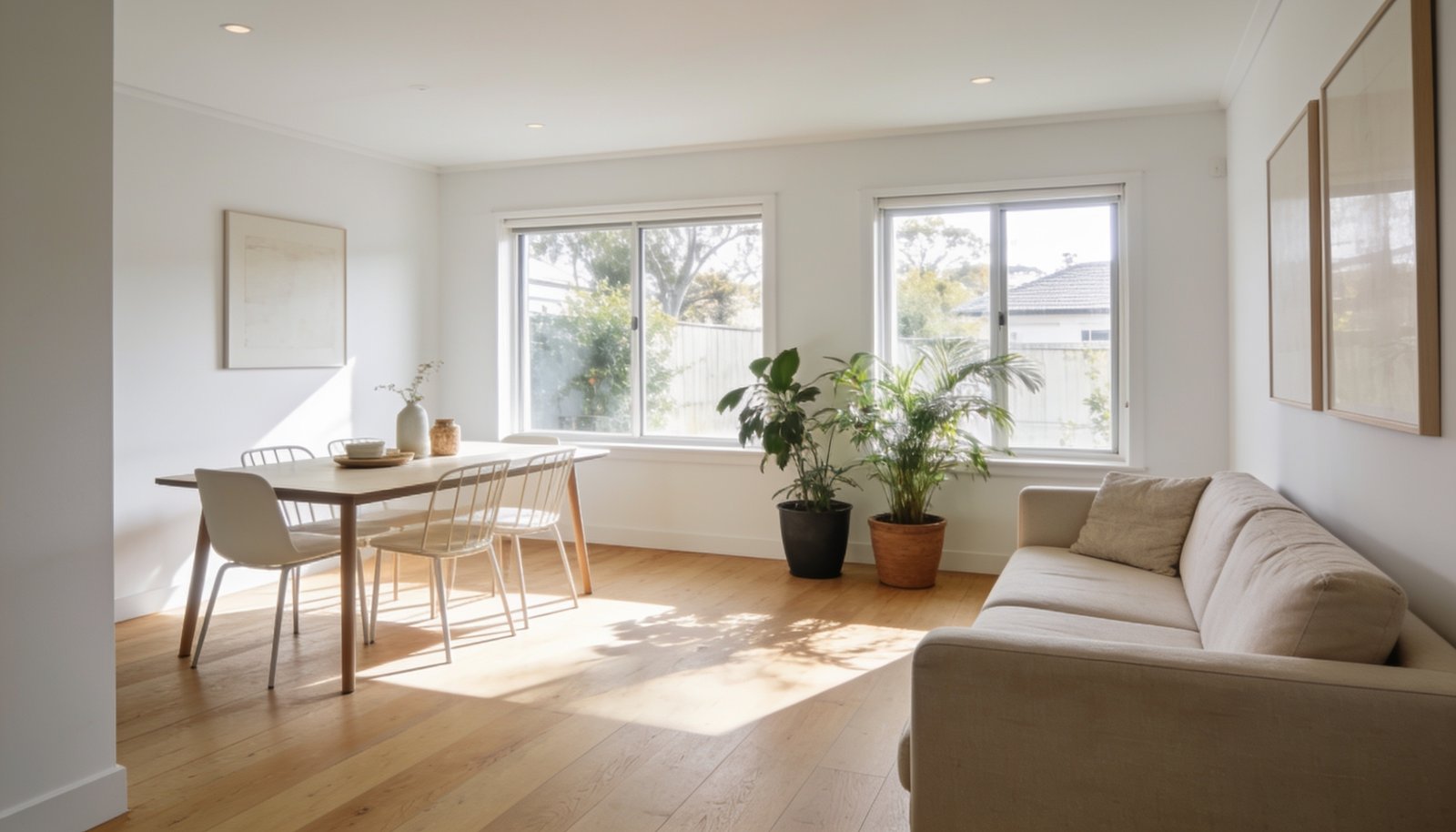
Choosing whether to hire a professional stager or to style your home yourself can feel like a big decision. The right choice depends on your budget, time and how much you enjoy decorating. This guide will walk through the practical steps for both options.
Assessing Your Space
Start by walking through each room and noting what works and what feels off. Pay attention to the flow of light, the balance of furniture and how each area could be used by potential buyers. Consider whether a single room needs a complete makeover or just a touch of fresh paint and new accessories.
A clear picture of the strengths and weaknesses of your home will help you decide if a professional can add value or if a DIY approach will suffice. Keep a simple list of changes you think are necessary, such as decluttering, repainting or replacing worn fixtures. This list will guide your next steps.
Decluttering and Deep Cleaning
Remove excess items from every room, focusing on personal photographs and collections that can distract buyers. Store or donate items that no longer fit the neutral aesthetic you aim for. A tidy space allows buyers to imagine their own belongings inside.
Give each surface a thorough wipe down, polish mirrors and clean windows to let light in. A sparkling kitchen and bathroom create a lasting impression of care and maintenance. Keep the garden neat and trim overgrown plants to enhance curb appeal.
- Remove personal items.
- Deep clean surfaces.
- Tidy the garden.
Colour and Texture Choices
Select a calm palette for walls and furnishings, opting for light tones that open up rooms. Add subtle contrasts through cushions, rugs or artwork to give visual interest without overpowering the space. Use natural textures like wood or linen to create warmth and familiarity.
Avoid bold, saturated hues that can feel polarising. Stick to neutral or muted shades that appeal to a broad audience. Layering different textures can make the home feel inviting and lived-in, yet polished.
Furniture Arrangement
Arrange furniture to showcase the room’s purpose and maximise space. Place larger pieces against walls to create open pathways, and position seating to encourage conversation. Avoid overcrowding rooms; leave enough room for movement.
Consider borrowing or renting furniture that fits the style you want to portray. This can be cheaper than buying new pieces and allows flexibility if you need to change the layout. Keep the layout simple so buyers can visualise their own furniture.
- Place large pieces against walls.
- Create open pathways.
- Use borrowed furniture.
Professional Staging vs DIY
A professional stager brings experience in lighting, styling and market trends that can elevate a home’s appeal. They often have access to furniture and décor that can be staged temporarily at a lower cost than buying new items. Hiring a stager can also save you time and reduce the physical effort required.
If you prefer a DIY route, focus on the fundamentals: declutter, repaint, arrange furniture, and add simple accessories. Use items you already own or can borrow to keep costs low. DIY staging allows you to personalise the space and may feel more authentic to potential buyers.
- Professional brings experience.
- Access to staging furniture.
- DIY saves time.
Timing and Practicalities
Plan the staging process so it aligns with your selling schedule. Begin decluttering and cleaning early, then move to painting and furniture arrangement closer to showings. This sequence ensures the home looks fresh when buyers arrive.
If you choose a professional, coordinate their arrival with your availability to avoid conflicts. Ensure any electrical or plumbing adjustments are handled by licensed tradespeople before the stager begins work. Keep the staging area clear of personal items and paperwork to avoid distractions.
- Start with decluttering.
- Coordinate with professionals.
- Keep staging area clear.
Final Touches and Maintenance
Before listing, add subtle touches such as fresh flowers, a pleasant scent, and well-placed lighting to create a welcoming atmosphere. Make sure all lights are working and any loose fixtures are secured. A tidy, well-lit home will leave a lasting impression.
During the selling period, keep the home consistently clean and organised. Replenish any used items such as fresh fruit or flowers, and maintain a neutral scent throughout the day. A steady upkeep signals that the home has been cared for and is ready for new occupants.
Staging, whether professional or DIY, is about presenting your home in its best light and making it easy for buyers to see themselves living there. With careful planning, attention to detail and a calm approach, you can create a space that feels inviting and ready for its next chapter.
Join The Discussion