
 by
by 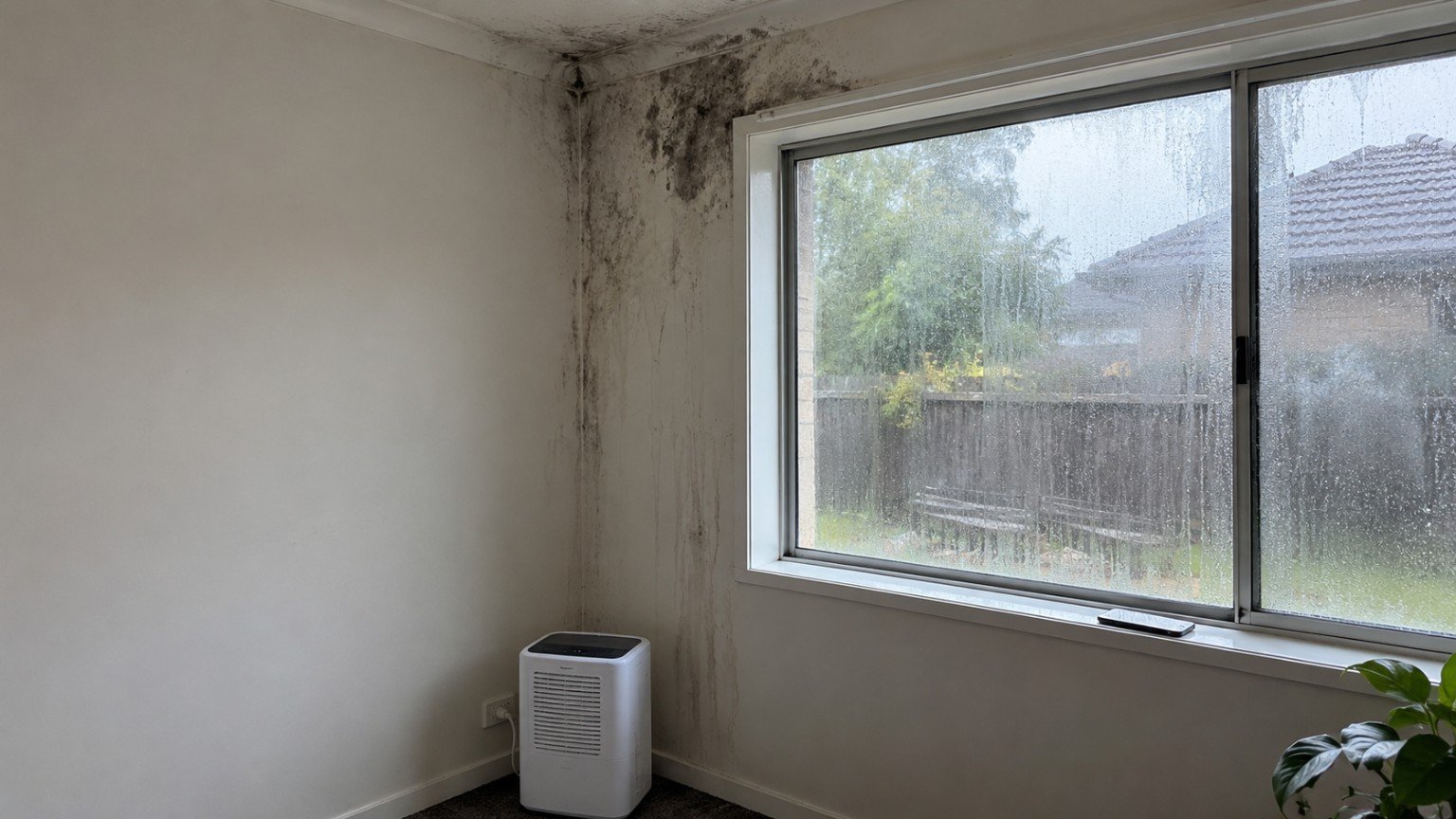
Finding mould creeping along a bathroom ceiling, or living with a maintenance issue that never quite gets fixed, is one of the more stressful parts of renting. It raises an obvious question: whose responsibility is it, and what can you actually do if nothing happens after you report it? The general principle is similar across Australia, but the specific rules, timeframes and processes vary by state and territory, so this is a starting point rather than a substitute for checking your own state’s tenancy authority.
The general principle across Australia
In most states and territories, a landlord is required to maintain a rental property in a reasonable state of repair, and to address issues that affect the property’s habitability or the tenant’s health and safety within a reasonable timeframe. This generally covers structural issues, plumbing, and problems like significant mould caused by a building defect (a leaking roof, poor ventilation, rising damp) rather than mould caused by everyday condensation from daily living, like showering without ventilation.
Because the exact wording, timeframes for repairs, and enforcement processes differ from state to state, the safest approach is always to check the current rules with your own state or territory’s residential tenancies authority rather than relying on a general rule that might not apply where you live.
Is it a maintenance issue, or a cleaning issue?
This distinction matters, because it affects who’s responsible. Mould that keeps returning despite normal cleaning and ventilation, especially around windows, in a particular corner, or following a leak, is more likely a maintenance issue worth reporting formally. Mould that’s minor, occasional, and linked to obvious causes like a bathroom without an exhaust fan being used without opening a window afterwards, is more likely something ordinary cleaning and better ventilation habits can manage. If you’re unsure which you’re dealing with, our guide to mould, humidity and ventilation at home walks through how to tell the difference and when it points to a genuine building problem.
Steps to take if you notice a maintenance issue or mould
- Document it. Take clear photos or video with a visible date, and note when you first noticed the issue.
- Report it in writing. Email or use your property manager’s official maintenance request system rather than only mentioning it verbally, so there’s a record.
- Be specific. Describe the location, how long it’s been happening, and any suspected cause, like a leak or condensation.
- Keep a paper trail. Save all correspondence, including dates of any follow-up you send if the issue isn’t addressed.
- Know your state’s timeframes. Most tenancy authorities define what counts as an “urgent” repair (like a burst pipe or no working toilet) versus a general repair, with different expected response times for each.
What if the landlord or property manager doesn’t act?
If a reasonable amount of time has passed with no response or action, most states provide a formal process for tenants, which can include lodging a complaint with the state’s residential tenancies authority, applying to a tribunal for a repair order, or in some circumstances arranging urgent repairs yourself up to a set cost limit and seeking reimbursement. These processes, limits and eligibility rules differ significantly by state, so it’s worth going directly to your own tenancy authority’s website or phone line rather than assuming a rule from another state applies to you.
Where to check your state’s specific rules
Each state and territory has its own residential tenancies authority that publishes current, plain-English guidance on repairs and maintenance, including Queensland’s Residential Tenancies Authority, NSW Fair Trading, Consumer Affairs Victoria, and equivalent bodies in other states and territories. Searching “[your state] tenancy authority repairs and maintenance” is a reliable way to find the current, correct guidance for where you live, since rules and contact details do change from time to time.
A practical note
Raising a maintenance issue doesn’t need to be adversarial. Most landlords and property managers want the property maintained properly too, and a clear, documented, written request is usually the fastest way to get a genuine issue addressed, and is also the strongest record to have if the situation doesn’t resolve and you need to take it further.



Join The Discussion