
 by
by 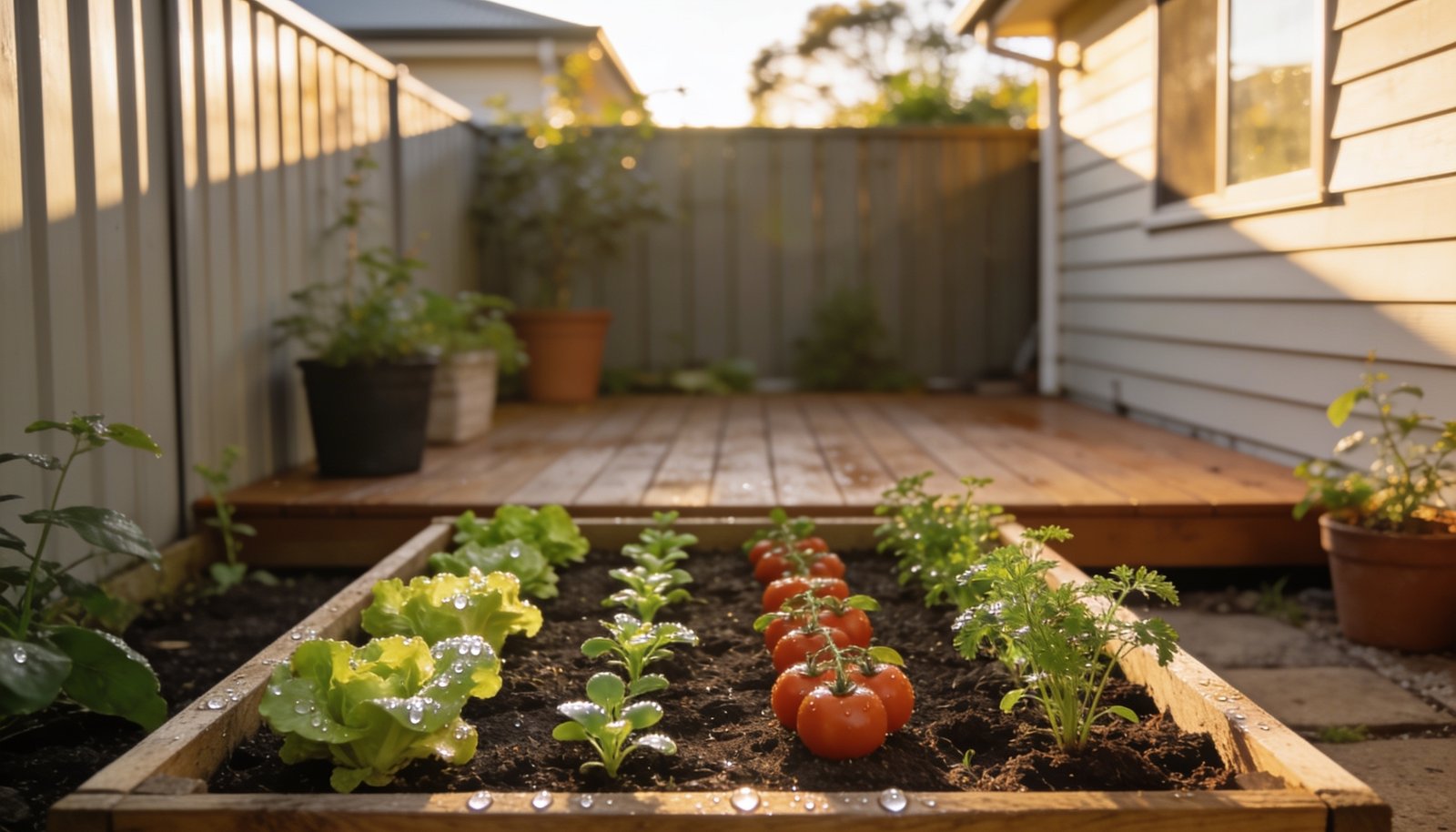
A shaded courtyard offers a quiet retreat from the harsh midday sun. Choosing the right plants and layout can turn the space into a cosy, low-maintenance oasis. The following guide highlights hardy choices and practical design tips for such an area.
Choosing Shade-Tolerant Plants
Shade-tolerant species thrive where light is filtered by surrounding walls or trees. They often need less water and fertiliser, making them ideal for a low-maintenance courtyard. Planting a mix of foliage and small flowering varieties adds texture and colour.
Selecting plants with broad, soft leaves reduces glare and keeps the area cooler. Sticking to native or well-adapted species ensures resilience to local pests and weather. A layered planting scheme, with taller shrubs at the back and smaller herbs in front, creates visual depth.
Use ferns and hostas for their lush foliage and quiet presence. Add ornamental grasses that sway softly in the breeze. Incorporate shade-tolerant flowering plants such as astilbe or primrose. Include ground cover like creeping thyme or sedum to keep weeds at bay.
Creating a Ground Cover Foundation
A solid ground cover reduces the need for frequent mowing and helps retain soil moisture. It also provides a soft surface for barefoot walks and children’s play. Choosing species that spread slowly prevents them from overtaking taller plants.
Ground covers that tolerate partial shade work well under trees and along walls. They can be planted in beds or allowed to spread across the courtyard floor. Regular trimming keeps the area tidy and encourages healthy growth.
Select low-lying sedum for its drought tolerance and attractive blooms. Use creeping thyme for its fragrant leaves and hardy nature. Plant moss in shaded crevices to create a natural carpet effect. Add a layer of mulch to suppress weeds and retain moisture.
Incorporating Seating and Pathways
Comfortable seating invites relaxation and makes the courtyard a usable space. Choosing weather-resistant materials ensures longevity without frequent repairs. Position seating to face the most pleasant view or a focal plant.
Pathways guide visitors through the space and add visual interest. Using natural stone or pavers with a soft finish keeps the area safe and easy to clean. Leaving gaps between stones allows water to drain and prevents puddling.
Install a small bench beneath a shady tree for quiet afternoons. Lay a winding path of rounded stones to create a sense of journey. Add a raised platform for a small table and chairs. Use a subtle border of low hedges to define the seating area.
Water Management and Drainage
Good drainage prevents waterlogging and protects plant roots. A slight slope away from structures allows rainwater to flow naturally. Collecting excess water in a shallow basin can create a decorative feature.
Avoid standing water by ensuring the soil has adequate aeration. Using a mix of sand and compost improves drainage without compromising moisture retention.
Create a shallow basin at the lowest point to catch rainwater. Install a drip irrigation system with a timer for efficient watering. Use permeable paving to allow water to seep through. Add a mulch layer to minimise surface runoff.
Lighting for Evening Ambience
Soft lighting extends the usability of the courtyard into the evening. Choosing low-energy fixtures reduces electricity consumption. Position lights to highlight key plants and pathways without causing glare.
String lights or small lanterns can be hung from existing branches or a pergola. Using solar panels for lighting is an easy installation that requires no wiring.
Hang string lights along the perimeter to create a gentle glow. Place lanterns on raised beds to spotlight individual plants. Use solar-powered pathway lights for safety and ambience. Add a small reflector to focus light on a favourite shrub.
Maintenance and Seasonal Care
Regular trimming keeps plants healthy and the courtyard tidy. Removing dead leaves and spent flowers encourages new growth.
Seasonal tasks include mulching, re-planting in dormant periods, and checking for pests.
Trim shrubs once a week during the growing season. Add fresh mulch every few months to retain moisture. Inspect plants for signs of pests and treat promptly. Rotate small pots to expose all sides to light.
A well-planned shaded courtyard can become a peaceful sanctuary that needs little fuss. With the right plants, paths, and lighting, it offers a welcoming space for rest and enjoyment.



Join The Discussion