
 by
by 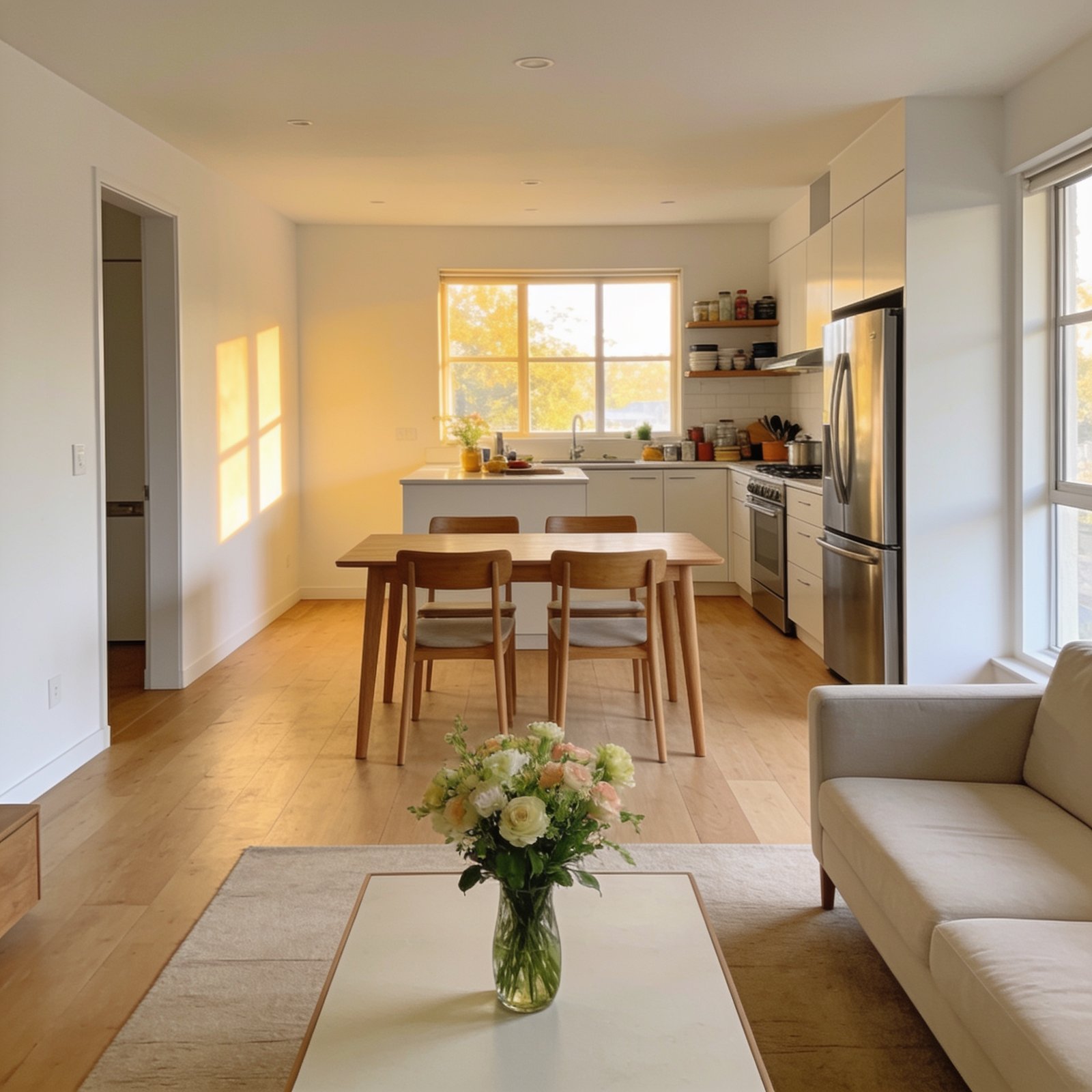
Attending open houses takes time and energy. Conducting thorough research on a digital listing before stepping foot inside a home helps narrow down options and highlight critical details that photo galleries might obscure. As an Australian property intelligence platform, Narevella emphasizes using available data, mandatory state disclosures, and spatial details to evaluate a home prior to an in-person visit.
Examine Mandatory Disclosures and Pricing Data
Listing regulations vary by state and territory across Australia. In Victoria, sellers and agents must provide a Statement of Information alongside property listings. This document outlines either a single price or a 10% price range, the median price for the suburb, and three comparable recent local sales. Reviewing these figures provides a baseline understanding of local market pricing context.
In the Australian Capital Territory, property listings are legally required to display an Energy Efficiency Rating (EER) statement. This rating spans from 0 to 6 stars and gives buyers insight into the property’s baseline thermal performance. Because statutory requirements differ across borders, always check which mandatory disclosures apply to the specific region you are researching.
Evaluate Floorplans and Solar Orientation
Floorplans offer an objective snapshot of a home’s internal dimensions, practical flow, and layout that photos cannot replicate. When reviewing a layout, examine how movement flows between bedrooms, bathrooms, and shared living areas.
Pay close attention to solar orientation. In southern Australian climates, north-facing living areas generally receive superior natural light and thermal efficiency throughout the year. Keep in mind that solar orientation benefits are not identical across all Australian climates, so regional weather conditions should inform how you evaluate natural light and heating needs.
Look Critically at Listing Photos and Visual Media
While photography highlights a home’s visual appeal, it can also alter spatial perception. Real estate photographers regularly use ultra-wide angle lenses, which can artificially inflate the perceived size of rooms and increase window brightness.
Careful observation of images can reveal subtle visual clues. Look closely for potential issues such as warped frames or visual signs of damp. If certain spaces are missing from the photo gallery, remember that a lack of photos does not definitively indicate structural defects, as image selection varies subjectively by property type. Similarly, tracking metrics like days on market can offer broader context, though the specific impact of days on market on final sale outcomes varies based on local market conditions.
Verify Ongoing Outgoings and Title Structures
A property listing should detail ownership frameworks and recurring outgoings. Buyers should verify title types, including Torrens or Freehold, Strata, Community, or Leasehold titles, as each carries distinct operational rules.
In addition to title information, review all ongoing costs listed on the property, such as body corporate or strata levies, council rates, and water rates. To supplement the listing details, buyers should use public mapping tools to check for environmental overlays, including flood and bushfire zones.
Next Steps and Seeking Professional Advice
Systematically checking mandatory disclosures, analyzing floorplans, examining photographs, verifying outgoings, and cross-referencing environmental overlays creates a solid foundation before inspecting a home.
While digital research provides valuable preliminary insights, it is not a substitute for qualified expertise. Buyers should seek professional and licensed advice for formal property valuation, legal contract review, or structural building inspections before making binding financial commitments.



Join The Discussion