
 by
by 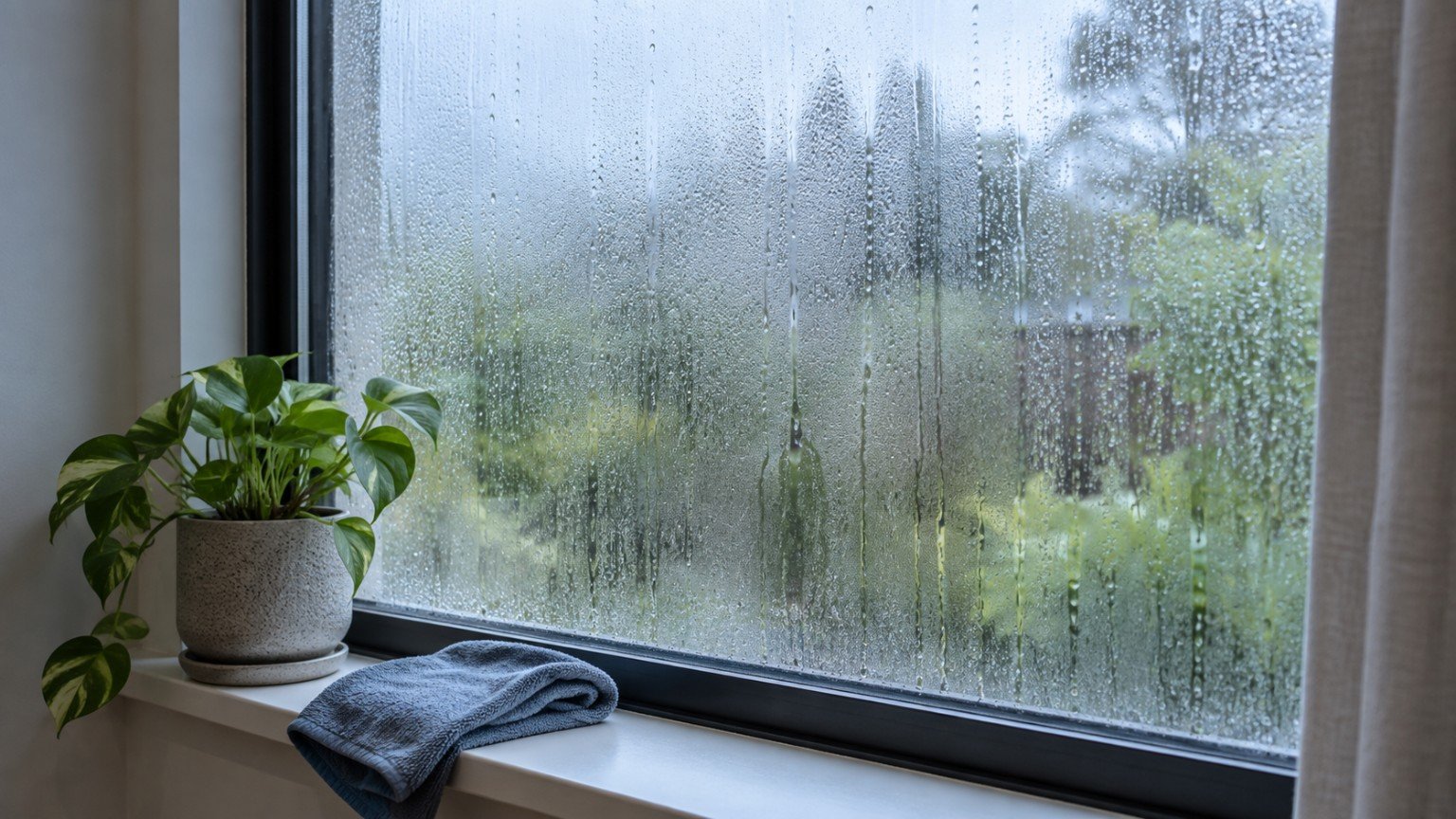
Waking up to fogged, dripping windows is one of the most common winter complaints in Australian homes, especially in cooler southern states and anywhere a home is closed up tight against the cold. Condensation itself isn’t usually a sign of anything wrong with the building. It’s simply warm, moist indoor air meeting cold glass. The good news is that it’s also one of the more manageable household problems to reduce.
Why windows fog up in winter
Air holds moisture, and warmer air holds more of it than cold air. When that moist indoor air touches a cold surface like a window pane, it cools rapidly and the moisture condenses back into visible water droplets. Everyday household activities, cooking, showering, drying clothes indoors, even breathing overnight in a closed bedroom, all add moisture to the air, and single-glazed windows in particular have very little insulation to keep the glass surface warm.
Quick daily habits that reduce condensation
- Wipe down window sills and glass each morning if condensation has formed overnight, rather than letting it sit and potentially encourage mould on the frame or sill.
- Open curtains or blinds during the day to let air circulate near the glass and allow any residual moisture to dry out.
- Avoid drying clothes on indoor racks where possible, especially in smaller or poorly ventilated rooms, since this adds a significant amount of moisture into the air.
- Keep lids on pots while cooking, and use the rangehood or an open window while cooking or boiling water.
Ventilation fixes that make the biggest difference
Extractor fans and range hoods
Run the bathroom exhaust fan during and for a while after every shower, and the kitchen rangehood while cooking. These are specifically designed to pull moist air outside before it spreads through the rest of the home, and they’re one of the most effective tools available for reducing condensation at the source.
Airing out the house
Even in winter, opening windows for ten to fifteen minutes a day, ideally around the warmest part of the day, helps swap humid indoor air for drier outdoor air. It feels counterintuitive when you’re trying to keep a home warm, but a short burst of ventilation loses far less heat than the ongoing dampness and mould risk that comes from a permanently sealed-up house.
Products and small changes that help
- A moisture absorber or dehumidifier in a particularly damp room, such as a bathroom without a window or a bedroom that regularly fogs up overnight.
- Thicker curtains or thermal blinds can reduce the temperature difference at the glass surface, though they should still be opened during the day to allow airflow rather than trapping moisture against the window.
- Draught stoppers on doors and windows help keep warmth in without stopping the deliberate airing-out described above.
When condensation points to a bigger problem
Occasional condensation on cold mornings is normal in most Australian homes over winter. It becomes worth a closer look when it’s constant, appearing on internal walls rather than just glass, or accompanied by a musty smell or visible mould growth on frames, ceilings or in corners. Persistent moisture like that can point to inadequate ventilation for the size of the household, a bathroom exhaust fan that isn’t venting outside properly, or in some cases a building issue such as a leak or rising damp that cleaning alone won’t fix.
If you’re renting, it’s worth raising ongoing condensation or mould with your property manager, since ventilation issues are sometimes something the landlord is responsible for addressing. For a deeper look at diagnosing whether a moisture problem is a simple ventilation fix or something that needs a professional opinion, it’s worth reading a dedicated guide on mould, humidity and ventilation in the home.
For most households, though, condensation on windows is a manageable, everyday winter issue. A combination of better ventilation habits and a quick wipe-down on the coldest mornings is usually all it takes to keep it under control.


Join The Discussion