
 by
by 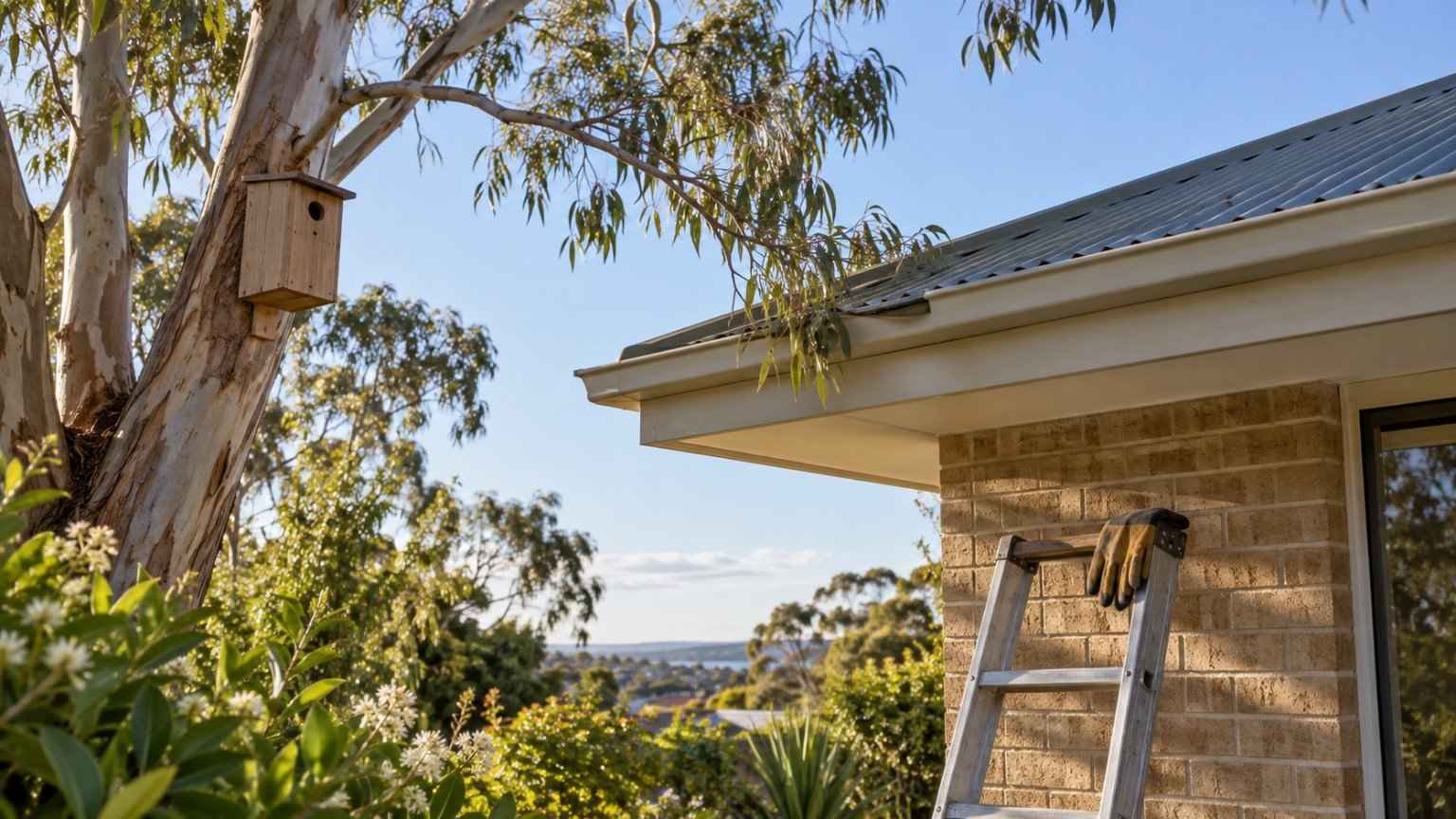
A possum taking up residence in the roof cavity is a common experience for Australian homeowners, particularly in established suburbs with mature trees nearby. Before doing anything else, it’s worth knowing that possums are protected native wildlife in every state and territory, which changes what you’re legally allowed to do about one living above your ceiling.
Signs you have a possum in the roof
Possums are nocturnal, so the clearest sign is usually noise overnight: scratching, thumping or scampering sounds, particularly around dusk when they wake up and dawn when they settle back in. Other signs include a strong, musky smell, staining on the ceiling from urine, and droppings around roof access points or in the garden below common entry spots like overhanging branches or roof valleys.
Why possums move into roof spaces
A roof cavity offers a possum many of the same qualities as a natural tree hollow: it’s dark, dry, insulated and safe from predators. As urban tree hollows become scarcer, roof spaces have become an increasingly common substitute, especially in homes with gaps around the roofline, broken tiles, or branches overhanging close to the roof.
Possums are a protected species, and what that means for you
Under wildlife protection laws in every Australian state and territory, possums cannot be trapped, harmed, killed or relocated without a permit or licence. Rules and permit requirements differ between states, so it’s worth checking your own state or territory environment department’s current guidance before taking any action. In practice, this means the legal way to deal with a possum in the roof is exclusion once it has left the roof space, carried out by, or in line with guidance from, a licensed possum or wildlife controller, rather than trapping or removing it yourself.
What you can safely do
Wait for it to leave, then exclude it
Possums typically leave the roof at night to forage. The safest general approach is to confirm the possum has left for the evening, then seal the entry point once you’re sure it’s out, so it can’t get back in. This should only be done once you’re confident the possum, and any young it may be carrying, are not still inside, which is exactly the kind of judgement call a licensed controller is trained to make.
Deterrents while it’s still using the space
Some households have success with strong-smelling deterrents like eucalyptus oil, mothballs placed away from where children or pets can reach them, or a bright light left on in the roof space, since possums generally prefer dark, quiet areas. These can encourage a possum to relocate on its own before you attempt to seal any entry point, though results vary and they’re not a guaranteed fix.
Calling a licensed possum or wildlife controller
If a possum has established itself in your roof, particularly if you suspect it has young with it, the most reliable and legally compliant option is to engage a licensed possum or wildlife controller. They can confirm whether the possum has dependent young, carry out humane exclusion at the right time, and in some states can arrange for a nest box to be installed nearby as an alternative shelter, since possums that are excluded still need somewhere to go. Many state wildlife authorities and councils maintain lists of licensed controllers, so this is often the quickest way to find someone qualified.
Preventing possums from returning
Once a possum has been safely excluded, check the roofline for other potential entry points, such as gaps around eaves, broken roof tiles or vents without mesh covers, and seal these too. Trimming back branches that overhang the roof reduces easy access from nearby trees. If you’d like to support local wildlife without hosting it in your roof, installing a possum nest box in a tree away from the house gives displaced possums somewhere else to settle.
Dealing with a possum in the roof takes a little more patience than a typical pest problem, mainly because the right approach is about safe, legal exclusion rather than removal. Involving a licensed wildlife controller takes the guesswork out of timing it correctly and keeps you on the right side of wildlife protection rules in your state.
Join The Discussion