
 by
by 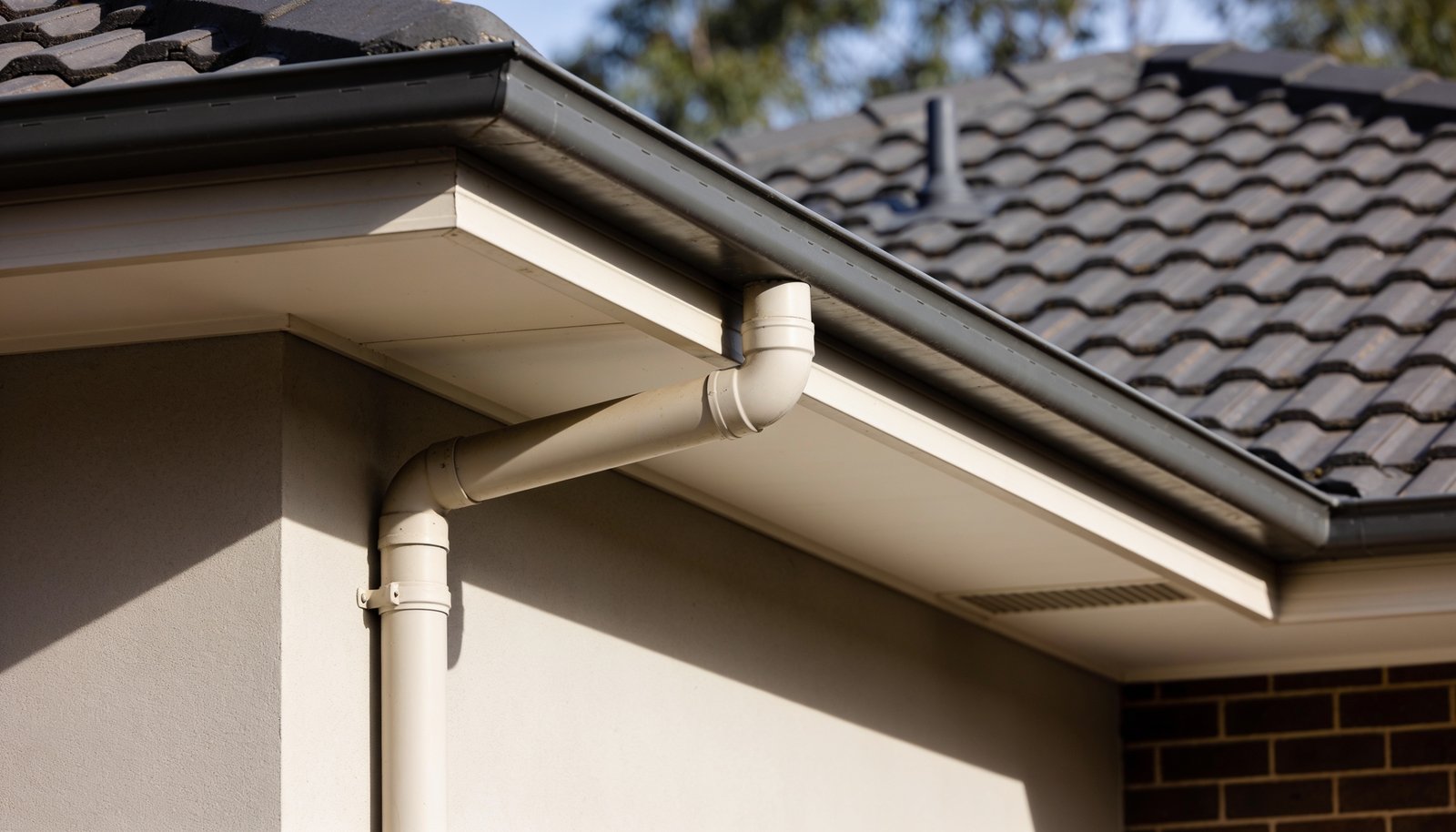
Possums frequently take up residence in residential roof spaces across Australia. While these nocturnal creatures are a natural part of the suburban ecosystem, having them inside a ceiling cavity can create noise and structural disturbance. Resolving a possum presence requires a structured, lawful, and humane approach.
Understanding Legal Protections
Possums are protected under state and territory wildlife legislation throughout Australia. Because possums are protected native wildlife under environmental protection laws in all Australian states and territories, householders cannot simply remove them at will or use lethal force. It is illegal to kill, harm, or relocate possums away from their home territory. Releasing a possum into a distant park or bushland reserve is against the law.
If a possum is trapped, regulations stipulate that it must be released on the same property within a short distance of the capture site. Depending on state regulations, this distance is often 50 metres or less. Specific distance requirements for release can vary between jurisdictions, with some state rules requiring release within 25 metres. Householders should check local regulations for exact distance constraints.
Providing Alternative Shelter First
Before taking action to block roof access, you must provide alternative shelter for the animal. Possums rely on dark, secure hollows for sleeping during the day. Installing a dedicated possum nesting box gives the displaced animal an immediate alternative home when it leaves the roof space.
Mount the nesting box in a nearby tree on the property. To ensure the box remains safe from ground predators and provides appropriate shelter, place it at least 3 to 4 metres off the ground. Securing this alternative housing is a required step before any entry points on the dwelling are permanently sealed.
Identifying Roof Entry Points
To keep possums out of a house, you must first determine how they are entering the building. Possums can squeeze through surprisingly small openings in the building envelope.
Inspect the exterior of the house thoroughly for physical indicators. Access points can be identified by looking for fur grease marks around gaps, urine stains along walls or timber, or loose debris resting near openings in the roof, eaves, or fascia boards. Paying close attention to these signs will highlight the exact pathways that need attention.
Methods to Vacate the Roof Cavity
Humane eviction focuses on making the roof cavity unattractive for daytime resting or providing a clear exit path. One common approach involves altering the environment inside the roof space using light and sound to discourage daytime sleeping. Because possums are nocturnal and prefer dark, quiet spaces, artificial light and persistent noise during the day can prompt them to seek shelter elsewhere.
Another approach involves installing one-way doors over identified entry points, allowing the possum to leave the roof space at night while preventing re-entry. The effectiveness of one-way doors versus light and sound methods may vary depending on the individual possum’s behavior. In some cases, a combination of clear exit pathways and environmental deterrents works best.
Managing Vegetation and Tree Access
Possums are skilled climbers and often use surrounding vegetation to gain access to guttering and rooflines. Pruning nearby trees removes the primary bridges possums use to reach the home.
Tree branches should be pruned back by at least 1.5 to 2 metres from the roofline and gutters. Maintaining this gap prevents possums from jumping from limbs onto the roof surface or overhanging eaves.
Sealing Entry Points Safely
Householders must confirm that the roof is empty before permanently sealing entry points to avoid trapping animals inside. Trapping a possum inside a ceiling cavity leads to animal suffering and can create severe odor and damage issues within the home.
Conduct checks at night after the possum has left to forage, or verify that the nest area inside the cavity is clear before fixing durable materials over all gaps, eaves, and fascia openings.
Safety Considerations and Professional Assistance
Inspecting roofs and sealing exterior gaps often involves elevated work. Householders working at height on ladders or roofs must adhere to safe working practices at all times to prevent falls and injury.
If non-invasive techniques fail to vacate the possum or permanently resolve the entry issue, you must contact a licensed wildlife control operator or the relevant state department. Licensed operators possess the training and legal authorization to manage persistent wildlife issues in compliance with statutory rules.
Join The Discussion