
 by
by 
Household pest activity isn’t random through the year. It follows the seasons: warmth and rain bring some pests out to breed, cooler weather sends others looking for shelter indoors, and dry spells change what’s foraging in the garden. Knowing roughly what to expect each season means you can stay a step ahead with prevention rather than reacting once a problem is already established.
This is a general, Australia-wide overview. Exact timing shifts with your local climate (a Darwin wet season and a Hobart winter don’t run on the same calendar), so treat the seasons below as a guide rather than a fixed date range, and check the linked articles for specific identification and safe management steps.
Spring: the busiest season for household pests
As temperatures rise and rain becomes more frequent, spring is typically the most active pest season across most of the country. Warming soil and new growth wake up insects that have been dormant over winter, and many species use spring to breed and expand their range.
- Spiders become far more visible as males wander in search of mates and juvenile spiders disperse. This is the season most households notice a genuine jump in spider sightings both outside and around entry points.
- Ants ramp up foraging as colonies expand with the warmer weather, and kitchens with easy food access are the main target.
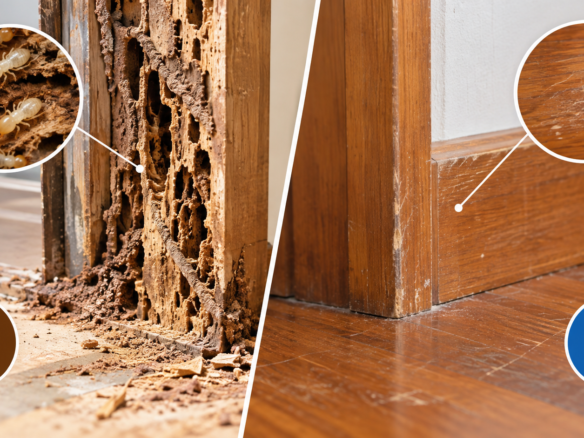
- Termites often have a spring swarming period in many regions, when winged reproductives leave the nest to establish new colonies, making it a sensible time to check for warning signs.
- Garden pests such as aphids and mites appear on new plant growth as the garden comes back to life.
Spring is generally the best time to do a whole-property pest-proofing pass: sealing obvious gaps, clearing debris away from the house, and booking a professional inspection if you haven’t had one recently.
Summer: heat-driven pests and outdoor pressure
Summer brings a different mix, driven more by heat and outdoor activity than by breeding cycles alone.
- Flies increase noticeably with warm weather and more time spent outdoors or with doors left open.
- Mosquitoes peak in most regions over summer, particularly after rain leaves standing water for them to breed in.
- Wasps are most active and their nests largest by late summer, which is when stings are most commonly reported.
- Cockroaches are drawn indoors by air conditioning and reliable food and water sources, especially in humid coastal regions.
This is also the season households most often notice possums becoming a nuisance around roof cavities, as they seek cooler, sheltered spots during hot days.
Autumn: the shift indoors begins
As temperatures start to drop, many pests that have spent the warmer months outside begin looking for shelter, and that often means your house.
- Rodents frequently move toward roof spaces and subfloors as outdoor food sources become scarcer and shelter needs increase.
- Spiders often move indoors seeking warmth as nights cool, even though outdoor sightings taper off.
- Cockroaches continue seeking indoor warmth and moisture, particularly around kitchens and bathrooms.
Autumn is a sensible time to check roof and subfloor access points, clear gutters before winter rain, and make sure any gaps around eaves, vents or pipe penetrations are properly sealed before the weather turns.
Winter: quieter outdoors, but not pest-free
Pest activity generally slows over winter, particularly for insects that need warmth to be active. That doesn’t mean the house is pest-free, though.
- Rodents already sheltering indoors from autumn often stay put through winter, drawn to warmth and stored food.
- Pantry moths and weevils can remain active year-round indoors since they aren’t affected by outdoor temperature the way garden and structural pests are.
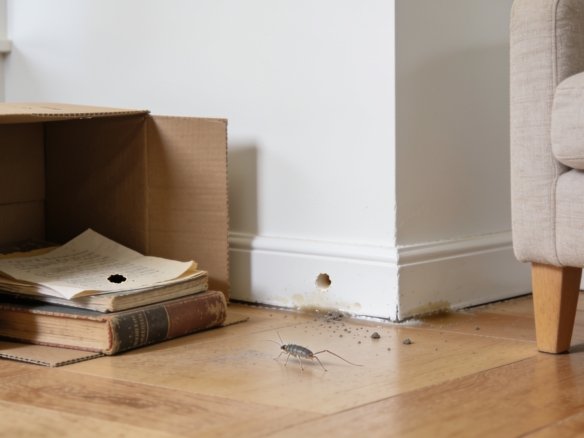
- Silverfish tend to persist in damp, undisturbed indoor spots such as bathrooms and bookshelves regardless of season.
Winter is a good, low-pressure time to do the maintenance jobs that are harder to prioritise during a busier pest season: checking for gaps, addressing any damp areas, and getting ahead of spring before the seasonal surge begins again.
Building this into your regular home maintenance routine
The pattern that holds across all four seasons is that pests follow moisture, food access and shelter, not the calendar date itself. A property that stays on top of leaks, food storage and obvious entry points will generally have an easier time in every season than one that only addresses pests reactively.
For state and climate-zone specific detail, particularly for South East Queensland’s own seasonal maintenance rhythm, see our companion piece, A Seasonal Home Maintenance Calendar for South East Queensland.
When to call a professional
Seasonal awareness helps with prevention, but it isn’t a substitute for professional treatment where a genuine infestation is already established, particularly for termites, rodents or wasp nests in awkward locations. If you notice consistent activity rather than the odd one-off sighting, a licensed pest professional is the safest and most reliable next step.
Seasonal wildlife pressure can be extreme: see how a flying-fox influx overwhelmed a Mount Isa suburb and why residents had little recourse under protection rules.
Join The Discussion