
 by
by 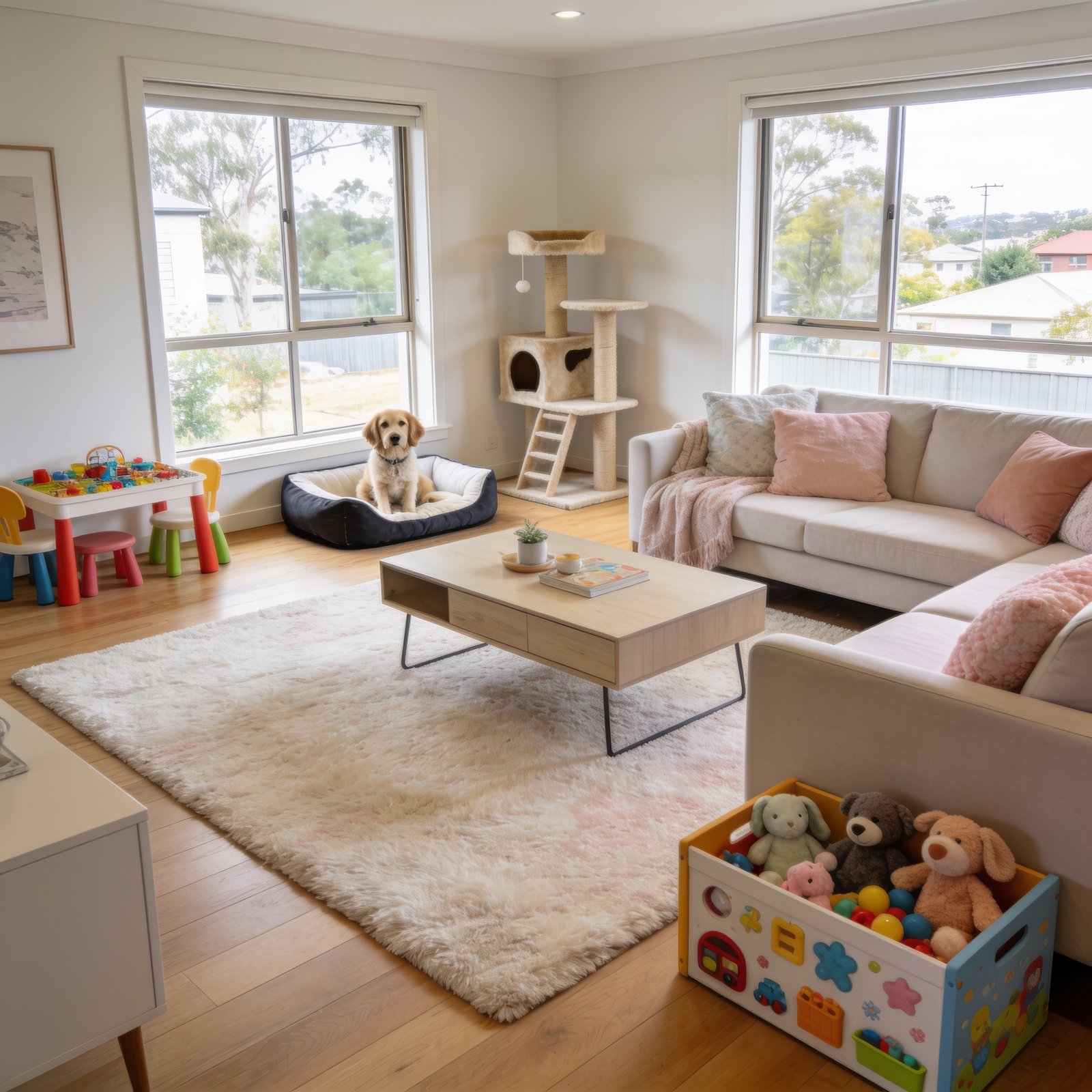
Structuring the Home Environment with Safety Boundaries
Introducing a new pet to a home with small children requires a safety-first, environment-based approach to integration. Adults hold the primary responsibility for managing shared household spaces to maintain safety for both children and animals. Rather than relying on assumptions about how an animal will react to a busy home, establishing clear physical boundaries creates a controlled and predictable living environment.
A central step in managing the physical environment is creating distinct zones within the home. Households should establish pet-free child areas alongside child-free pet safe retreat zones. Safe retreat zones provide animals with a dedicated space to escape child interaction whenever they require quiet, rest, or distance. Allowing a pet to retreat undisturbed prevents stress and lowers the likelihood of defensive reactions.
Health Assessments and Zoonotic Disease Hygiene
Prior to introducing a new pet to family members, completing comprehensive health checks and proactive parasite control is essential. Routine health assessments by a professional ensure that the animal is in good physical health before entering the home environment.
In addition to pre-introduction veterinary care, consistent hygiene practices are necessary to prevent zoonotic disease transmission. Children and adults must maintain proper hygiene around pets, including handwashing after direct contact or handling pet equipment. Keeping pet feeding and waste areas separate from child play zones further supports family health and safety.
Maintaining Active Adult Supervision
Active adult supervision is required at all times when children and pets are together in the same space. Supervision must never be intermittent, as interactions between young children and animals require continuous attention. Adults must be physically present, actively observing body language, and ready to step in immediately to guide safe interactions.
Teaching Children Body Language and Engagement Cues
Educating children on how to interact safely with animals is a core part of household integration. Children should be taught to recognize animal body language cues so they can identify when an animal needs space or is feeling uncomfortable.
Parents should teach children specific, safe engagement techniques such as the “be a tree” method. This technique instructs a child to stand still, fold their arms, and remain calm to avoid unwanted interaction if an animal becomes overly excited or approaches unexpectedly. Teaching these practical cues helps children respond appropriately during daily interactions.
Behavioral Assessments and Veterinary Consultations
It is important to recognize that the specific behavioral temperament of an individual animal cannot be guaranteed without a professional veterinary or behaviorist assessment. Additionally, no specific breed of animal can be claimed to be child-safe without exception. When introducing rescue animals or any new pet into a home with children, prioritizing veterinary consults for thorough behavioral assessments provides essential guidance for safe integration.
Required Guidance and Disclosures
Readers should consult a qualified veterinarian regarding the specific health and behavioral needs of their new pet. Medical concerns regarding animal bites or potential zoonotic illnesses should be directed to a healthcare professional.


Join The Discussion