
 by
by 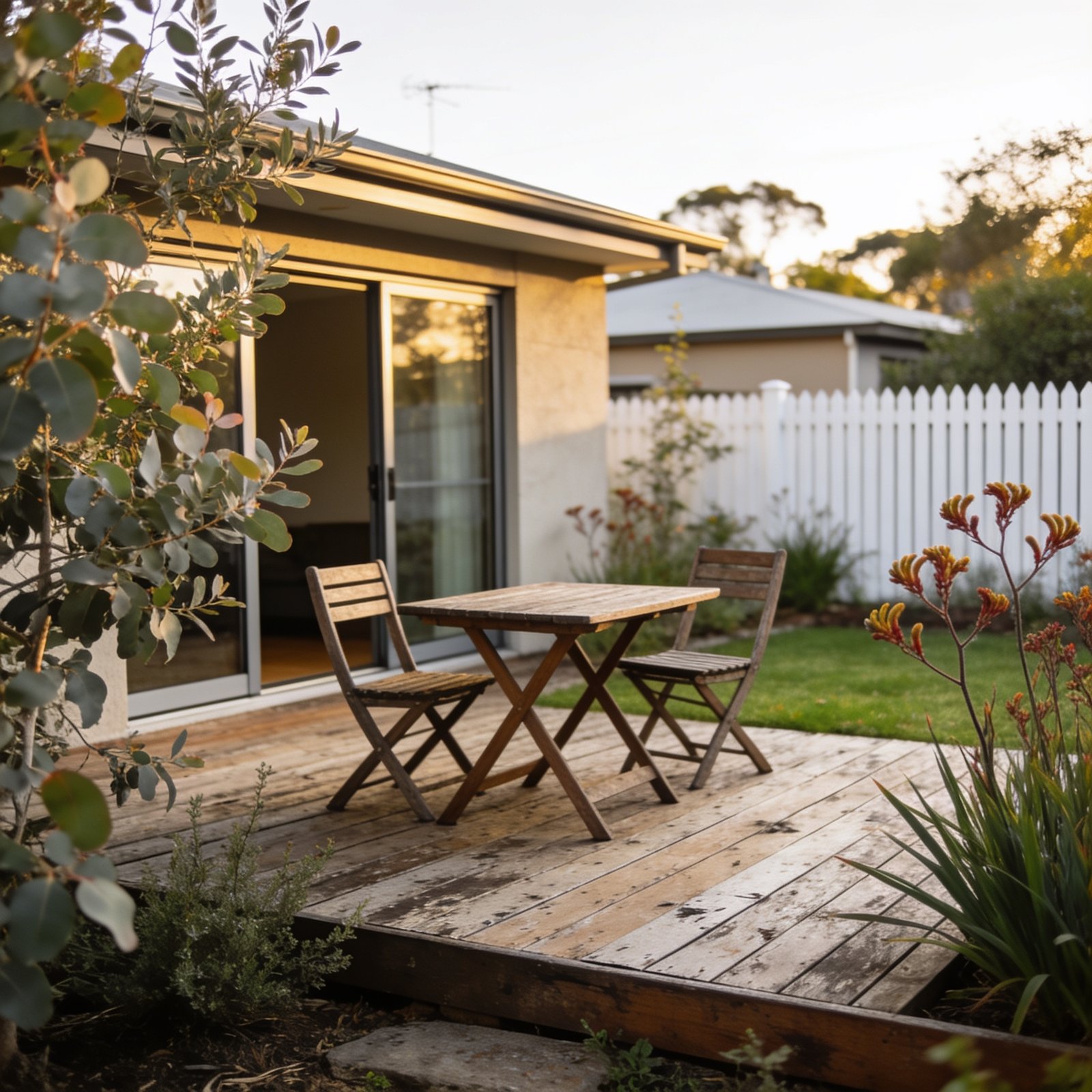
Australian Backyard Safety Checklist for Toddlers
Preparing an outdoor space for a toddler requires checking for hidden hazards. Young children move quickly between lawns, garden beds, and play equipment, making a routine safety walkthrough essential before outdoor playtime begins.
Water Safety and Pool Barriers
Drowning is a major risk for children under five. Standing water in containers like buckets, pet bowls, and kiddie pools poses drowning risks to children under five. Before children go outside, empty all collected water from buckets, pet bowls, trays, and small play pools, and store empty containers upside down.
If your yard includes a pool or spa, safety barriers are strictly regulated. Per AS 1926.1, pool and spa gates must self-close and self-latch from any position. Latches must be installed at least 1500mm high, and no climbable objects are permitted within 900mm of the fence line. Pool safety barrier compliance is a regulated requirement; consult local professionals or council regulations regarding specific installation standards. Do not attempt pool compliance as a simple DIY task.
Perimeter Fencing and Gates
Boundary fences keep toddlers contained and out of potential danger. Inspect all boundary fences to confirm there are no gaps wider than 100mm. Gaps larger than 100mm can allow a toddler to slip through or become trapped. Check that perimeter gates latch securely so children cannot open them on their own.
Play Equipment and Heat Hazards
Play equipment should be inspected regularly for structural integrity and mechanical defects. Check slides, swing sets, and climbing frames for:
- Loose bolts or missing fasteners
- Rusty parts or weakened components
- Fraying ropes and worn connectors
- Wood splinters along timber structures
Verify that soft-fall surfacing is present under equipment to absorb impact from falls. Keep in mind that metal and plastic play surfaces can reach burning temperatures in the Australian sun. Always feel play equipment surfaces with your hand before allowing a toddler to play on them.
Toxic Plants and Wild Fungi
Identify and manage toxic plants and wild fungi in garden beds. Toxic backyard plants include:
- Oleander
- Angel’s Trumpet
- Dumb Cane
- Euphorbias
- Castor Oil plant
- Cycad seeds
Prune back or remove toxic plants where possible, and clear away wild fungi or mushrooms growing in lawn areas. If a child is exposed to a toxic plant or animal, seek immediate medical advice.
Pest Shelters and Chemical Storage
Piles of timber and green waste debris create shelters for pests, insects, and spiders. Clear away accumulated timber, garden rubbish, and leaf piles to reduce pest harbourage areas. Check outdoor furniture and play structures for spiders or insects before toddlers use them. For snake bites or spider stings, do not rely on home first aid claims; direct medical inquiries to Healthdirect or emergency services.
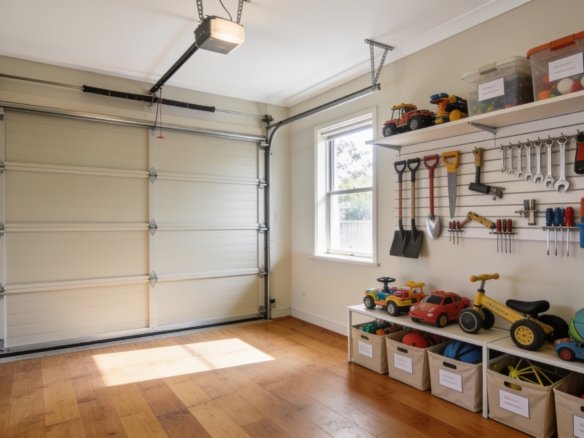
Store all hazardous lawn chemicals, fertilizers, pest treatments, and sharp tools in locked storage cabinets. Always consult the manufacturer’s product label for specific drying or ventilation times after applying lawn or garden treatments. Never assume a garden treatment is safe for a toddler after any specific time frame without following product label instructions.
Join The Discussion