
 by
by 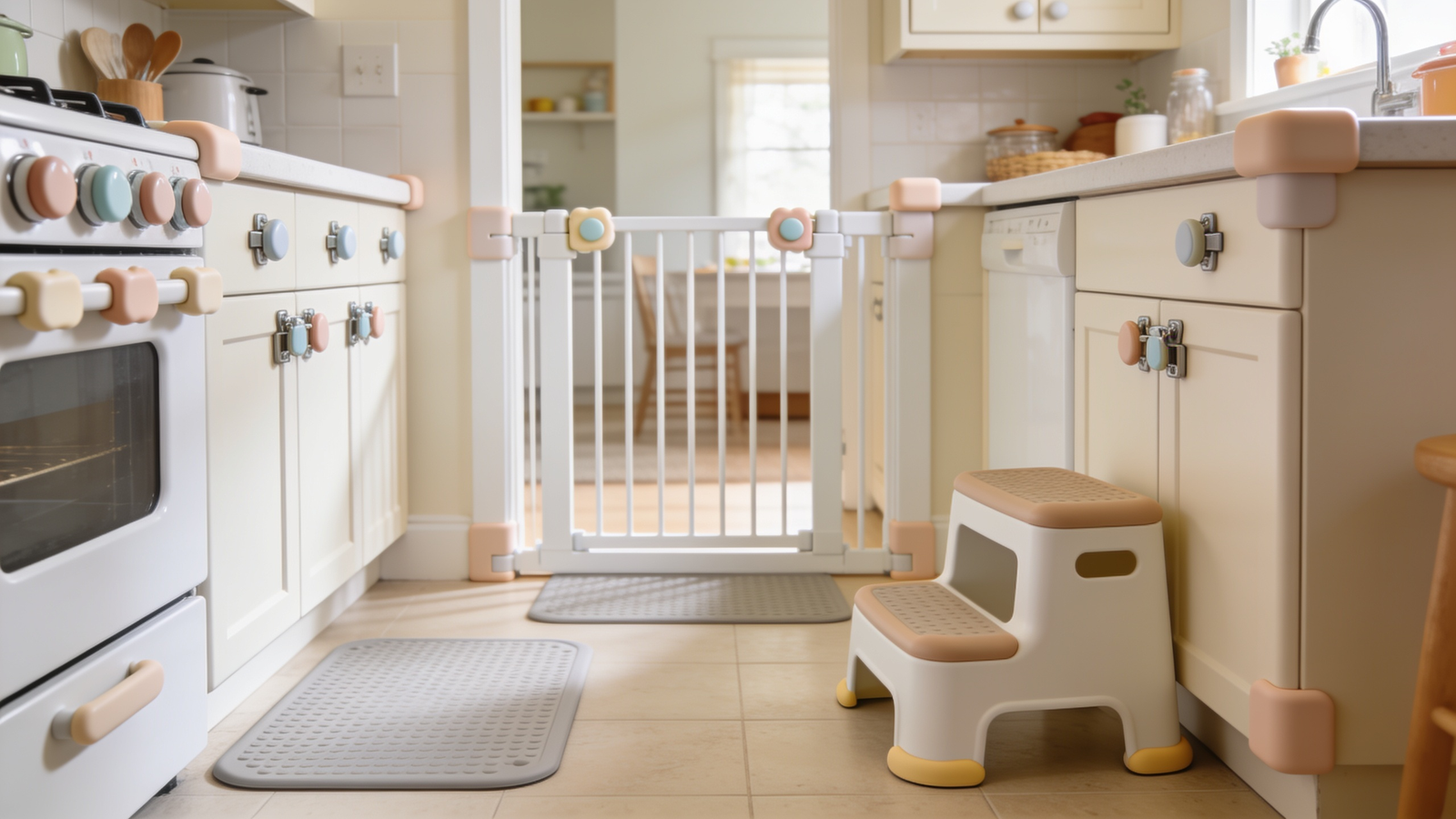
How to Childproof a Kitchen Without Sacrificing Usability
The kitchen is often the hub of the household, but for young children exploring their surroundings, it contains numerous hazards. Securing this space does not mean making it frustrating or inefficient for adult use. By adopting smart storage strategies, selecting low-profile hardware, and following Australian standards for home safety, you can create a practical cooking environment that protects young family members. It is important to note from the outset that childproofing measures do not replace active adult supervision.
Creating a Safe Zone in Lower Cabinets
Children naturally want to open lower cupboards and explore what is inside. Completely blocking access to every bottom cabinet can lead to constant frustration during meal preparation. The Safe Zone approach offers a balanced solution by intentionally managing what is stored at lower levels.
Under this approach, bottom cupboards are reserved exclusively for unbreakable items. You can dedicate these lower spaces to lightweight plastic containers, plastic measuring cups, and wooden spoons. Allowing children access to a designated safe cupboard satisfies their desire to explore without introducing dangerous items into their reach.
At the same time, all dangerous items must be relocated. Move sharp utensils, breakable glassware, heavy cookware, and cleaning products up to high or eye-level cupboards where children cannot reach them.
Choosing Low-Profile Locks and Latches
When securing cupboards that contain hazardous items or delicate kitchenware, hardware selection makes a significant difference in daily convenience. Bulky external plastic straps can hamper your workflow, visually clutter the cabinetry, and prove annoying when cooking under time pressure.
To maintain clean lines and ease of use, internal magnetic locks or soft-close safety latches serve as recommended alternatives. Internal magnetic locks remain hidden inside the cabinet doors and are disengaged using a magnetic key, while soft-close safety latches sit discreetly inside the frame. These low-profile hardware options protect contents while keeping the kitchen functional for adults. Remember that these locking products are designed to be child-resistant, meaning they create an effective barrier but should always be backed up by vigilant care.
Safe Cooking and Benchtop Management
Hot surfaces and electrical devices pose immediate risks in any active kitchen. Establishing consistent habits around stovetop cooking and small appliance storage minimizes the chance of accidental injury.
When using the cooktop, always cook on back burners whenever practical. In addition, turn all pot and pan handles inward towards the bench surface rather than letting them overhang the edge. This simple habit prevents children from reaching up and pulling hot pots off the stove, significantly reducing the risk of burns and scalds.
Benchtop appliances like kettles, toasters, and slow cookers require strict cord management. Appliance cords should be shortened or kept pushed back against the splashback. Leaving cords dangling over the edge of the bench creates an easy handhold for a curious child, which could lead to hot liquids or heavy appliances being pulled down.
Hot Water Compliance and Plumbing Safety
Water temperature at the kitchen basin is another vital area of home safety. Water that is too hot can cause instantaneous scalding on sensitive young skin.
To prevent water-related injuries, hot water delivered to kitchen basins must comply with Australian standards regarding tempering. A tempering valve limits the maximum temperature of hot water coming out of the tap, providing a crucial layer of protection across the household.
Homeowners must never attempt to adjust, repair, or install water tempering valves themselves. A licensed plumber must be engaged for any hot water or tempering valve installation or modifications. Ensuring professional compliance guarantees that water temperature controls function accurately according to regulatory safety standards.
Join The Discussion