
 by
by 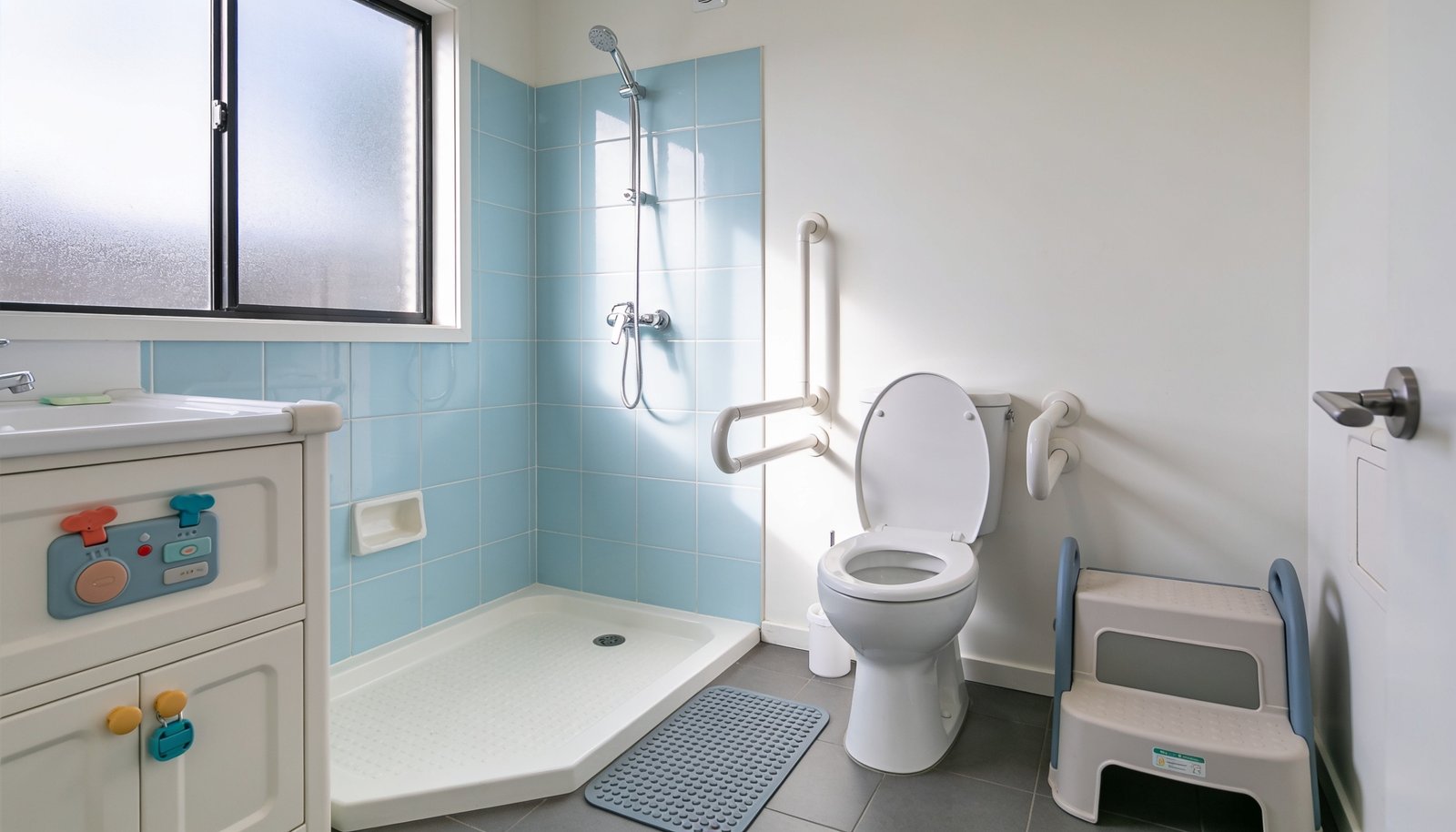
Bathrooms present a unique combination of hazards for young children, ranging from hot water delivery systems to standing water and accessible household chemicals. Creating a safer home environment requires a structured approach often thought of as a safety net. Safety relies on layers of protection across equipment, daily habits, and physical barriers, rather than relying on one or two devices to claim a space is entirely childproof.
Hot Water Delivery and Scald Prevention
Scalds from hot tap water can occur rapidly in young children whose skin is thinner and more sensitive than adult skin. Under Australian building standards, including National Construction Code (NCC) 2022 provisions for sanitary facilities, heated water delivered to personal hygiene fixtures such as baths, showers, and basins must be tempered to a maximum of 50°C to prevent severe burns.
Achieving this temperature threshold is a structural safeguard. Modifications to hot water delivery systems must be performed by a licensed plumber as required by the Plumbing Code of Australia. Homeowners and renters should never attempt DIY hot water temperature adjustments on water heating units. Alongside mechanical tempering valves, simple daily habits strengthen your scald prevention layer. When preparing a bath or filling a basin, running cold water first and ending with cold water ensures tap spouts do not remain hot to the touch and helps prevent sudden spikes in bath water temperature.
Drowning Prevention and Water Safety Standards
Drowning hazards in the bathroom extend beyond deep water in a full bathtub. Small amounts of standing water pose serious risks to toddlers and infants. A fundamental rule of child safety is that children must never be left unattended in the bath, even for a single moment. If the doorbell rings or another task requires your attention, the child must be taken with you or the task delayed.
Parents often rely on baby bath seats or support aids during bathing routines. The Australian Competition and Consumer Commission (ACCC) mandates specific safety warnings and usage requirements for baby bath seats and support aids. These devices are designed as bathing aids rather than safety restraints, and they do not remove the necessity for constant hands-on supervision. To eliminate standing water hazards after bath time ends, baths should be emptied immediately after use. Securing toilet lids with latches provides an additional physical barrier against standing water elsewhere in the room.
Poison, Chemical, and Injury Prevention
Bathrooms regularly store potentially toxic substances and sharp personal care items. Cleaning products, medicines, cosmetics, and razors should always be stored in locked, high cabinets well out of reach of children. Under-sink vanity storage accessible to crawling infants is particularly high-risk if left unlocked.
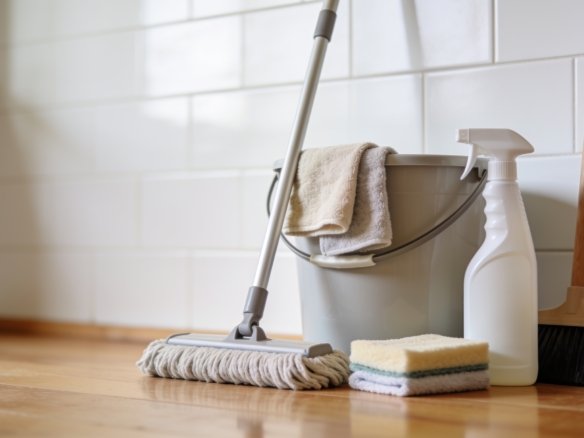
When maintaining bathroom hygiene, never mix household cleaning chemicals, as combining products can create dangerous chemical reactions or toxic fumes. Storing all chemicals in original packaging inside locked, elevated storage keeps hazardous compounds completely isolated from curious toddlers.
Slip Prevention and Access Controls
Smooth tiled surfaces combined with wet feet make slips and falls a common bathroom risk. Laying down slip-resistant mats inside the bathtub or shower recess, as well as on dry floor tiles directly outside the bath, provides essential physical traction for unsteady young feet.
Controlling access to the room itself forms another critical layer of the overall safety net. Fitting high door latches prevents toddlers from opening bathroom doors independently when an adult is not present. Remember that fitting a single lock or mat does not automatically make a bathroom childproof. True home safety relies on maintaining every layer of protection consistently.
Important Disclosures and Advice
Modifications to hot water delivery systems must be performed by a licensed plumber as required by the Plumbing Code of Australia. Medical or health-specific concerns should be directed to a healthcare professional. Legal advice regarding tenancy-related safety modifications should be sought from relevant state authorities.
Join The Discussion