
 by
by 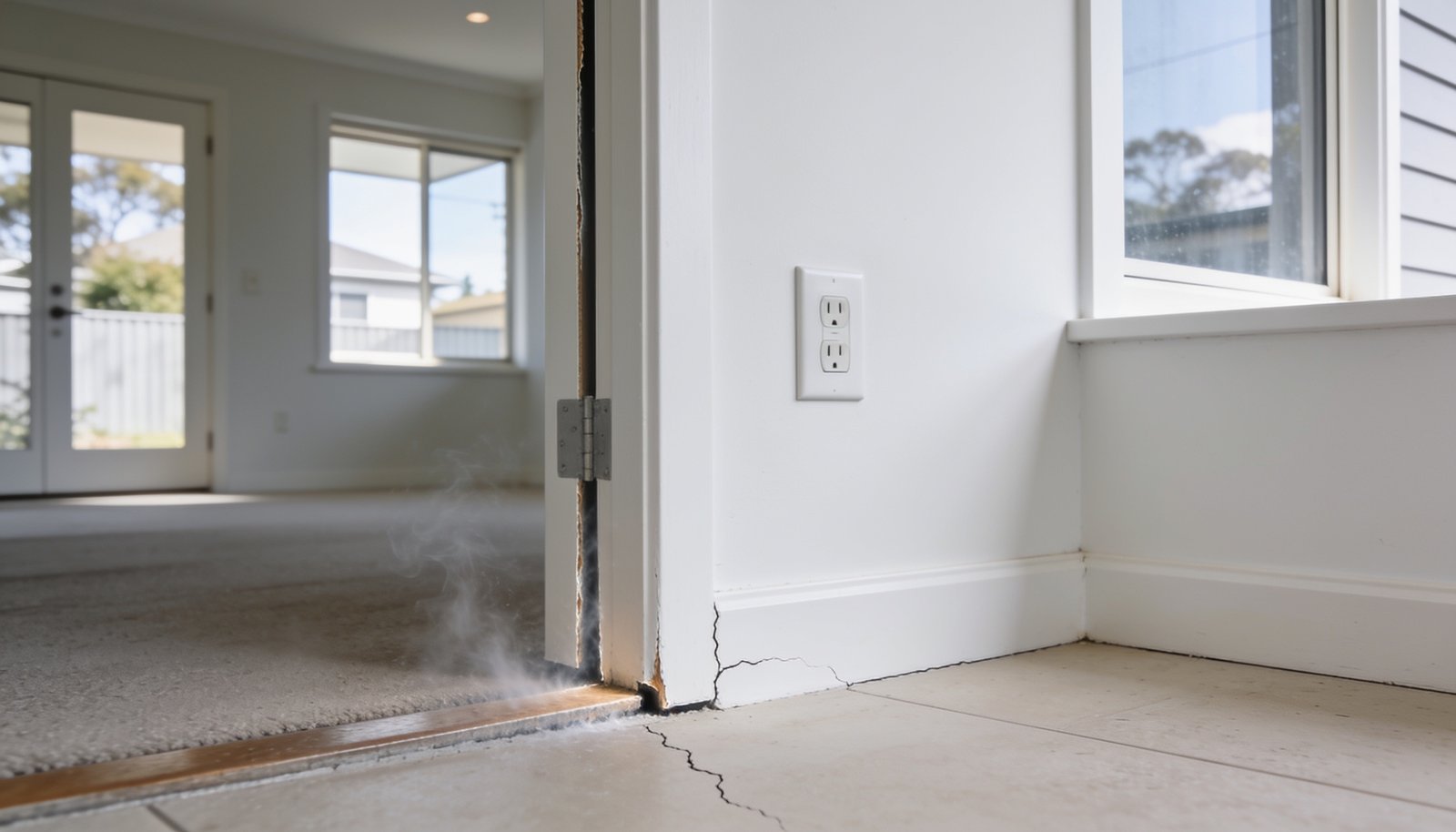
When a house feels cooler than it should be, cold air is usually sneaking in from somewhere. Finding those hidden gaps can make living spaces more comfortable and save on heating costs. This guide walks through common spots where chill enters and how to stop it.
Check the Doors
Most doors are not perfectly sealed; small cracks around hinges or at the bottom let cold air slip in. Hold a candle or a piece of paper near the door frame while someone lights the candle. If the flame flickers or the paper moves, it means air is passing through. Close the door fully and use a strip of weather-proof tape to seal any gaps you see.
If the door sits on a threshold that has become uneven over time, consider replacing or adjusting it so it rests flush against the floor. A loose threshold can act as a channel for cold air to travel under the door. Replacing it with a new one that fits snugly removes this pathway.
When doors open frequently, wear a door sweep at the bottom. This small strip of rubber or foam keeps drafts from slipping through while still allowing easy opening.
If you notice the door swings inward when wind hits it, the frame may be warped. A professional can realign or replace the frame to stop this issue.
Remember that any material added to a door should be safe and suitable for outdoor use, so it does not degrade quickly in weather.
Check the door jambs as well; gaps between the jamb and the wall can also let cold air sneak in.
- Look for cracks at hinges.
- Use candle or paper test.
- Apply weather-proof tape.
- Replace uneven thresholds.
- Add a door sweep.
- Realign warped frames.
Inspect Windows and Frames
Windows are common culprits when it comes to drafts; the frame often lets air through gaps between panes or around the sash.
Close each window fully and feel along the edges for any movement. If you can feel a breeze, that spot needs attention.
Use a strip of foam or rubber around the perimeter of the window to block small gaps. Ensure it is rated for outdoor use so it does not break down quickly.
If the frame itself has become warped or damaged, it may need replacing or re-grouting. This task can be complex and should be carried out by a professional.
Check the seals around double-glazed units; if they are cracked or missing, replace them to maintain insulation.
When windows are older, consider installing a secondary glazing layer inside the frame for extra protection against drafts.
Always use materials that are suitable for outdoor exposure and do not introduce moisture problems into the wall.
- Feel along edges.
- Apply foam strips.
- Replace warped frames.
- Check double-glazing seals.
- Install secondary glazing.
Look at the Roof and Gutters
Roof leaks or missing shingles can allow cold air to enter through small openings in the roof.
Walk around the house and inspect the roof for any loose or damaged sections. Feel for drafts that come from above when you stand near a ceiling.
If you find gaps, replace or repair them using suitable roofing material. This should be done by someone experienced with roof work to ensure safety.
Check the gutters and downspouts; if they are blocked, water can back up and seep into wall cavities, creating damp spots that also allow cold air in.
Clear debris regularly so water runs freely away from the walls.
Ensure that any flashing around chimneys or vents is intact and sealed properly to prevent drafts.
- Inspect roof for loose sections.
- Replace damaged shingles.
- Check gutters for blockages.
- Keep downspouts clear.
- Seal chimney flashing.
Examine Doorways Between Rooms
Even when a room feels warm, cold air can move through other rooms if doorways are not sealed.
Close the interior doors and feel along the jambs for any movement. If you notice drafts, add a strip of foam or rubber to seal the gap at the bottom.
Some older homes have loose floorboards that allow air to travel between rooms. Tighten or replace these boards if they are damaged.
If the door hinges are not flush with the frame, consider realigning them so the door sits snugly against the jamb.
Check for any gaps where the door meets the wall; a small piece of weather-proof tape can stop drafts without damaging paint.
These simple fixes help keep heat contained within each room and reduce overall cooling of the house.
- Seal gaps at bottom of doors.
- Tighten loose floorboards.
- Use weather-proof tape on jambs.
- Contain heat in rooms.
Check the Switchboard Area
The switchboard is often located near a wall that may have been altered for wiring. This can create small openings where cold air enters.
Inspect the area around the switchboard for any gaps or cracks. If you find them, use a suitable sealant to block the passage of drafts.
Make sure the sealant used does not interfere with electrical safety and is rated for indoor use.
If the wall around the switchboard has been patched poorly, consider replacing the patching material to improve sealing. This task may need professional help.
A well-sealed switchboard area keeps heat from escaping through an unintended route.
Avoid using any flammable materials near electrical components when making repairs.
- Inspect for gaps.
- Use suitable sealant.
- Check electrical safety.
- Replace poor patching.
- Keep heat contained.
- Avoid flammable materials.
Look at the Roof Overhangs and Eaves
Cold air can trickle under roof overhangs if they are not properly sealed.
Walk along the eaves and feel for drafts that come from above. If you detect a breeze, apply a strip of foam or rubber to seal the gap between the wall and the roof.
Check any flashing around skylights or roof vents; damaged flashing can allow cold air in.
If flashing is cracked, replace it with new material suitable for outdoor exposure.
Maintaining tight eaves prevents warm air from escaping and keeps the interior comfortable.
Regular inspections help catch small gaps before they become larger problems.
- Feel along eaves.
- Seal gaps with foam.
- Check flashing on skylights.
- Replace cracked flashing.
- Maintain tight eaves.
Cold drafts are often hidden in places that look ordinary but can be fixed with simple steps. By checking doors, windows, roofs, and other potential entry points you can keep your home warmer and more comfortable.



Join The Discussion