
 by
by 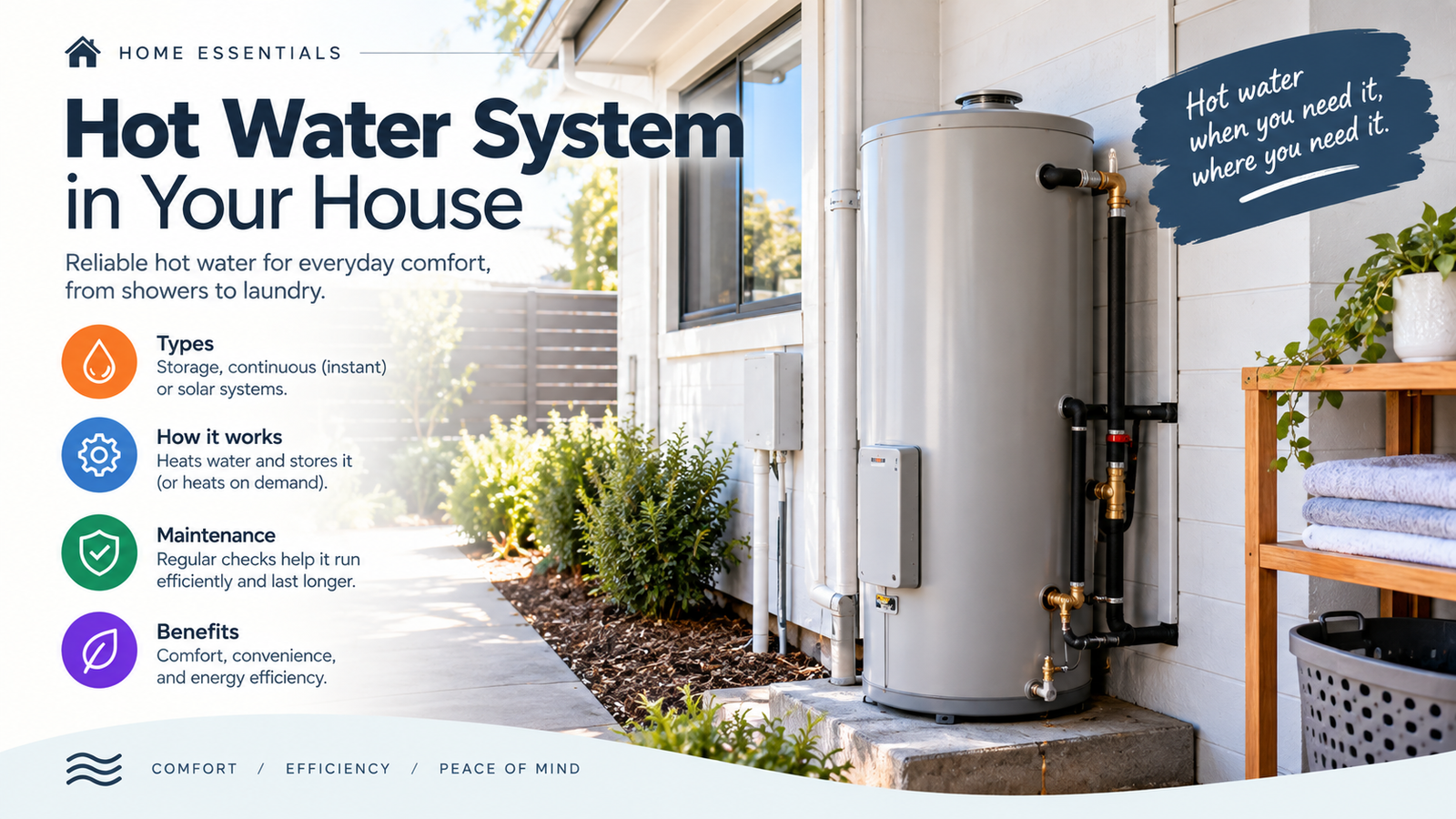
Setting the correct temperature on a hot water system requires balancing two critical factors: preventing bacterial growth inside the system and protecting residents from severe scalding at the tap. In Australia, national plumbing standards establish strict rules to manage both risks simultaneously.
The target temperature depends entirely on whether you are measuring the water inside a storage tank or measuring the water coming out of a bathroom tap.
The Storage Tank Rule: Minimum 60°C
For hot water storage systems, the internal tank temperature must be set to a minimum of 60°C. This requirement is governed by Australian/New Zealand Standard AS/NZS 3500.4.
The primary reason for maintaining a minimum tank temperature of 60°C is health and safety. Water stored at lower temperatures creates an ideal environment for bacteria, specifically Legionella pneumophila. Legionella bacteria can cause serious respiratory illnesses, including Legionnaires’ disease. Keeping the water at or above 60°C inside the tank ensures that these harmful bacteria are killed and prevented from multiplying. Lowering a storage tank temperature below 60°C is unsafe and violates Australian standard regulations.
In contrast, instantaneous or continuous flow systems operate differently. Because continuous flow systems heat water on demand rather than storing it in a tank, they do not carry the same risk of bacterial growth as storage units.
The Tap Delivery Rule: Maximum 50°C
While water must be kept at 60°C or higher inside a storage tank to kill bacteria, water delivered directly to personal hygiene taps at that temperature presents a significant scalding hazard. Water at 60°C can cause severe burns to human skin within seconds.
Under the Plumbing Code of Australia, water delivered to personal hygiene fixtures in residential homes, such as showers, bath taps, and bathroom basins, must be limited to a maximum of 50°C.
To bridge the gap between 60°C tank storage and 50°C tap delivery, plumbing systems rely on tempering valves or Thermostatic Mixing Valves (TMVs). A tempering valve sits in the plumbing pipework outside the hot water tank. It automatically mixes cold water with the hot water coming from the tank, which is 60°C or hotter, to ensure the final water temperature exiting the bathroom tap does not exceed 50°C.
Adjusting System Settings: What You Can and Cannot Do
When considering hot water system adjustments, it is important to distinguish between user-accessible controls and internal trade-serviced components.
Some modern hot water units, particularly continuous flow systems, feature external digital controllers. These controllers allow occupants to adjust the output water temperature within safe preset limits for everyday use.
However, adjusting the internal thermostat of an electric storage tank is entirely different. Internal thermostats are located behind service panels near high-voltage wiring. Adjusting these internal controls involves direct exposure to high-voltage electricity and must strictly be performed by a licensed electrician or plumber. Homeowners must not attempt to open electrical covers or adjust internal tank thermostats.
Additionally, specific manufacturer-provided temperature dials and markings vary across different brands and models. Without consulting the unit manual or seeking a professional trade opinion, attempting to calibrate or adjust an unlabeled dial can lead to inaccurate settings.
Licensing and Safety Requirements
Understanding Australian regulations regarding plumbing and electrical maintenance is essential when managing hot water systems.
In Australia, most plumbing work must legally be carried out by a licensed plumber. Homeowners should never attempt to install, repair, or tamper with tempering valves, Thermostatic Mixing Valves, gas units, or storage tank heating components.
If you are performing any minor, homeowner-safe check allowed by the manufacturer:
- Always isolate the water supply and relieve pressure before attempting any minor homeowner-safe task.
- Stop and refer to a licensed plumber if you encounter issues involving the water heater, gas lines, burst or corroded pipes, or valves that will not shut off.
By ensuring your storage tank maintains at least 60°C and your delivery fixtures remain tempered to a maximum of 50°C, you maintain compliance with Australian standards while protecting your home against bacterial growth and scalding hazards.



Join The Discussion