
 by
by 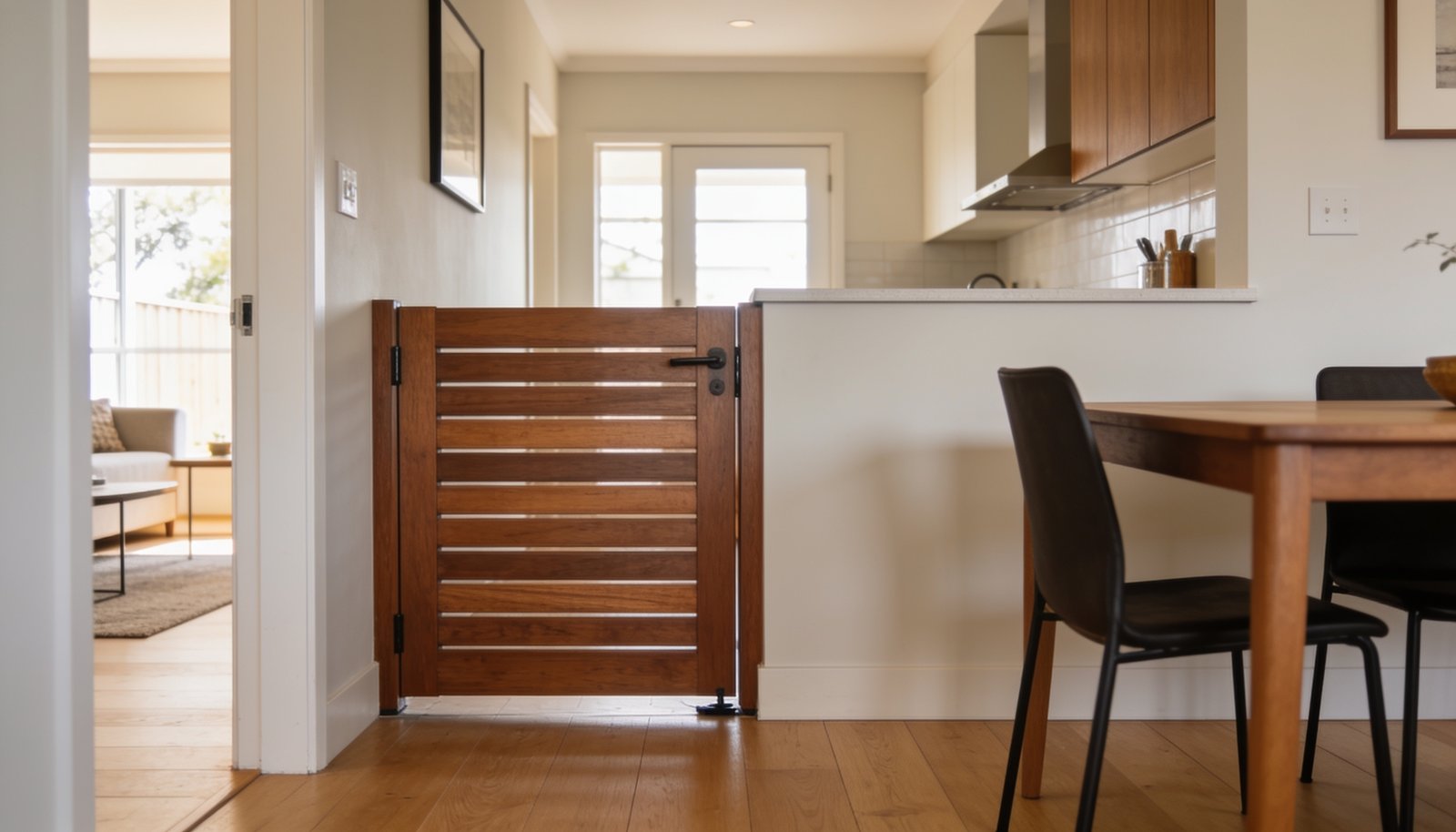
A swinging entry barrier can become a nuisance when it drags along the ground. The problem is common in many Australian homes, especially where the gate is used regularly. Addressing the issue early keeps the door moving smoothly and extends its life. If the barrier touches the floor, it can wear down the hinges, create uneven wear on the frame, and cause a minor safety hazard. Simple adjustments can restore a clean swing. The following steps outline a practical approach to fixing the problem.
Check the Alignment
The first step is to observe the gate as it opens and closes. Look for any visible contact between the lower edge and the ground. If contact occurs, the gate is not properly aligned with the frame.
Mark the spot where the gate touches the floor with a small piece of tape. This marks the area that needs adjustment. It also helps visualise the extent of the drag.
Use a level to confirm that the frame is vertical. A frame that leans can cause the gate to sit unevenly.
If the frame is tilted, adjust the mounting screws until the frame is straight. This may require loosening and repositioning the bolts that hold the frame to the wall.
Once the frame is level, recheck the gate position. The tape should no longer be in contact with the floor.
If the gate still drags, the hinges may be misaligned. This is addressed in the next section.
Aligning the frame is essential before adjusting the hinges, as a tilted frame can mask hinge problems.
A well-aligned frame ensures that any hinge adjustments will produce a smooth swing.
A clean swing improves safety and reduces wear on the gate.
This step completes the basic alignment check.
- Use a level to check the frame.
- Mark the drag spot with tape.
- Loosen and reposition mounting screws.
- Recheck after adjustment.
- Confirm no contact with the floor.
Adjust the Hinges
Hinges are the most common source of drag. If the lower hinge is bent or the pins are misaligned, the gate can sit unevenly.
Remove the gate from the frame carefully. This gives clear access to the hinges.
Inspect each hinge for bends or damage. A bent hinge will need realignment or replacement.
If the hinge is bent, straighten it gently with a hammer and a block of wood. Avoid excessive force that could crack the metal.
Once straight, re-install the hinge pins. Ensure they are fully seated and not loose.
Check the gap between the hinge and the frame. It should be consistent on both sides.
If the gap varies, the hinge may need to be repositioned. Slide the hinge slightly to achieve a uniform gap.
Reattach the gate to the frame. Tighten the screws firmly but avoid overtightening, which can strip the wood.
Test the swing. The gate should open and close without touching the ground.
If the gate still drags, the problem may lie with the frame or the gate itself.
In such cases, consider consulting a professional for a detailed assessment.
- Straighten bent hinges.
- Ensure pins are seated.
- Check hinge gaps.
- Reposition if necessary.
- Reattach and test.
Inspect the Gate Surface
The gate material can warp over time, especially if exposed to moisture. Warping can create uneven surfaces that drag.
Run a hand along the lower edge to feel for any bumps or curves. A smooth surface is essential for a clean swing.
If warping is detected, sand the affected area lightly. Use a fine grit sanding block to avoid gouging the surface.
After sanding, wipe the gate with a damp cloth to remove dust. Dry the gate thoroughly before re-installation.
If the warping is severe, a professional may need to refinish or replace the gate.
A well-maintained surface reduces friction and prolongs the gate’s lifespan.
Ensure the gate is free of debris such as leaves or sand that could interfere with its movement.
Clear any clutter from the gate’s path before testing.
A clean path and a smooth gate surface work together to prevent dragging.
- Feel for warping.
- Sand lightly if needed.
- Wipe and dry.
- Test the swing.
Secure the Gate Path
The ground beneath the gate can become uneven due to settling or erosion. This unevenness can cause the gate to drag.
Inspect the driveway or garden surface where the gate swings. Look for dips, bumps or loose stones.
Level any low spots with a small shovel and compact the soil. This creates a flat surface for the gate.
If the path is paved, check for cracks or uneven tiles. Replace or reseat any that are problematic.
A stable surface ensures the gate moves freely and reduces wear on the hinges.
Avoid using heavy machinery for small adjustments; a simple hand tool is sufficient.
Once the path is level, re-attach the gate and test the swing.
If the gate still drags, revisit the hinge adjustments.
A smooth path and properly aligned hinges together eliminate drag.
- Check for ground unevenness.
- Level low spots.
- Replace cracked paving.
- Test after adjustments.
Maintain Regular Checks
Routine inspections catch problems before they become serious. Set a reminder to check the gate every few months.
Look for new signs of drag, loose hinges or warped surfaces.
Clean the gate and its path regularly to prevent debris buildup.
A tidy path and well-maintained hinges keep the gate operating smoothly.
If any issue arises, address it promptly to avoid further damage.
Regular maintenance extends the life of the gate and saves time.
A simple routine is more effective than a major repair later.
- Schedule regular inspections.
- Check for new drag.
- Clean gate and path.
- Address issues promptly.
When to Call a Professional
Some problems are beyond simple DIY fixes. If the gate frame is severely warped or the hinges are corroded, professional help may be needed.
Structural issues can compromise safety and require specialised tools or expertise.
A qualified tradesperson can assess the frame, replace damaged components and ensure proper alignment.
They can also advise on long-term maintenance strategies.
Engaging a professional ensures the gate is safe, functional and durable.
- Identify severe frame damage.
- Check for corrosion.
- Seek professional assessment.
- Ensure proper alignment.
- Plan long-term maintenance.
A well-aligned gate that swings freely is a small but significant improvement to any home. By following these practical steps, you can keep your barrier operating smoothly and safely. Regular care ensures lasting performance without unnecessary expense.
Join The Discussion