
 by
by 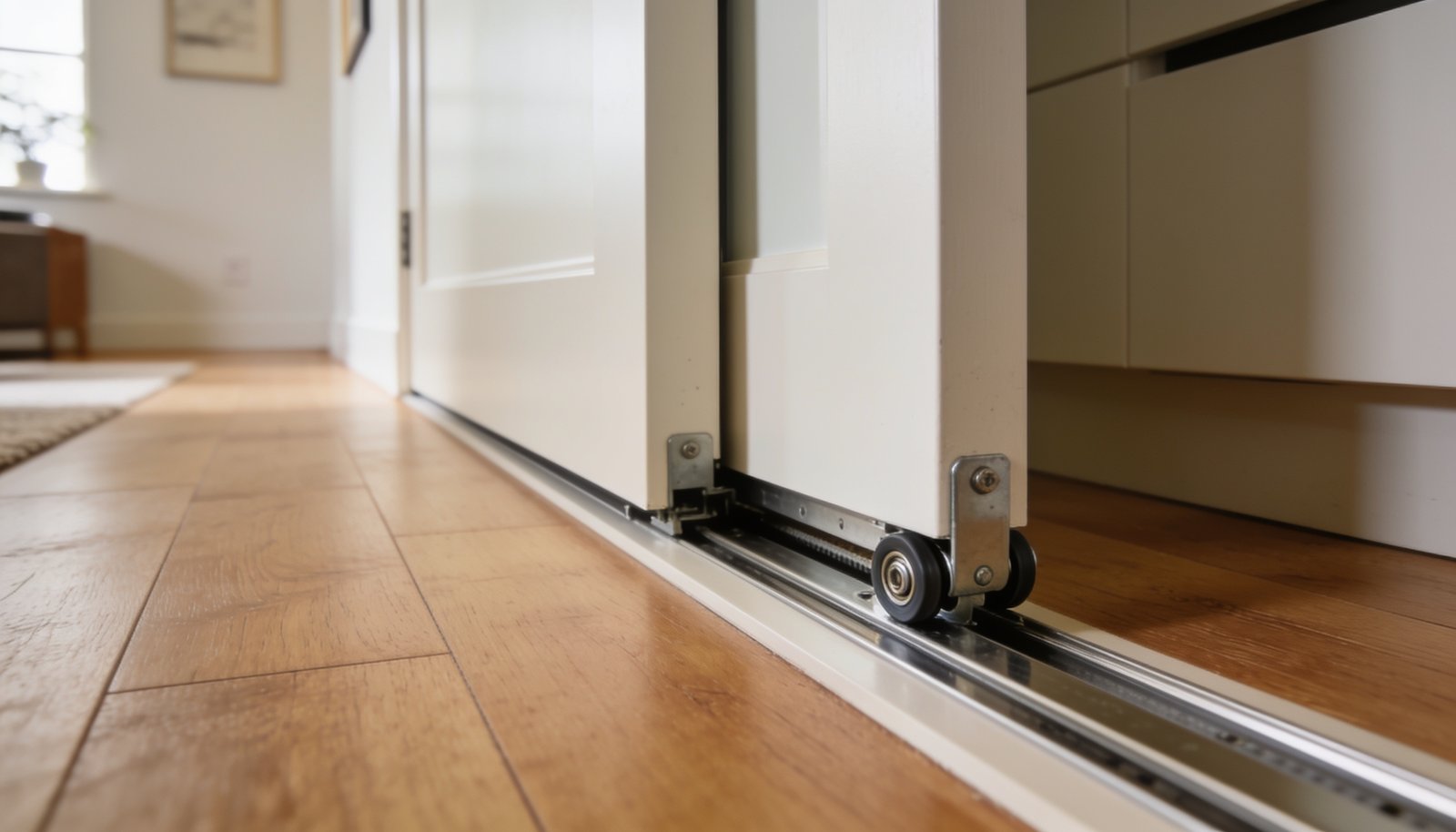
A sliding glass door that repeatedly jumps its track is both frustrating and dangerous. When a door derails, it loses smooth operation, sticks, or tilts sideways out of the frame. Understanding why this happens and following a systematic maintenance routine can keep your sliding doors gliding smoothly while preventing long-term damage.
Why Sliding Doors Jump Their Track
Several common issues cause sliding doors to derail. Over time, debris in the track can block the rollers, forcing the panel to jump off its path. Internal components also suffer wear; rollers can develop flat spots or cracking, preventing them from rotating cleanly. Misaligned height adjustment screws can alter the panel balance, leaving the door sitting too low or unevenly across the track. Additionally, damaged track rails create high spots or bends that push the roller assembly out of alignment.
Essential Safety Requirements Before You Begin
Safety is the primary consideration before undertaking any work on heavy glass doors. Heavy toughened glass sliding doors can weigh between 40kg and 80kg or more. Because of this significant weight, DIY handling carries real risk.
Always involve two people whenever lifting or removing door panels. Never attempt to lift, detach, or maneuver a door panel alone. Slipping or dropping a heavy door can lead to severe personal injury or shattered glass.
Step 1: Clean and Maintain the Tracks
Standard maintenance for sliding doors begins with thorough cleaning. Dust, grit, sand, and pet hair accumulate inside the bottom track over time, creating obstacles for the internal rollers.
- Vacuum the tracks thoroughly to remove loose dirt and debris.
- Wipe down the metal channels with a damp cloth to clear fine particles.
- Apply a non-greasy silicone lubricant along the track rails.
Avoid using traditional oil or grease products. Heavy oils and grease attract dirt, dust, and grit, creating a sticky slurry that clogs rollers and accelerates wear. Furthermore, do not mix different cleaning agents or lubricants together, as this can degrade door components or compromise performance.
Step 2: Inspect the Rollers and Track Rails
Once the track is clear, inspect the mechanical components. Look closely at the roller wheels located inside the bottom of the door frame. Inspect rollers specifically for cracking or flat spots. A cracked or flat-spotted wheel will catch on the track rail rather than roll over it, causing the door to hop or derail completely.
Examine the track rail itself. Look for bends, dents, or gouges in the metal lip where the roller sits. If the rail is bent or damaged, rollers will struggle to maintain contact, leading to frequent derailment.
Step 3: Adjust Door Height and Wheel Tension
If the door is catching or sitting unevenly, adjusting the roller height often resolves the issue. Sliding doors feature built-in adjustment mechanisms designed to align height and wheel tension.
Look for the adjustment screws located on the bottom edge of the door panel, usually hidden behind plastic plug covers near the bottom corners. Turning these screws clockwise or counter-clockwise raises or lowers the internal roller wheel. Adjust both sides so the panel sits plumb within the frame and maintains consistent tension on the bottom track. Raising a sagging door slightly can keep the rollers firmly engaged on the rail and prevent the frame from rubbing against the track edges.
Step 4: Recognizing When to Call a Professional
While basic track cleaning and height adjustments are suitable for home maintenance, DIY repair is not appropriate for all sliding door issues. Certain repairs require specialized trade expertise and tools.
Structural modifications or complex repairs to heavy sliding glass doors may require a licensed glazier or builder. Specifically, structural repairs, frame re-squaring, and glass replacement require a licensed professional or glazier. Glass installation and safety compliance in Australia are governed by AS 1288, which serves as the national industry standard for glass safety in windows and glass sliding doors.
Additionally, specific trade requirements and non-structural repair licensing requirements vary by state. Householders should consult local building and licensing authorities to check specific trade regulations in their state before undertaking major repairs.
Join The Discussion