
 by
by 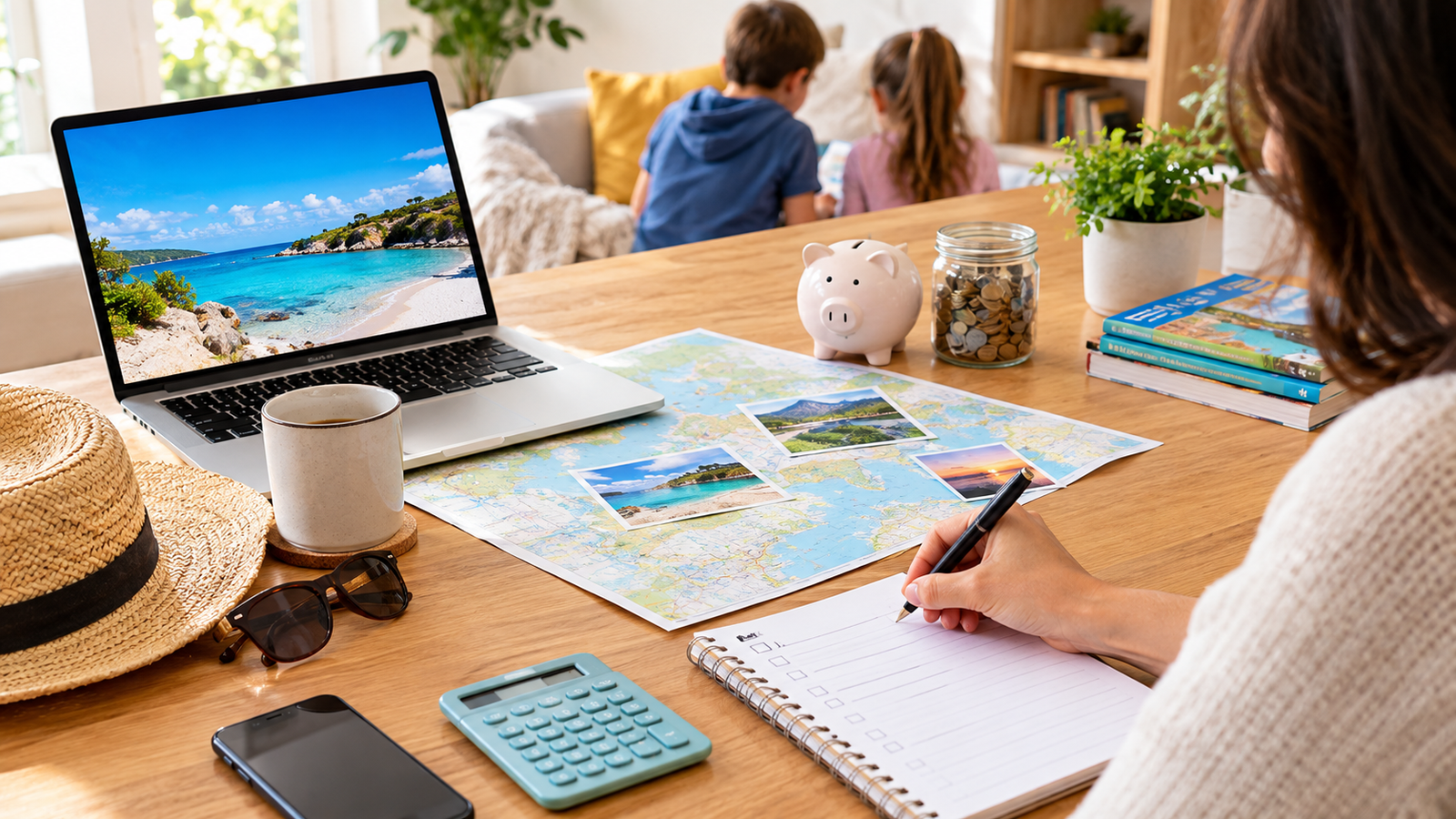
Planning school holidays at home can feel overwhelming but a simple plan keeps stress low. A clear schedule helps children stay engaged and parents stay organised. With a few practical steps, a budget-friendly holiday becomes a family success.
Create a Family Calendar
Start by marking out the holiday period on a large paper calendar placed in a common area. Write each day’s activities in colour-coded blocks so everyone can see the plan at a glance. Encourage children to add their own ideas to the calendar to boost ownership.
Use the calendar to balance quiet and active days, ensuring a steady rhythm throughout the break. Invite siblings to swap activities on the same day to keep variety high. Keep the calendar visible to remind everyone of the upcoming plans.
- Use a large paper calendar.
- Invite children to add ideas.
- Balance quiet and active days.
Set Up a Home Learning Space
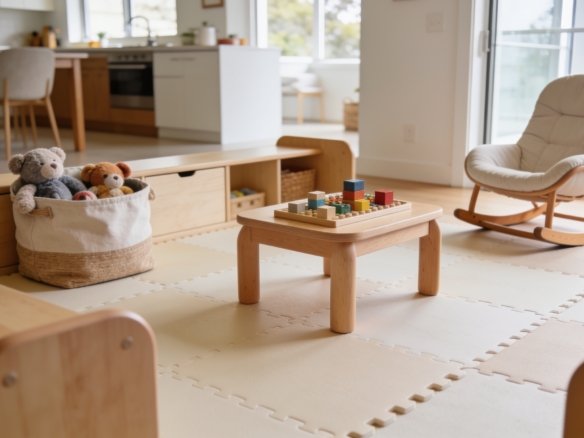
Choose a quiet corner of a room or a spare bedroom for study and craft work. Arrange a sturdy table and comfortable chair, ensuring good light from a lamp or natural source. Keep supplies like paper, pencils and colouring tools organised in a bin for easy access.
Add a small shelf for books and educational games, making learning attractive to kids. Place a whiteboard or corkboard nearby for quick note-taking and reminders. Keep the area free of clutter to maintain focus during study sessions.
- Select a quiet corner.
- Use a sturdy table and chair.
- Organise supplies in a bin.
- Add a shelf for books and games.
Plan Low-Cost Outdoor Adventures
Explore local parks and playgrounds that are free to use and offer natural play areas. Plan a picnic with homemade snacks, using the backyard for a relaxed setting. Invite friends or neighbours for a group walk or a simple game of tag.
Use the garden for a DIY obstacle course, creating fun challenges with household items. Rotate activities each week to keep excitement high without extra cost. Record the adventures in a shared photo album to create lasting memories.
- Visit free local parks.
- Plan a backyard picnic.
- Invite friends for a walk.
- Create a DIY obstacle course.
- Record adventures in a photo album.
Incorporate Creative Projects
Gather recyclable materials like cardboard boxes, paper rolls and old magazines for art projects. Encourage children to design and build their own model planets or cityscapes. Use simple household items to create music instruments, such as pots and spoons for percussion.
Schedule a craft day each week, allowing time for both individual and group creations. Display finished works on a dedicated wall or shelf to celebrate effort. Rotate themes to keep projects fresh, such as nature, space or community.
- Use recyclable materials for art.
- Build model planets or cityscapes.
- Create music instruments with household items.
- Schedule a weekly craft day.
- Display finished works.
Schedule Regular Family Time
Set aside a daily evening for shared activities like board games or storytelling. Rotate who chooses the game or story to involve everyone equally. Use this time to discuss the day’s highlights and plan the next day’s plan.
Include a quiet reading hour before bed, allowing each child to pick a book from the shared shelf. Use soft lighting and a comfortable seating area to promote calmness. End the day with a simple gratitude note, encouraging reflection on positive moments.
- Daily evening board games or storytelling.
- Rotate game or story selection.
- Quiet reading hour before bed.
- Soft lighting and comfortable seating.
- End with a gratitude note.
Maintain a Simple Budget Plan
Track household spending by noting each purchase in a notebook, keeping a clear picture of costs. Prioritise essential items such as food and supplies for crafts, avoiding unnecessary extras. Use free community resources like library books, local events and open spaces to enrich the holiday.
Plan meal times to use leftover ingredients creatively, reducing waste and saving time. Encourage children to help with meal prep, turning cooking into a learning experience. Swap snacks with neighbours when possible, sharing treats and building community.
- Track spending in a notebook.
- Prioritise essential items.
- Use free community resources.
- Plan meals with leftovers.
- Swap snacks with neighbours.
Reflect and Adjust
At the end of each week, review the plan with the family, noting what worked well. Adjust future activities based on feedback, ensuring the holiday remains enjoyable for all. Document lessons learned in a simple journal to reference for future breaks.
Use reflections to refine the calendar, swapping low-energy days with more engaging ones. Encourage children to suggest new ideas, fostering creativity and ownership. Keep the process flexible, allowing spontaneous changes when opportunities arise.
- Review weekly plan.
- Adjust activities based on feedback.
- Document lessons in a journal.
- Swap low-energy days with engaging ones.
- Encourage new ideas from children.
A well-planned holiday at home balances learning, play and rest, keeping the whole family happy. With these practical steps, a budget-friendly break can become a cherished part of family life.

Join The Discussion