
 by
by 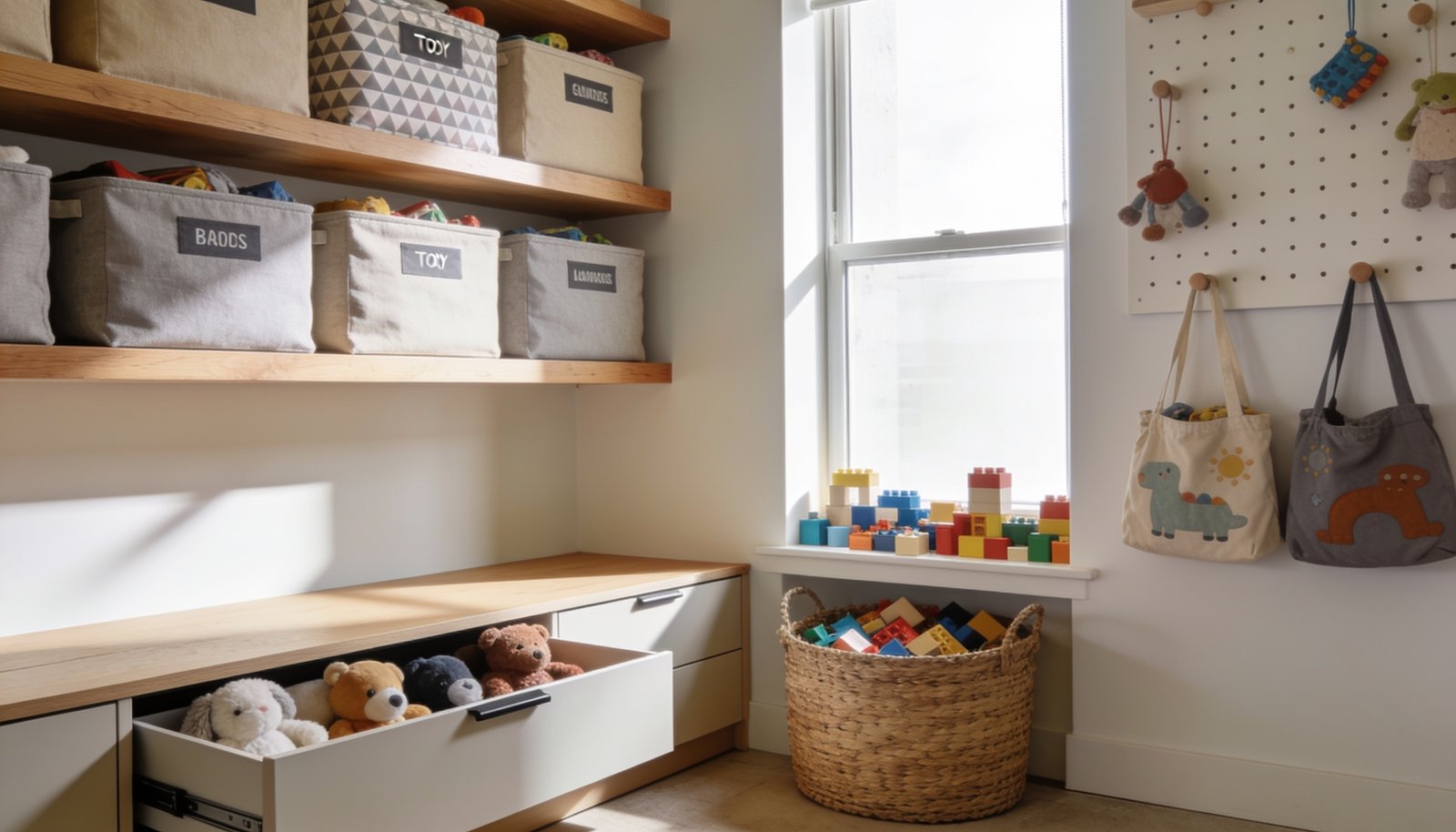
Keeping toys tidy is a common challenge in many homes. A clear system helps children learn responsibility and keeps living spaces clutter-free. This guide offers practical steps that fit within a typical Australian household.
Choose a Dedicated Spot
Select a single area in the living room or hallway to store all toys. Use a low shelf or a set of bins that are easy for children to reach. Label each bin with a picture or word to aid sorting.
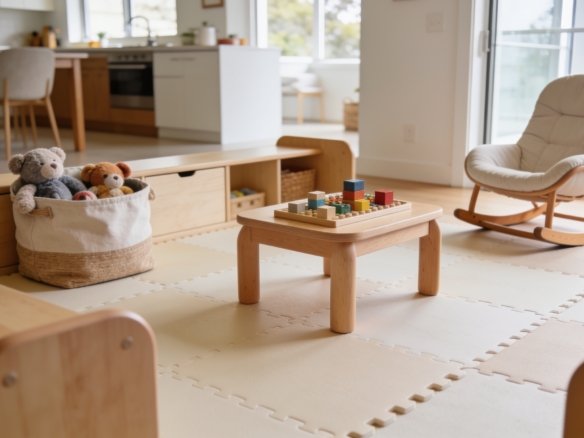
Keep the chosen spot clear of other clutter to avoid accidental spills or damage. Place a small rug or mat beneath the storage to protect the floor. Ensure the area is well lit so items are easy to see.
Encourage children to return toys to this spot after play. Reinforce the habit by checking the area regularly and tidying together.
If the space is limited, consider a rolling cart that can be moved as needed.
Use a colour-coded system to match bins with different play types, such as action figures or puzzles.
Keep the storage area within easy reach of the family’s favourite seating area to reduce trips.
Make sure the chosen spot is away from high traffic zones to avoid tripping hazards.
Avoid placing heavy bins on top of fragile furniture to prevent damage.
Keep the storage area away from direct sunlight to prevent fading of toys.
Use a low-profile shelving unit to keep the area neat and accessible.
Store the bins on the floor rather than on high shelves to avoid falls.
Keep the storage area tidy by removing items that are no longer in use.
Use a simple system that can be adapted as children grow.
Encourage children to ask for help if they are unsure where to put a toy.
Keep the storage area free of clutter to maintain a calm environment.
Use a small basket for smaller items such as cars or blocks.
Organise by Play Type
Separate toys into categories such as building blocks, action figures, and puzzles.
Use clear bins so items are visible and easy to access.
Place larger items on the bottom of the bin to prevent crushing smaller pieces.
Store frequently used items in the front for quick reach.
Keep rarely used items in the back to reduce visual clutter.
Use a small divider to keep small parts separate within a bin.
Label each section of the bin to aid quick identification.
Encourage children to return items to their designated spot.
Check the organisation regularly to ensure it remains practical.
Adjust the system as new toys are introduced.
Maintain a tidy space by removing broken or unused toys.
Create a Routine
Set a specific time each week for a quick tidy-up session.
Make it a family activity to reinforce the habit.
Use a simple checklist to ensure all areas are covered.
Keep the routine short and consistent to avoid fatigue.
Encourage children to take responsibility for their own toys.
Use a visual cue such as a coloured sticky note to remind children of the routine.
Keep the routine flexible to accommodate busy days.
Use a timer to keep the session focused and efficient.
Use Stackable Bins
Stackable bins save space and keep items organised.
Place the largest bin at the bottom and stack smaller ones on top.
Label each bin to avoid confusion.
Use a clear lid to keep dust away.
Keep the stack on a stable surface to prevent tipping.
Use a low-profile stack to avoid reaching too high.
Keep the stack near the play area for easy access.
Maintain a Clean Surface
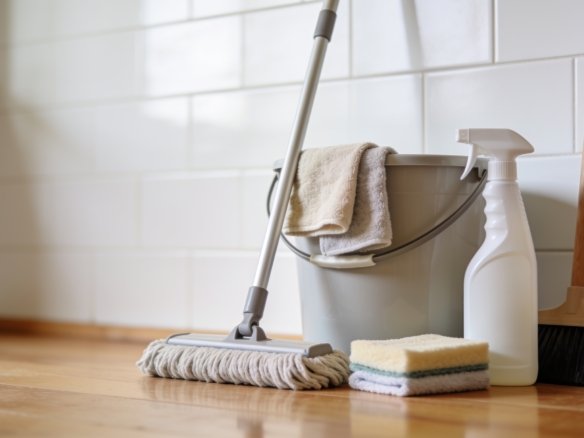
Wipe down the storage area regularly to prevent dust build-up.
Use a damp cloth to clean the bins without damaging them.
Keep the area free of spills by placing a mat underneath.
Use a small broom or dustpan for quick clean-ups.
Keep the surface dry to avoid mould growth.
Involve the Kids
Teach children how to sort and store toys independently.
Use simple language and visual aids to explain the system.
Encourage them to take pride in a tidy space.
Reward consistent effort with a small acknowledgement.
A well-planned toy storage system brings order to everyday life. With a few simple steps, children learn responsibility and the home stays neat.
Join The Discussion