
 by
by 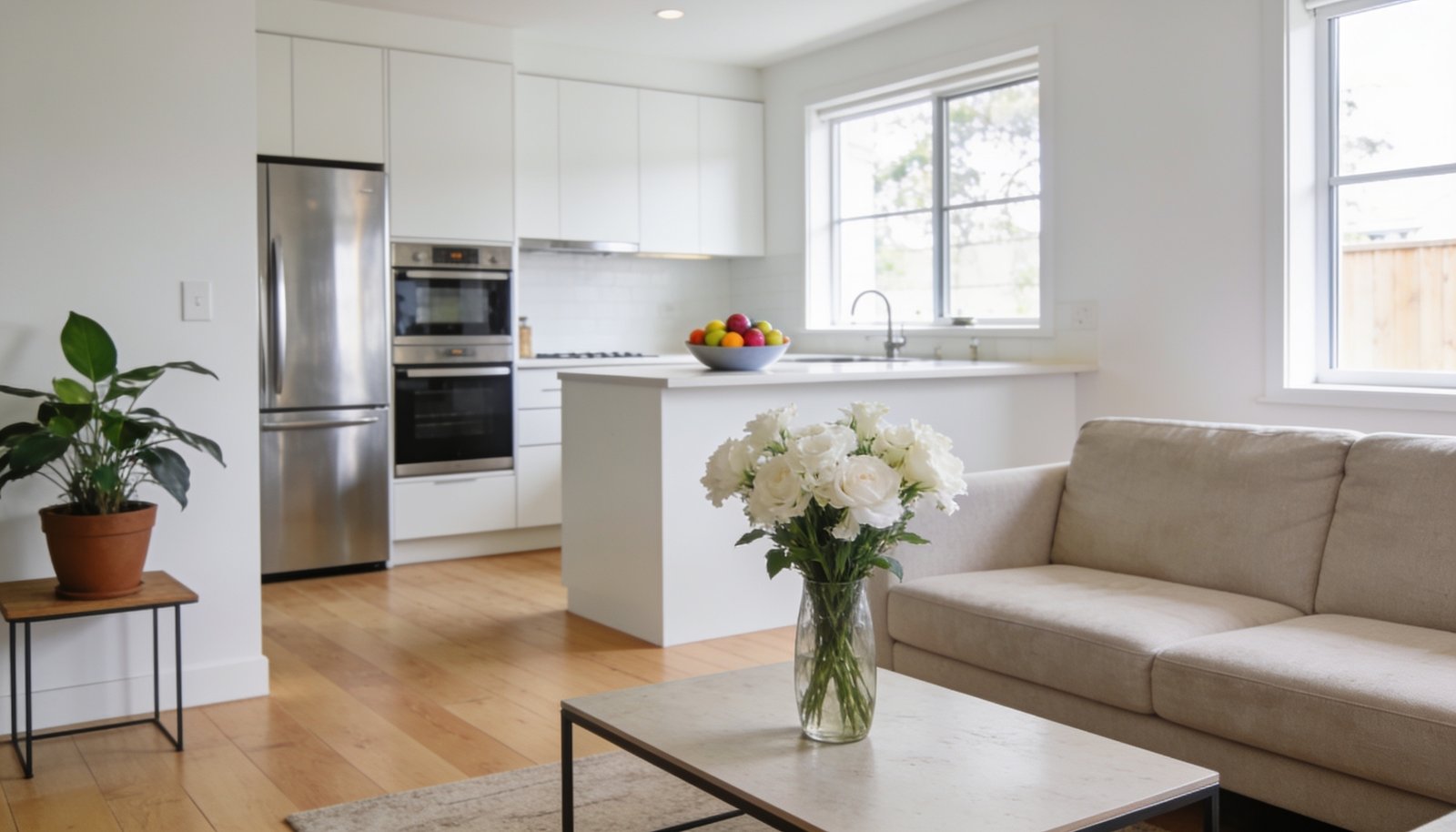
Renovating a whole home while still living in it can feel daunting, but with careful planning it is achievable. The key is to sequence work so that you minimise disruption and keep a safe, functional living space. By following a clear order and using practical tips, you can keep your household running smoothly throughout the project.
Plan Your Timeline
Start by mapping out each major area you will tackle, from the kitchen to the bedrooms. Break the project into blocks, ensuring that one area is finished before moving on to the next. Keep the sequence logical, so that demolition and construction in one room do not interfere with activities in another.
Use a simple calendar to note when each block starts and ends. Mark days when you will need to move furniture or set up temporary workspaces. Review the schedule regularly to stay on track and adjust if unexpected delays arise.
- Map out each major area.
- Break into blocks.
- Use a simple calendar.
- Mark move days.
Set Up a Safe Living Zone
Choose a single room or hallway to serve as your main living area during the renovation. Keep this space free of construction debris and ensure it has adequate lighting and ventilation. Place essential furniture and appliances in this zone to maintain comfort.
Use protective coverings on floors and walls to avoid damage. Keep the area clear of tools and materials to prevent accidents. Regularly sweep or vacuum to keep dust at a minimum.
- Choose a single room.
- Keep it free of debris.
- Use protective coverings.
- Keep tools out.
Tackle the Kitchen First
The kitchen is often the most used space, so finishing it early reduces long-term disruption. Start with demolition of old cabinets and appliances before installing new ones. After the walls and floors are ready, fit the new fixtures and finish with paint or paneling.
Once the kitchen is complete, you can move on to the next area without having to re-work a busy space. Keep the kitchen clear of clutter by using a temporary storage solution. Check that all plumbing and electrical connections are secure before use.
- Demolish old cabinets.
- Install new fixtures.
- Finish walls and floors.
- Use temporary storage.
Move to the Living and Dining Rooms
These rooms are central to daily life, so plan the work to minimise time spent away from them. Use drop cloths to protect carpets and furnishings during sanding and painting. After the paint dries, re-install furniture in the same layout to maintain familiarity.
If you need to replace flooring, do it after the walls are finished to avoid re-painting. Use a temporary floor covering to protect new surfaces during other stages of the project. Keep the area tidy and free of loose debris to ensure safety.
Finish the Bedrooms and Bathrooms
These private areas can be worked on after the common spaces, reducing interference with family routines. Begin with any structural changes, such as moving walls or installing new doors. Once the walls are ready, fit new tiles, paint, and fixtures before moving furniture back in.
Pay attention to ventilation and moisture control, especially in bathrooms. Use a temporary shower curtain or plastic sheet to protect surfaces during tiling. After the work is complete, clean thoroughly to remove dust and residue.
Address the Utility Areas
Utility rooms, such as the laundry or storage spaces, are essential for daily chores. Schedule work on these areas after the main living spaces to avoid disrupting laundry routines. Ensure that any electrical or plumbing upgrades are completed before using the room again.
Keep the area clear of clutter and use a temporary storage box for items that cannot be moved. Check that all switches and outlets are working correctly before re-using the space. Maintain a clean environment to prevent mould growth during the renovation period.
Final Touches and Clean-Up
Once all major work is finished, focus on small details that bring the home together. Replace light fittings, install new door handles, and adjust any loose fittings. Make sure all surfaces are free of dust and that the house smells fresh.
Conduct a final walk-through of each room to spot any missed spots. Use a soft cloth to wipe down surfaces and a vacuum to clear remaining dust. After the clean-up, you can fully enjoy your renovated home without lingering disruptions.
- Focus on small details.
- Make surfaces dust-free.
- Walk through rooms.
- Use soft cloth and vacuum.
A well-sequenced renovation keeps your household running smoothly and reduces stress. With careful planning and practical steps, you can enjoy a refreshed home while still living in it.
Join The Discussion