
 by
by 
Renovating in Queensland requires a clear plan that respects the local climate and the natural behaviour of timber. Humidity can cause timber to swell and shift, which can compromise the integrity of walls, floors and doors. By anticipating these changes and adapting construction techniques, a project can finish strong and look good for many years.
Choosing the Right Timber
Selecting timber that has been properly seasoned reduces the risk of sudden movement when exposed to moisture. Hardwoods with lower density are less prone to warping than dense hardwoods that hold more moisture. Treating timber with a breathable finish protects it while allowing the wood to breathe with humidity changes. Using timber that matches the existing structure avoids clashes in expansion rates. Ensuring the timber is free from defects such as knots or cracks prevents weak points that could fail later.
Before installation, measure the timber to confirm it fits the planned dimensions without forcing joints. Check for straightness and uniform grain; uneven grain can lead to uneven swelling. Store timber in a dry area for several days to allow it to acclimate to the local humidity. If the timber is sourced from a different region, allow additional time for acclimation to avoid unexpected movement. Keep the timber off the floor to prevent it from absorbing dampness from the ground.
- Use seasoned timber.
- Apply breathable finish.
- Match existing timber.
- Store in dry area.
- Acclimate before use.
Designing for Expansion
Plan joints with sufficient clearance so that timber can expand without forcing walls or floors. Incorporate flexible connections such as hinges or gaps that allow movement while maintaining structural integrity. Avoid tight, fixed joints that could crack when timber swells. Use tongue and groove panels that can slide slightly to accommodate expansion. Ensure that any metal fasteners are positioned to allow the timber to move freely.
When installing panels, leave a small gap along the edges that can close as the timber dries. Use a spacer that can be removed once the timber has settled into its final position. Check that the gap does not compromise fire safety or insulation performance. If a gap is required, seal it with a flexible sealant that can stretch with the timber. Regularly inspect the joints during the drying period to confirm they are behaving as expected.
Install tongue and groove panels.
- Leave clearance for expansion.
- Use flexible connections.
- Position fasteners for movement.
- Check joints regularly.
Ventilation and Humidity Control
Maintain good airflow around timber surfaces to minimise moisture buildup. Use a dehumidifier in areas that are prone to dampness, such as kitchens and bathrooms. Ensure that vents and fans are free from obstructions and operate regularly. Avoid sealing rooms completely; allow air to circulate freely through windows and doors. Monitor the humidity level with a simple hygrometer and adjust ventilation as needed.
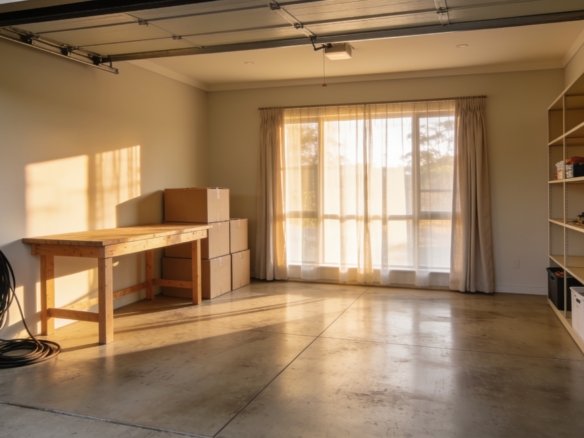
During construction, cover timber with breathable cloth to protect it from dust while allowing moisture to escape. Remove any damp material that could transfer moisture to the timber surface. Use a ventilation fan in the workshop or garage where timber is stored or worked on. If the area is naturally humid, consider installing a small exhaust fan to draw moist air outside. Check that the fan is positioned to avoid blowing dust directly onto the timber.
- Maintain good airflow.
- Use a dehumidifier.
- Keep vents free.
- Avoid sealing rooms.
Flooring and Flooring Finish
Choose flooring that can accommodate slight movement, such as engineered timber or laminate. Allow a small expansion gap along the perimeter of the floor to prevent buckling. Secure the floor with screws that can be tightened after the timber has settled. Use a flexible floor underlay that can absorb minor shifts. Finish the floor with a breathable sealant that does not trap moisture.
Before laying the floor, test a small section to confirm it expands as expected. If the floor shows excessive movement, adjust the underlay or increase the expansion gap. Keep the floor level during installation to avoid uneven pressure on the timber. After installation, check that the floor remains flat and that joints are not tight. If a problem is detected, address it promptly to avoid damage to the finish.
- Choose flexible flooring.
- Allow expansion gap.
- Use adjustable screws.
- Use flexible underlay.
- Apply breathable sealant.
Doors and Windows
Select doors that are designed to accommodate humidity changes, such as those with a flexible core. Leave a small gap between the door frame and the door to allow for expansion. Use hinges that can be adjusted to keep the door aligned as it moves. Seal the edges with a flexible weatherstripping that can stretch with the timber. Check that the door swings freely and does not bind during humid periods.
When fitting windows, leave a small clearance around the frame to allow for timber movement. Use adjustable window frames that can be tightened after the timber has settled. Ensure that the glass is not sealed too tightly to prevent pressure on the timber. If the window frame is too tight, it may crack or fail over time. Inspect the frame regularly for signs of movement or damage.
- Use flexible core doors.
- Leave door gap.
- Check swing freely.
Finishing Touches
Apply a finish that allows timber to breathe, such as a natural oil or a water-based clear coat. Avoid thick, impermeable finishes that trap moisture inside the timber. Allow each coat to dry fully before applying the next. Use a brush or roller that does not leave a heavy film on the surface. Check that the finish is even and that no areas are left exposed to moisture.
After finishing, keep the area well ventilated for several days to allow the timber to acclimate. If the timber shows signs of excess moisture, consider removing the finish and allowing it to dry further. Reapply the finish once the timber is stable to protect it from future humidity changes. Ensure that the finish does not yellow or darken significantly over time. Inspect the finish periodically and touch up as needed to maintain protection.
- Use breathable finish.
- Avoid impermeable coatings.
- Dry coats fully.
- Use light brush.
By planning ahead and using materials that respect Queensland’s humidity, a renovation can stand the test of time. A thoughtful approach to timber movement ensures that the finished home remains comfortable and durable for years to come.
Join The Discussion