
 by
by 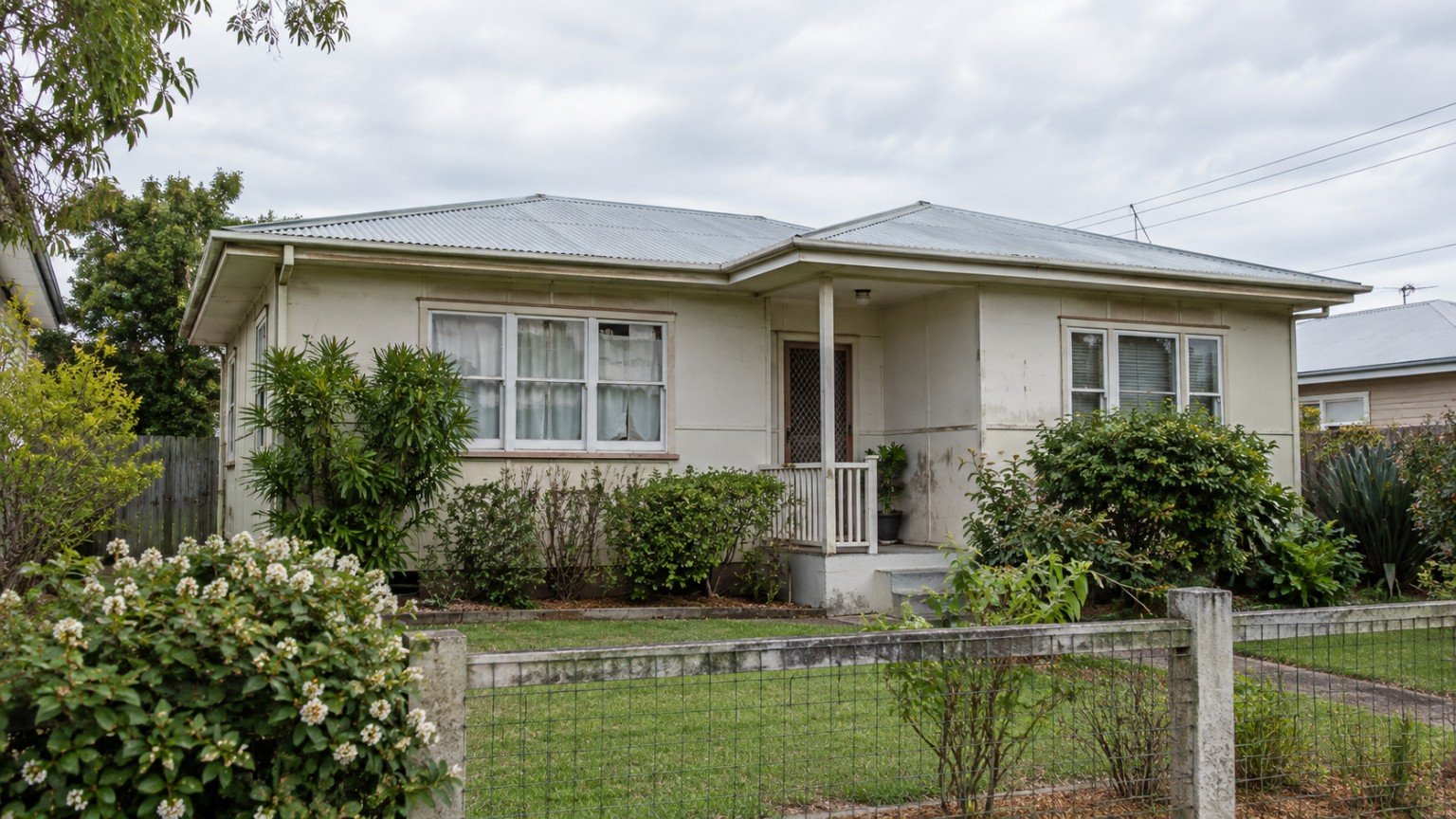
Asbestos is one of those topics that tends to be either ignored completely or discussed in a way that causes needless alarm. Neither serves a buyer or owner well. Given how much of Narevella’s suburb coverage sits in established, pre-1990s housing stock — inner Brisbane character suburbs, Wynnum, Ipswich CBD and many of Logan’s older streets — this is worth understanding calmly and practically.
The era to be aware of
Asbestos-containing materials were widely used in Australian residential construction through the mid-20th century, and their use was fully banned nationally at the end of 2003. As a rule of thumb rather than a legal test, a home built or renovated before the early 1990s should be treated as potentially containing asbestos somewhere until it has actually been checked. This is standard industry practice, not a Narevella-specific claim, and it is a sensible default rather than a reason to avoid a property.
Where it typically turns up in a Queensland home
In older Queensland housing, asbestos-containing material most commonly appears in:
- Fibro or “AC” sheeting on external walls and eaves
- Wet-area wall sheeting in older bathrooms and laundries
- Vinyl floor-tile backing and some older flooring adhesives
- Some roof sheeting
- Fencing
- Around older hot-water systems and heating services
The single most important message
Undisturbed, undamaged, well-sealed asbestos-containing material is generally managed in place — it is not automatically a defect or a reason to walk away. The risk arises from disturbing it: drilling, cutting, sanding, high-pressure washing, or demolition work. Left alone and in good condition, it is a known and manageable feature of a lot of older Queensland housing. This distinction matters and should not get lost in a more alarmist framing.
What buyers should actually do
A standard building and pest inspection is not an asbestos survey and will not identify or test materials for asbestos content — this is a very common assumption and it is worth correcting clearly. Narevella’s building and pest inspections guide covers what that standard inspection does and does not include. If asbestos is a genuine concern for a specific property, a separate, dedicated asbestos assessment is the correct next step.
If a property is advertised or appears to include structures such as a shed, carport or fibro extension, check whether those structures were approved — an unapproved structure raises the same questions as an approved one, plus an extra layer of risk. Narevella’s guide to buying a property with unapproved structures covers that angle.
For owners and renovators
Never test for asbestos by guessing based on appearance or age alone. Sampling and analysis by a competent person is the only reliable way to confirm whether a material contains asbestos. Queensland has specific rules governing who can remove asbestos, in what quantities, and how it must be disposed of at licensed facilities. The existence of these licensing and quantity thresholds is well established, but the specific thresholds, licence classes and current disposal fees change and are best confirmed directly with Workplace Health and Safety Queensland and your local council’s waste facility rather than relying on a fixed number in an article like this one.
If you are planning renovation work on an older home, resolve both questions before you start: whether the work needs council or building approval — see Narevella’s guide on whether you need council approval for a renovation in Queensland — and whether any material likely to be disturbed needs to be tested first.
Disclosure and insurance
Whether a seller has any disclosure obligation relating to known asbestos is a legal question best directed to a conveyancer or solicitor rather than answered generically here. Narevella’s guide to Queensland seller disclosure covers the disclosure framework buyers should understand more broadly.
New build versus established home
This is one of the genuine, practical differences between buying new and buying established housing stock in Queensland — Narevella’s new build vs established home comparison touches on several of these trade-offs without going into asbestos specifically, which is why this article exists as a standalone piece.
Keeping this in perspective
Asbestos in an older Queensland home is common, well understood, and manageable with the right approach. It is a reason to ask the right questions and get the right professional involved when work is planned — not a reason to treat every pre-1990s home as a problem.
This article is general research information only and does not consider your personal circumstances. It is not building, legal, health or safety advice. For guidance specific to a property, engage a qualified asbestos assessor or removalist and confirm current requirements with Workplace Health and Safety Queensland and your local council.
Useful Narevella Reading
- Compare Suburbs
- Find Property For Me
- Queensland Property Research Checklist
- Premium Property Review — a deeper, structured research report on a specific property



Join The Discussion