
 by
by 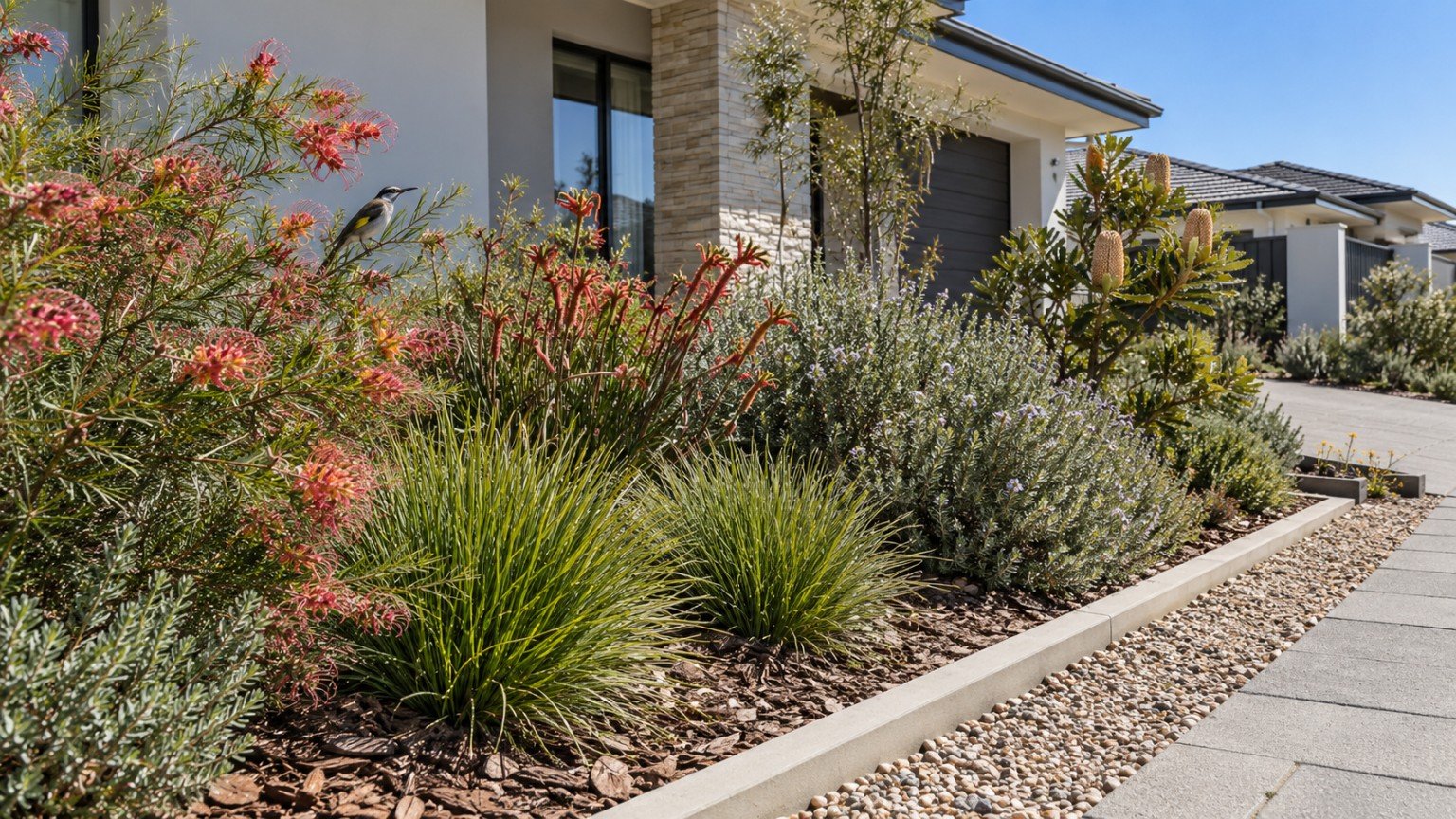
Choosing plants that suit the Australian climate, rather than fighting it, is one of the easiest ways to get a garden that looks good with far less ongoing effort. Native species have generally adapted over a long time to local rainfall patterns, soil types and heat, which means they typically need less watering, less fertiliser and less fuss once they are established.
Why native plants make sense for a low-maintenance garden
A garden full of thirsty exotic plants can mean regular watering, feeding and pest control just to keep things alive. Native plants are often naturally suited to dry spells, poorer soils and temperature swings, so once their root systems are established they tend to cope with far less intervention. That does not mean zero care, but it usually means less time and less water than a high-maintenance ornamental garden.
Things to consider before you choose plants
Match plants to your local conditions
“Native” covers an enormous range of Australian climates, from tropical to temperate to arid. A plant that thrives in a coastal, humid area may struggle in a cooler inland climate, and vice versa. Your local plant nursery or council website is generally the best source for species that are genuinely suited to your specific region and soil type, rather than relying on a generic national list.
Check your soil and drainage
Many native Australian plants, particularly those from drier regions, dislike heavy, waterlogged clay soil and prefer good drainage. If your garden holds water after rain, either choose species suited to damper conditions or improve drainage before planting.
Consider mature size
Some popular native shrubs and trees grow larger than people expect. Always check the expected mature height and width before planting near fences, paths, pergolas or the house itself, so you are not cutting back an oversized plant a few years later.
Popular low-maintenance native options
The right choice will always depend on your climate zone and soil, but several groups of native plants are widely used across Australian home gardens for their hardiness and relatively low upkeep:
- Grevilleas are popular for their long flowering periods, drought tolerance once established, and the way they attract native birds.
- Bottlebrushes (Callistemon) are hardy, tolerate a range of soils, and provide reliable colour with minimal care.
- Kangaroo paw suits sunny, well-drained spots and adds a distinctive shape and colour to garden beds.
- Lomandra is a tough, grass-like native often used for borders and low-water landscaping, and copes well with both sun and light shade.
- Westringia (native rosemary) is commonly used as a hardy, low-maintenance hedge or border plant that tolerates coastal conditions well.
- Correa species generally handle part-shade well and suit smaller garden beds or under-planting near trees.
A local nursery can confirm which of these, or other regional natives, will genuinely thrive in your specific postcode and aspect.
Getting plants established with minimal ongoing work
Water well in the first year
Even drought-tolerant natives need regular watering while their root systems establish, generally in the first six to twelve months after planting. Skipping this step is one of the most common reasons a supposedly low-maintenance plant fails.
Mulch generously
A good layer of mulch around native plants helps retain soil moisture, suppresses weeds and moderates soil temperature, all of which reduce the amount of ongoing watering and weeding you need to do.
Prune lightly and occasionally
Many natives respond well to a light prune after flowering, which encourages denser growth and more flowers next season, but they generally do not need the frequent shaping that some exotic hedging plants require.
Go easy on fertiliser
Australian native plants have often adapted to naturally low-phosphorus soils, and standard high-phosphorus fertilisers can sometimes harm them. If you fertilise at all, look for products specifically formulated for natives, and always follow the product instructions.
A garden that works with the climate, not against it
Building a garden around native, climate-appropriate plants will not eliminate maintenance entirely, but it does shift the balance toward less watering, fewer pest problems and less ongoing cost. For most Australian homeowners, that trade-off is well worth exploring, whether you are planning a full garden overhaul or simply replacing a few struggling exotic plants with hardier local alternatives.



Join The Discussion