
 by
by 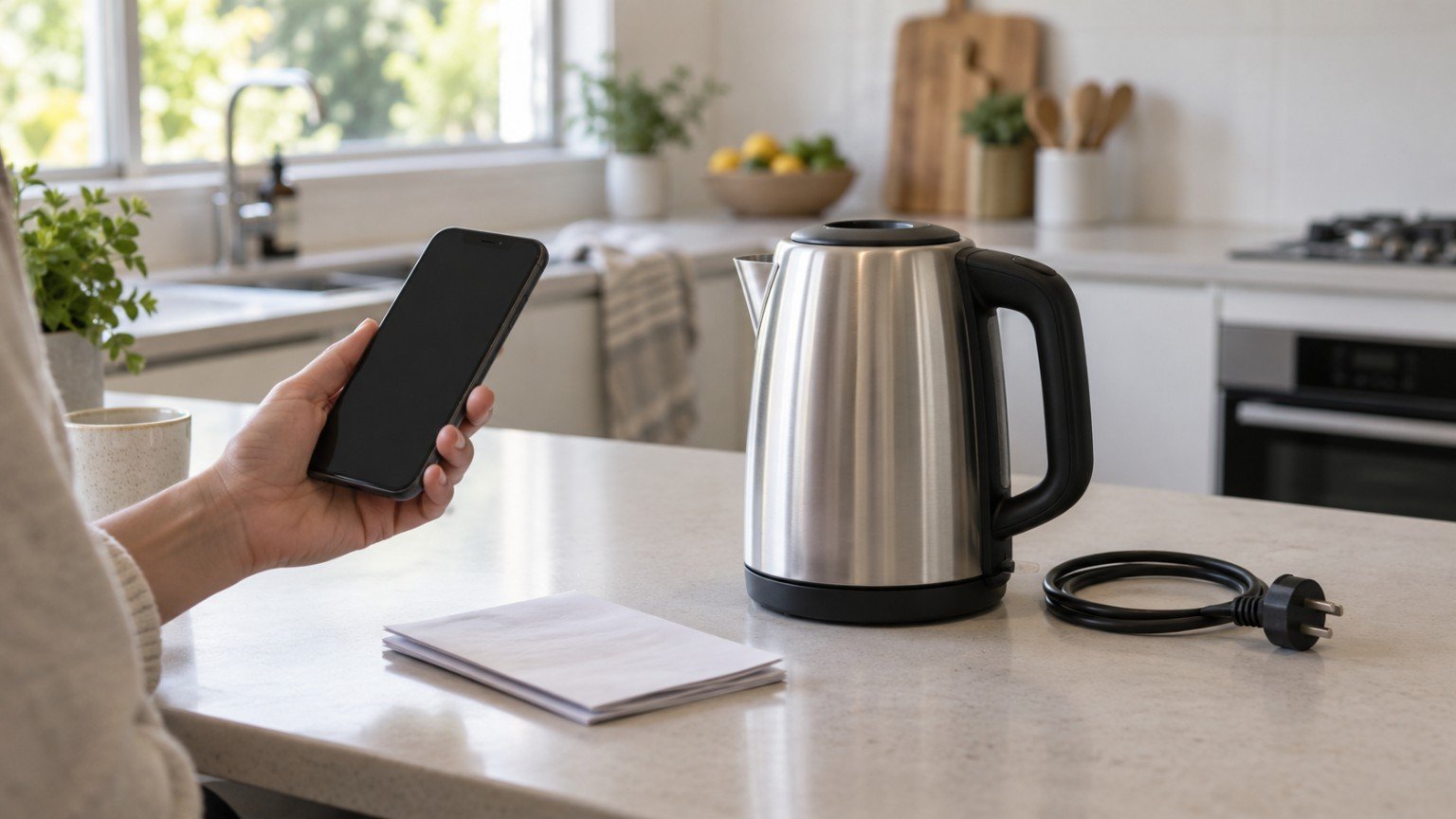
Product recalls happen more often than most households realise, covering everything from children’s toys and cots to kettles, heaters and furniture. Most pass by without anyone hearing about them unless they happen to own the exact item, since recalls rarely make major news coverage unless the issue is especially serious or widespread. Knowing how the system actually works, and where to check, means a recall affecting something in your own home doesn’t slip past you.
What a product recall actually means
A product recall in Australia means a manufacturer, importer or retailer has identified a genuine safety issue with a product already sold to consumers, and is taking formal action, which can include asking customers to stop using it, return it for a refund or repair, or dispose of it safely. Recalls are coordinated through the Australian Competition and Consumer Commission’s Product Safety division, which maintains a public register of every current and past recall notice.
Recalls happen for a wide range of reasons: a choking or entrapment risk in a children’s product, a fire or electrical fault in an appliance, a stability issue in furniture, or a chemical or contamination issue in a household product. Not every recall is equally serious, some are precautionary, others involve a real and immediate safety risk, but all of them are worth taking seriously if you own the item.
Where to check: the ACCC Product Safety register
The primary, authoritative source for current Australian recalls is the ACCC’s Product Safety website, at productsafety.gov.au, which lists searchable recall notices by product category, brand and date. It’s worth bookmarking this page and doing a quick search whenever you’re unsure about the safety status of an appliance, piece of furniture or children’s item, particularly a second-hand one, since recalls can be issued well after a product was originally purchased.
For food-related recalls specifically, Food Standards Australia New Zealand (FSANZ) maintains a separate, equivalent register, since food recalls are handled through a different regulatory pathway to general consumer products.
Common categories of household recalls
- Children’s products. Toys, cots, prams and other baby gear are among the most commonly recalled categories, usually for choking, entrapment or structural safety issues.
- Electrical appliances. Heaters, kettles, chargers and small kitchen appliances are regularly recalled for fire or electric shock risks.
- Furniture. Tipping and stability recalls, particularly for tall or top-heavy furniture like drawers and bookshelves, are common, especially where they pose a risk to young children.
- Cleaning and household chemical products. Occasionally recalled for incorrect labelling, contamination or packaging faults that create a safety risk.
What to do if you own a recalled item
If you find a current recall notice for something you own, the notice itself will specify exactly what to do, since this varies by case. Common outcomes include returning the item to the retailer or manufacturer for a full refund, arranging a free repair or replacement part, or, for more serious safety issues, being instructed to stop using and safely dispose of the item immediately. Follow the specific instructions in the official notice rather than assuming a general approach, since improvising a fix yourself can sometimes make the original safety issue worse.
It’s also worth noting that a recall is not an accusation against a brand generally, it’s a formal safety process that responsible manufacturers and retailers participate in when an issue is identified, and acting on a recall promptly is simply good household practice, not something to be alarmed about.
How to register products so you’re notified automatically
Many manufacturers, particularly for higher-risk categories like baby products, appliances and furniture, offer product registration at the time of purchase, often via a card in the box or an online form. Registering means you can be contacted directly if a recall is issued later, rather than relying on spotting a news story or checking the register yourself. It’s a simple, five-minute step worth doing for higher-risk household items when you buy them.
A note on overseas recalls
If you’ve bought something online from overseas, particularly the US, keep in mind that a recall listed with the US Consumer Product Safety Commission (CPSC) doesn’t automatically apply in Australia, and vice versa. It’s worth checking both the ACCC register and the relevant overseas authority if you’ve imported a product directly, since recall coverage doesn’t always align between countries.
Checking the ACCC Product Safety register periodically, and registering higher-risk products when you buy them, is a small habit that meaningfully reduces the chance a genuine safety issue in your home goes unnoticed.


Join The Discussion