
 by
by 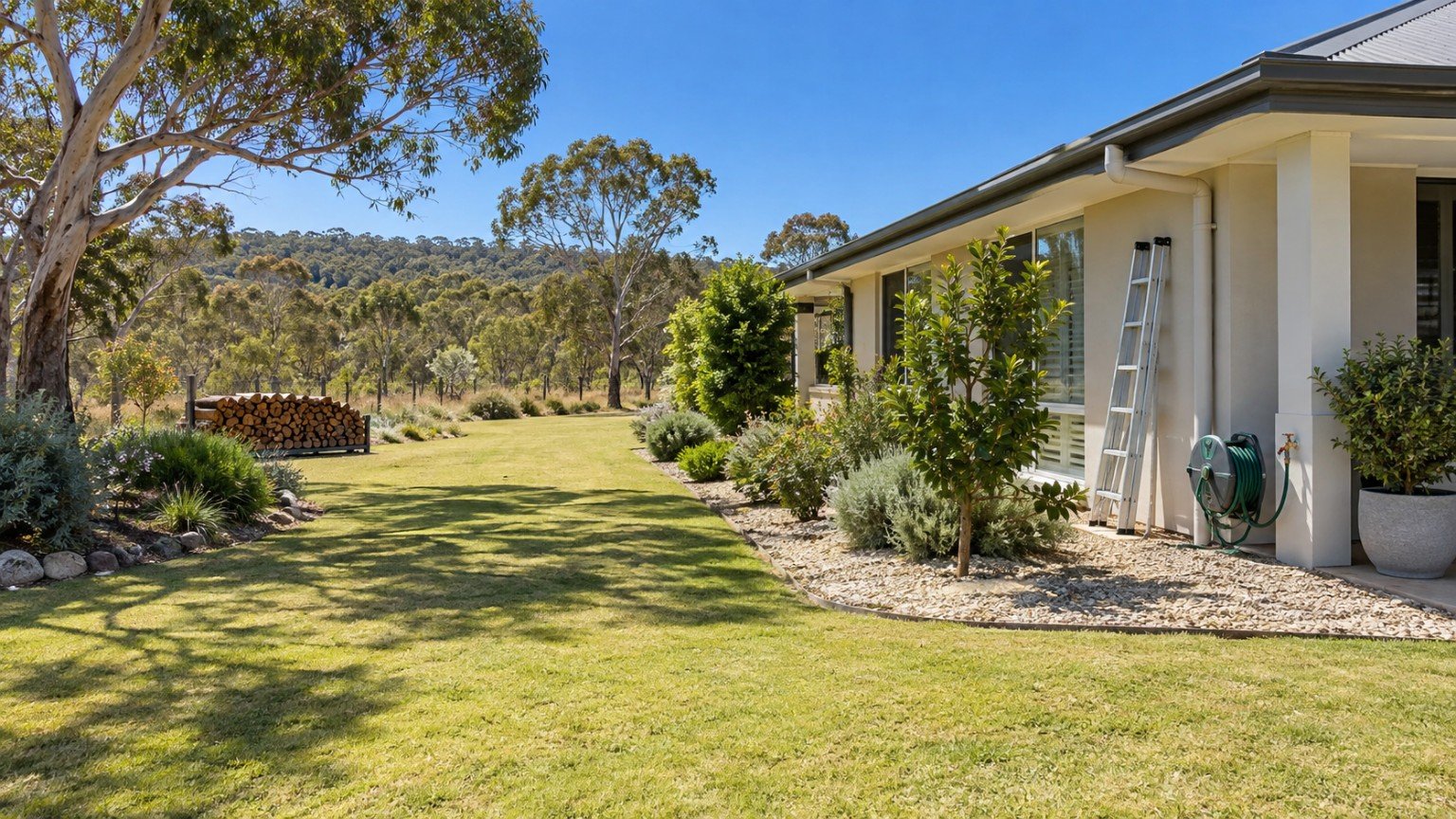
Bushfire season touches most of Australia in some form, and preparing the garden and the home itself is genuinely one of the most useful things a property owner can do ahead of it. This is a property and garden preparation checklist, not operational fire-response advice. For any decision about defending a property or evacuating during an actual fire event, always follow your state or territory fire authority’s guidance rather than a general article like this one.
Understanding the season
Australia’s bushfire season generally runs from around August through to May, with the peak period typically falling between December and March, though the exact timing and intensity varies significantly by region and by year, and southern states can see their peak later than northern ones. Because the season’s start, peak and official declarations differ by state, check your own state or territory fire authority’s website for the current season status and any fire danger ratings or total fire bans in place for your area, rather than relying on a general national timeframe.
The goal of the preparation below is straightforward: reduce the fuel available to a fire near your home, and make the property itself less likely to ignite from embers, which travel far ahead of an actual fire front and are responsible for a large share of home losses.
Clearing and reducing fuel around the home
The area immediately around a house matters more than most people expect. A few practical steps make a genuine difference:
- Keep grass mowed short, particularly within the first several metres of the house
- Clear leaf litter, dead branches and dry mulch from garden beds close to the building, especially against walls, decking and under windows
- Remove or thin dense, dry shrubs directly against the house, since these can carry a fire straight to the building
- Store firewood, gas bottles and anything flammable well away from the house, not stacked against an external wall
- Clear anything combustible from underneath a deck, verandah or elevated structure
Gutters and roof maintenance
Dry leaves and debris in gutters are one of the most common ways embers ignite a home during a bushfire, since embers can land in gutters and smoulder there long after the fire front has passed. Clearing gutters and roof valleys of leaf litter ahead of the season, and again periodically through it if you’re in a heavily treed area, is one of the simplest and most effective steps available. If your gutters need attention beyond a simple clear-out, or you’re not confident checking them safely from the ground, it’s worth getting a professional to take a look rather than working at height yourself.
Check external roof vents, eaves and any gaps where embers could enter the roof space, and consider ember-proof mesh screens on vents if your home doesn’t already have them.
Garden design choices that help
How a garden is laid out affects how easily fire can move through it. A few genuinely useful principles:
- Break up continuous stretches of dry vegetation with paths, paved areas, gravel or well-maintained lawn, which slow a fire’s progress
- Choose and maintain plants with higher moisture content and lower oil content close to the house; ask at a local nursery about fire-resistant plant choices for your specific climate zone
- Prune trees to remove dead or low-hanging branches, and keep tree canopies separated rather than touching, so fire can’t move easily from tree to tree toward the house
- Position garden watering systems so they can reach the areas closest to the house if needed
None of this makes a property fireproof, and none of it replaces the operational guidance your state fire authority provides once an actual fire threat is nearby. It genuinely reduces risk and buys time, which is the realistic goal of garden and property preparation.
Preparing an emergency kit and a written plan
Every household in a bushfire-prone area benefits from a written bushfire plan and a ready emergency kit, covering essentials like water, torches, a battery radio, medications, important documents and contact details for family members. Your state or territory fire authority publishes detailed, region-specific guidance on what a proper bushfire survival plan should include and how to decide, well ahead of any actual fire, whether your household’s plan is to leave early or to actively defend a well-prepared property. These are genuinely serious decisions that depend on your specific location, property and circumstances, and they deserve the detailed, authoritative guidance your state fire authority provides rather than a generic checklist.
Where to get authoritative advice
For property and risk research more broadly, it’s worth understanding how bushfire risk is assessed and disclosed when buying or owning a property in a fire-prone area. For readers researching bushfire risk as part of buying a home, our companion piece on bushfire risk and property buying in Queensland looks at that side in more depth. If you’re working through a broader seasonal maintenance routine for a South East Queensland property, our seasonal home maintenance calendar for South East Queensland covers the wider annual checklist this bushfire prep sits within.
For anything related to actual fire danger ratings, total fire bans, or a decision about staying or leaving during a fire event, your state or territory fire authority (such as the Rural Fire Service, Country Fire Authority, or equivalent body in your state) is the source to rely on, not a general home and garden article.
The bottom line
Preparing the garden and home ahead of bushfire season is genuinely one of the most useful things a property owner can do, and it’s entirely within an ordinary homeowner’s ability: clearing fuel, maintaining gutters, choosing garden layouts thoughtfully, and having a kit and plan ready. The moment an actual fire threat is nearby, hand the decision-making over to your state fire authority’s real-time guidance.



Join The Discussion