
 by
by 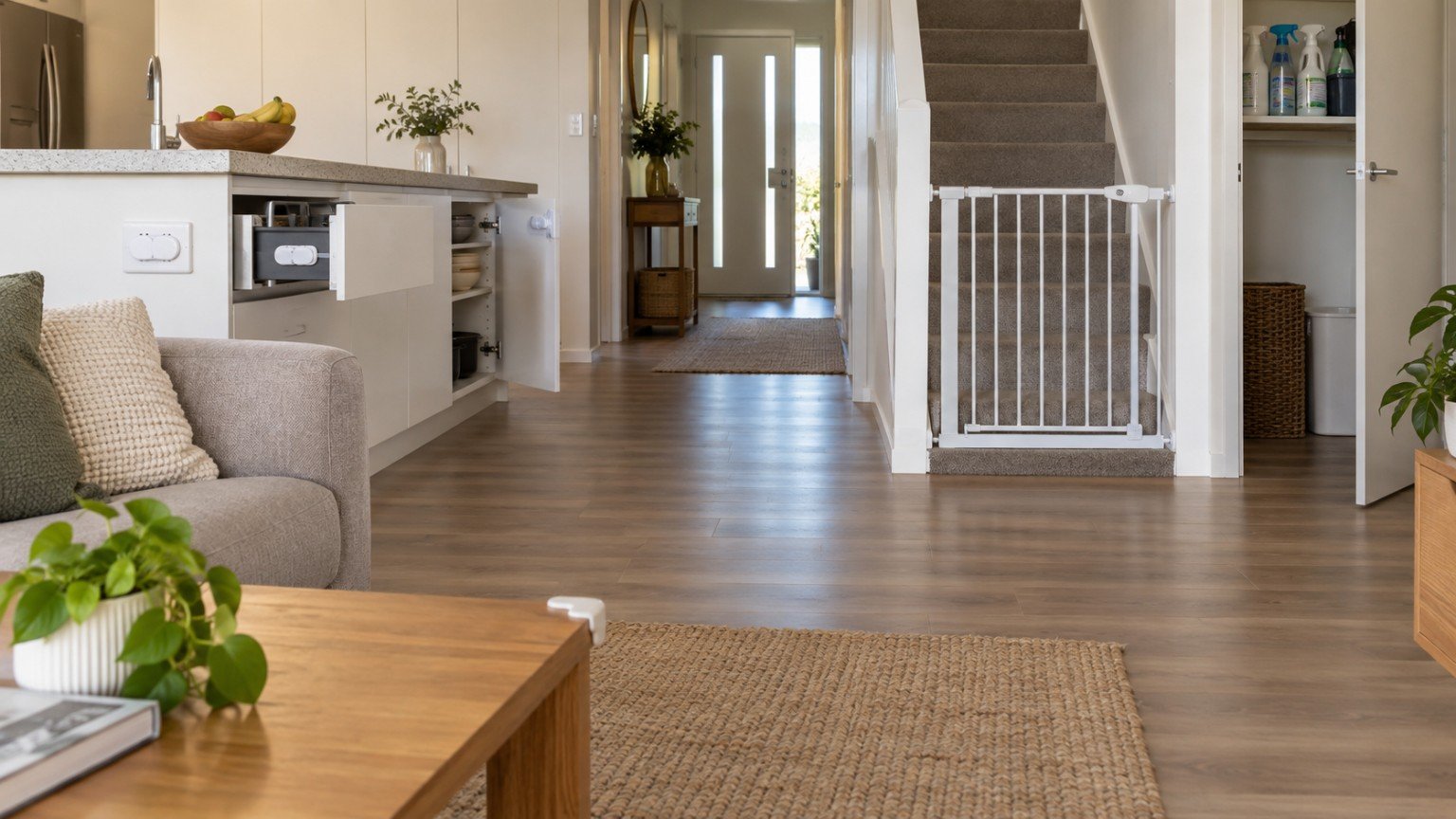
Childproofing a home tends to happen in bursts, usually right before or right after a baby starts crawling, when it becomes obvious just how many everyday household items are within reach of small, curious hands. Going room by room, rather than trying to fix everything at once, makes the job far more manageable and much less likely to leave gaps.
Living areas
- Anchor furniture to the wall. Bookcases, TV units, chests of drawers and any tall or top-heavy furniture should be secured to the wall with anchoring straps or brackets, since tip-over incidents involving unsecured furniture are a genuine and well-documented risk to young children. Most flat-pack and freestanding furniture comes with anchoring hardware for exactly this reason.
- Cover power points. Childproof power point covers are inexpensive and widely available, and are one of the simplest changes to make in any room with accessible outlets.
- Manage cords and cables. Blind and curtain cords, phone chargers and lamp cables should be secured out of reach or fitted with cord shorteners, since looped cords are a strangulation risk for young children.
- Pad or cushion sharp furniture corners. Corner guards on coffee tables and low furniture reduce injury risk once a baby is pulling up to stand or starting to walk.
- Secure the TV. Wall-mount where possible, or use an anti-tip strap if the TV sits on furniture.
Kitchen
- Fit cupboard and drawer latches on any cupboard within reach that contains cleaning products, sharp items or anything you do not want a toddler pulling out, particularly under-sink cupboards.
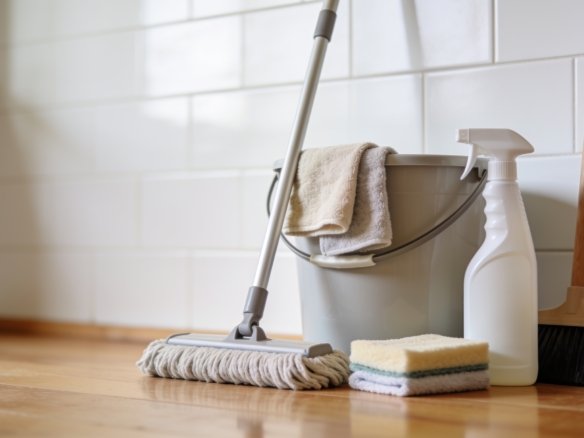
- Store cleaning products, dishwasher tablets and anything toxic up high, in a locked cupboard, or both. Dishwasher and laundry pods in particular are a known poisoning risk for young children because of their bright, appealing colours.
- Use back burners and turn pot handles inward when cooking, to keep hot cookware out of reach of grabbing hands.
- Keep the bin secured behind a latched cupboard or with a child-resistant lid where possible.
- Store knives, small appliances and anything with a cord well back from the counter edge, since a dangling cord can be enough for a child to pull an appliance down.
Bathroom
- Never leave a young child unattended in or near water, even briefly. This applies to the bath, and to any bucket, esky or container that could hold even a small amount of water.
- Fit toilet lid locks if a toddler is mobile, since toilets present a drowning risk for very young children.
- Store medications, vitamins and toiletries in a locked cabinet, out of sight and out of reach rather than on an open shelf or in an unlocked cupboard, even one that seems high up.
- Fit a non-slip mat in the bath or shower and check bathwater temperature by hand before placing a child in it, to guard against scalding.
- Consider a lower thermostat setting on the hot water system if scalding is a concern, since household hot water can reach temperatures that cause burns quickly.
Bedrooms and nursery
- Follow current safe sleep guidance for a baby’s sleep space: a firm, flat mattress, a fitted sheet, and nothing loose in the cot such as pillows, soft toys, bumpers or loose bedding, in line with current SIDS and Kids safe sleeping recommendations.
- Position the cot away from windows, blind cords and wall hangings that could be reached once a child can stand.
- Anchor any tall furniture in the room, including bookshelves and chests of drawers, the same way as in living areas.
- Fit window locks or restrictors on any window a child could open or fall through, particularly upstairs.
Stairs, hallways and doors
- Install safety gates at the top and bottom of stairs once a child is crawling, choosing gates rated for the specific location (top-of-stairs gates need to be hardware-mounted rather than pressure-fitted, since a pressure-fitted gate can give way under weight at the top of a staircase).
- Fit door stoppers or finger guards on doors that could close on small fingers.
- Keep hallways clear of trip hazards and anything that could be pulled down.
Laundry and garage
- Keep laundry detergents, especially pods, locked away rather than on a low shelf near the machine.
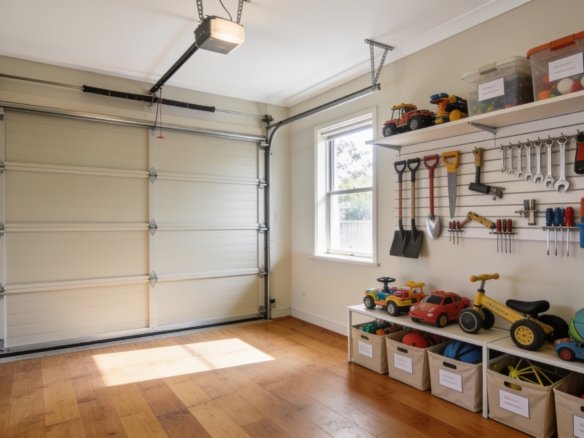
- Keep the laundry and garage doors closed or latched if either space stores tools, chemicals or anything else unsuitable for small children to access.
- Store any chemicals in their original, clearly labelled containers, never decanted into food or drink containers, since this is a common cause of accidental poisoning.
Outdoor areas
- Check pool fencing and gate self-closing mechanisms regularly if you have a pool, since compliant, well-maintained pool fencing is one of the most effective ways to prevent young children accessing water unsupervised. If you are ever unsure whether your fencing meets current requirements, a licensed pool safety inspector can check compliance for you.
- Remove or fence off any other standing water, including ponds, water features and stored containers that could collect rainwater.
- Check the garden for toxic plants and remove or fence off any within reach, since young children commonly put things in their mouths while exploring.
Childproofing is an ongoing process
A home that is safe for a six-month-old is not automatically safe for a mobile, curious two-year-old, so it is worth revisiting each room as your child’s abilities change, particularly around crawling, walking and climbing milestones. Getting down to a child’s eye level in each room is a simple, genuinely useful way to spot hazards an adult would otherwise walk straight past.
Join The Discussion