
 by
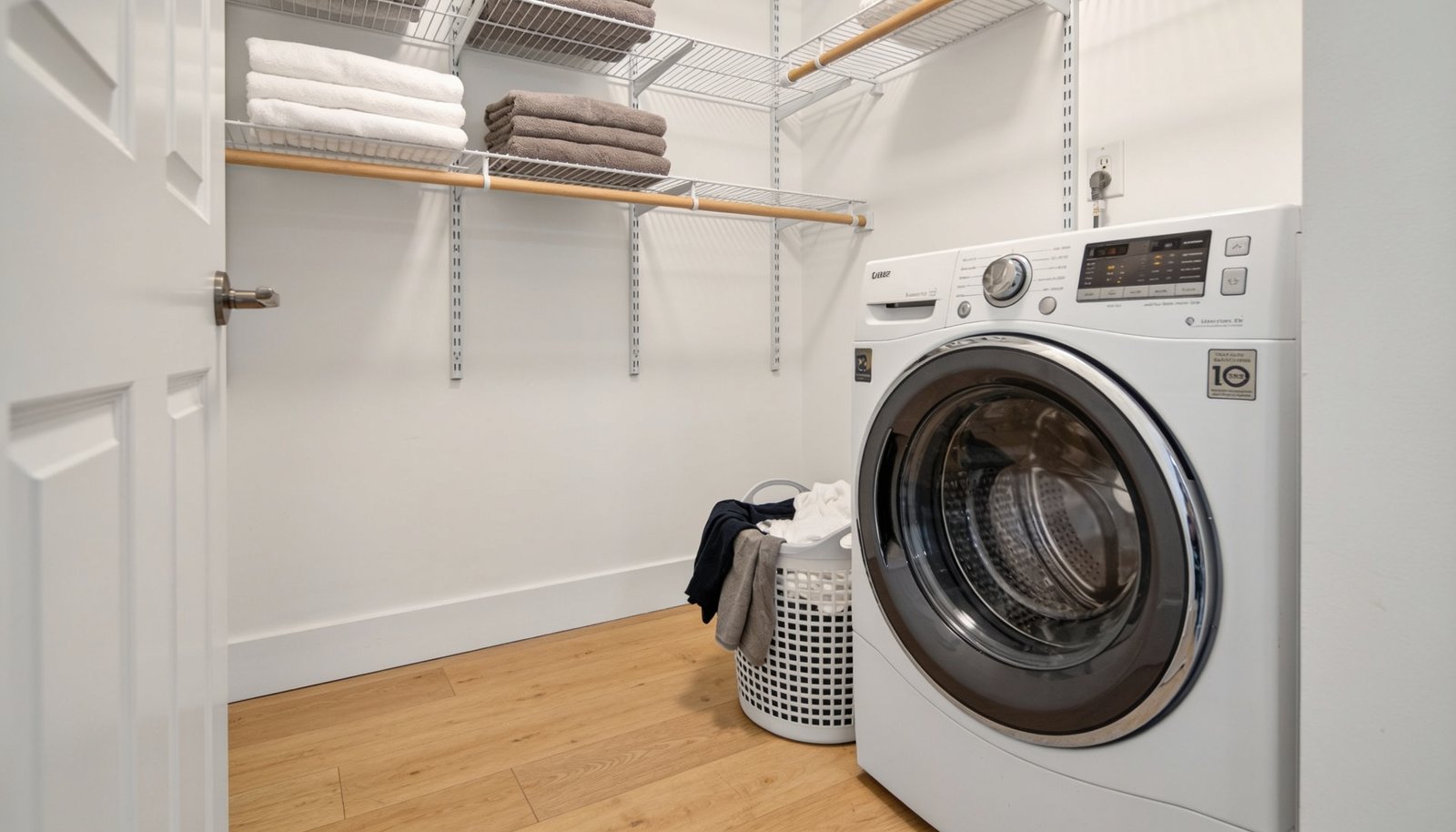
Managing laundry can feel chaotic when children are involved. A simple, consistent routine helps keep the process smooth and stress-free. This guide shows how to set up a system that works for everyday families.
Set a Dedicated Laundry Day
Choose one or two days each week to focus on laundry tasks. Having a set day removes the last-minute rush that often creates messes. Mark the day on a family calendar so everyone knows what to expect.
Prepare a small checklist that lists the steps to follow on laundry day. Keep the checklist on the fridge or in a visible spot near the washing machine. Use it as a quick reference to ensure no step is missed.
Encourage children to help by assigning simple roles, such as sorting or loading. These roles give them a sense of ownership and reduce the feeling of being a burden.
If the family has a shared online calendar, consider setting a reminder a few hours before laundry day starts.
- Choose specific days for laundry.
- Keep a visible checklist.
- Assign simple roles to children.
Create a Sorting Station
Set up a small table or counter near the washing machine with bins for whites, colours and delicates. Label each bin clearly with large, legible letters so children can identify them easily. Place a basket for items that need special attention, such as stains or fragile items.
Teach children how to read labels on clothing and sort accordingly. Explain that washing whites separately helps maintain brightness and prevents colour bleeding.
Keep a small pile of laundry bags for items that might get lost or tangled, like socks or small toys.
Encourage children to place garments in the correct bin as soon as they take them off.
- Set up dedicated bins.
- Label bins with clear letters.
- Use a bag for small items.
- Sort immediately after dressing.
Teach a Simple Washing Cycle
Show children how to load the machine without overloading it. Explain that a balanced load helps the machine run efficiently and keeps clothes clean.
Demonstrate how to add detergent, using the right amount for the load size. Show the detergent compartment and explain that too much can leave residue on clothes.
Explain the difference between the wash cycles and when to use each one. Use the simplest terms, such as quick wash for lightly soiled clothes and a longer cycle for heavily soiled items.
Encourage children to wait until the machine stops before opening the door, to avoid water spillage.
- Load without overloading.
- Add correct detergent amount.
- Choose appropriate wash cycle.
- Wait for machine to finish before opening.
Drying with a Twist
Teach children to remove clothes promptly once the cycle ends. Explain that hanging clothes immediately prevents wrinkles and reduces the need for ironing.
Set up a drying line or rack in a well-ventilated area, such as a balcony or a sunny corner of the living room.
Show children how to spread items evenly on the line to ensure quick drying.
If using a tumble dryer, demonstrate how to load it correctly, keeping the lint filter clean and the drum balanced.
- Remove clothes promptly.
- Use a drying line or rack.
- Spread items evenly.
- Keep dryer lint filter clean.
Fold and Store
Introduce a folding station with a flat surface and a small stack of folding mats or towels.
Teach children a basic folding technique: fold sleeves, then the body, and finally create a compact rectangle.
Show how to store folded items in drawers or bins labelled by type, such as shirts, pants, or underwear.
Encourage children to place each item in its designated spot immediately after folding, keeping the system tidy.
- Use a flat folding surface.
- Teach basic folding steps.
- Label storage drawers.
- Store items immediately.
Maintain the Routine
Set a gentle reminder for children to check the laundry station at the start of each day.
Encourage them to spot any missed items and add them to the next load.
Keep the washing machine and dryer clean by wiping down the exterior and checking for any build-up.
If a child notices a spill or a malfunction, advise them to inform an adult for safe handling.
- Daily station check.
- Add missed items promptly.
- Clean appliances regularly.
- Report spills or faults.
Safety First
Make sure all cords and hoses are kept out of reach of young children to prevent accidental pulling.
Teach children to never touch hot surfaces or open the dryer door while it is running.
If a child needs to use a ladder or access a high place, ensure a stable surface and adult supervision.
If any appliance requires professional maintenance, contact a qualified technician rather than attempting a repair.
- Keep cords out of reach.
- Never touch hot surfaces.
- Use stable ladders with supervision.
- Call professionals for repairs.
A consistent laundry routine turns a daily chore into a manageable task. With clear steps and simple roles, children become active participants, easing the load for everyone.


Join The Discussion