
 by
by 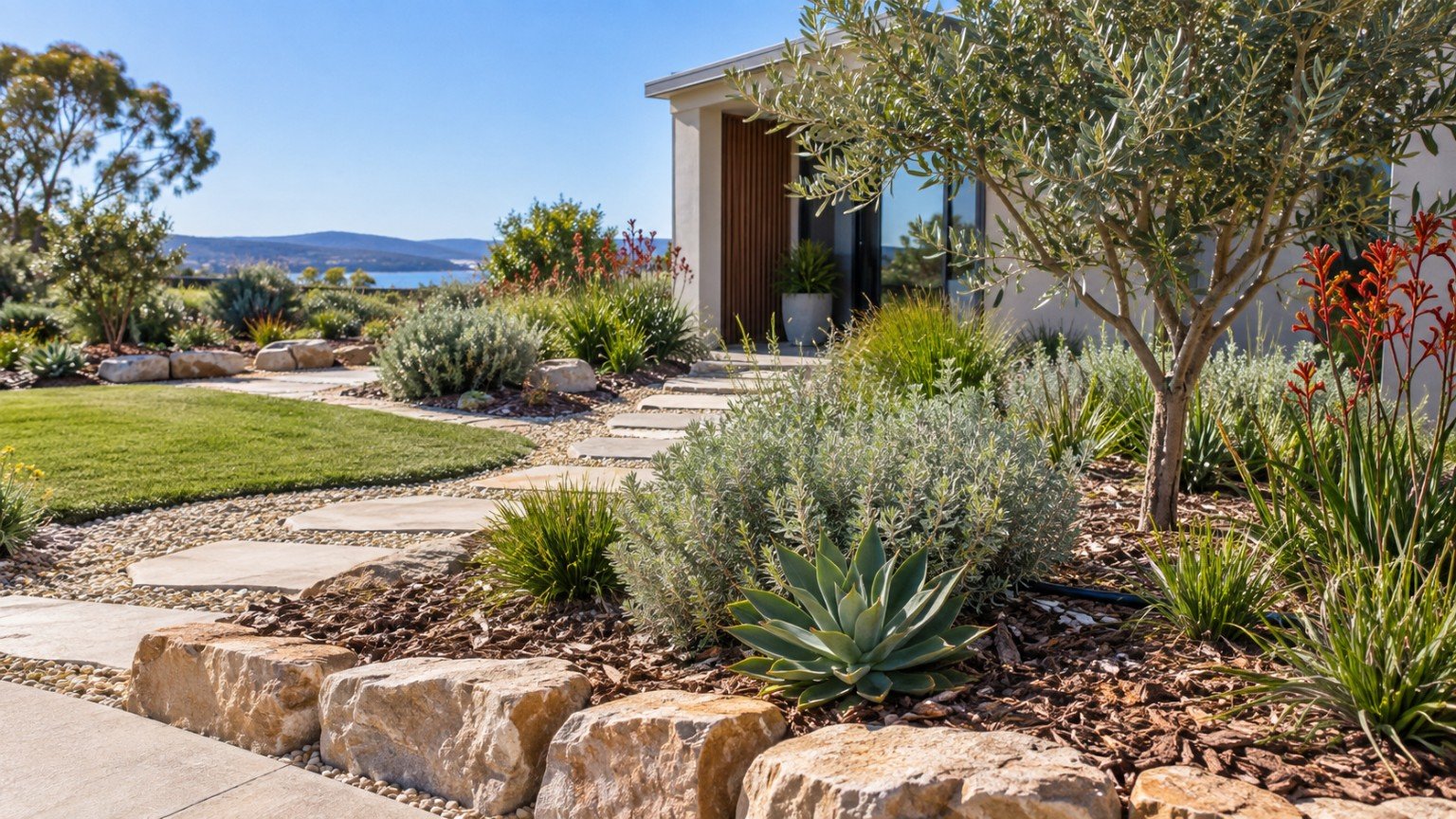
Australian summers are long, dry and often unpredictable, and a garden that relies on constant watering can quickly become a chore, not to mention a strain on the water bill. Building a low-water garden does not mean giving up on greenery or colour. With the right plant choices, soil preparation and a bit of smart design, it is entirely possible to have a garden that copes well with dry stretches while still looking good year-round.
Why low-water gardening makes sense in Australia
Much of Australia experiences hot, dry summers, and many areas face water restrictions at some point during a typical year. A garden designed around lower water needs is more resilient to these conditions, requires less time and effort to maintain, and tends to hold up better during extended dry periods than a garden built around thirsty, high-maintenance plants. It is also simply a more practical long-term approach, given how variable Australian rainfall can be from one year to the next.
Start with the soil
Good soil is the foundation of any low-water garden. Sandy soils drain quickly and struggle to hold moisture, while heavy clay can become compacted and shed water rather than absorbing it. Working organic matter such as compost or aged manure into the soil before planting improves its structure, helping sandy soil retain more moisture and helping clay soil drain and aerate better.
A generous layer of mulch, around 5 to 7 centimetres, spread over garden beds after planting makes a significant difference. Mulch slows evaporation from the soil surface, moderates soil temperature and helps suppress the weeds that compete with your plants for the limited water available.
Choose the right plants
Plant selection has the biggest impact on how much water a garden ultimately needs. Native Australian species are generally well adapted to local rainfall patterns and dry spells, since they have evolved to cope with exactly these conditions. Grevilleas, banksias, kangaroo paw, westringia and many eucalypt varieties are reliable performers in a low-water garden, though it is worth checking which natives suit your particular climate zone and soil type.
Mediterranean-climate plants such as lavender, rosemary, salvias and succulents are another strong option, since they come from regions with hot, dry summers similar to much of Australia. Grouping plants with similar water needs together, rather than mixing thirsty and drought-tolerant species in the same bed, also makes watering far more efficient, since you are not overwatering the drought-tolerant plants to keep the thirsty ones alive.
Water smarter, not more often
How you water matters as much as how often. Deep, infrequent watering encourages plants to develop deeper root systems that can access moisture further down in the soil, making them more resilient during dry spells. Frequent, shallow watering does the opposite, encouraging roots to stay near the surface where they dry out faster.
Watering early in the morning or in the evening reduces water lost to evaporation compared with watering in the middle of a hot day. A simple drip irrigation system or soaker hose, run on a timer, delivers water directly to the root zone with far less waste than an overhead sprinkler, and is well worth considering for garden beds that need regular watering, particularly in the first year while new plants are establishing.
Design choices that reduce water demand
Grouping plants by their water needs, sometimes called hydrozoning, means you can water each area appropriately rather than treating the whole garden the same way. Reducing the overall area of thirsty lawn in favour of garden beds, groundcovers or hardscaping such as gravel and paving can also cut water use significantly, especially in a garden with a large expanse of grass that gets little practical use.
Shade from trees or shade structures over garden beds and any remaining lawn area helps reduce evaporation and keeps the soil cooler, which in turn reduces how often the garden needs watering.
Give new plants the best start
Even the most drought-tolerant native or Mediterranean plant needs regular watering while it establishes a strong root system, usually for the first six to twelve months after planting. Planting in autumn or early spring, when temperatures are milder, gives plants a chance to settle in before facing the full heat of summer, and generally means less supplementary watering is needed to get them through their first hot season.
Maintaining a low-water garden through summer
Once established, a low-water garden still benefits from occasional attention during particularly hot or dry stretches. Topping up mulch as it breaks down, checking irrigation lines for blockages, and watching for signs of stress such as wilting or leaf drop all help keep the garden performing well. A low-water garden is not a “set and forget” garden, but it is significantly less demanding than a traditional water-hungry landscape, and far better placed to handle whatever a typical Australian summer brings.
With the right plant choices and a bit of upfront soil preparation, a genuinely attractive, low-water garden is achievable in most parts of the country, and it tends to become easier to maintain each year as plants mature and settle into the space.



Join The Discussion