
 by
by 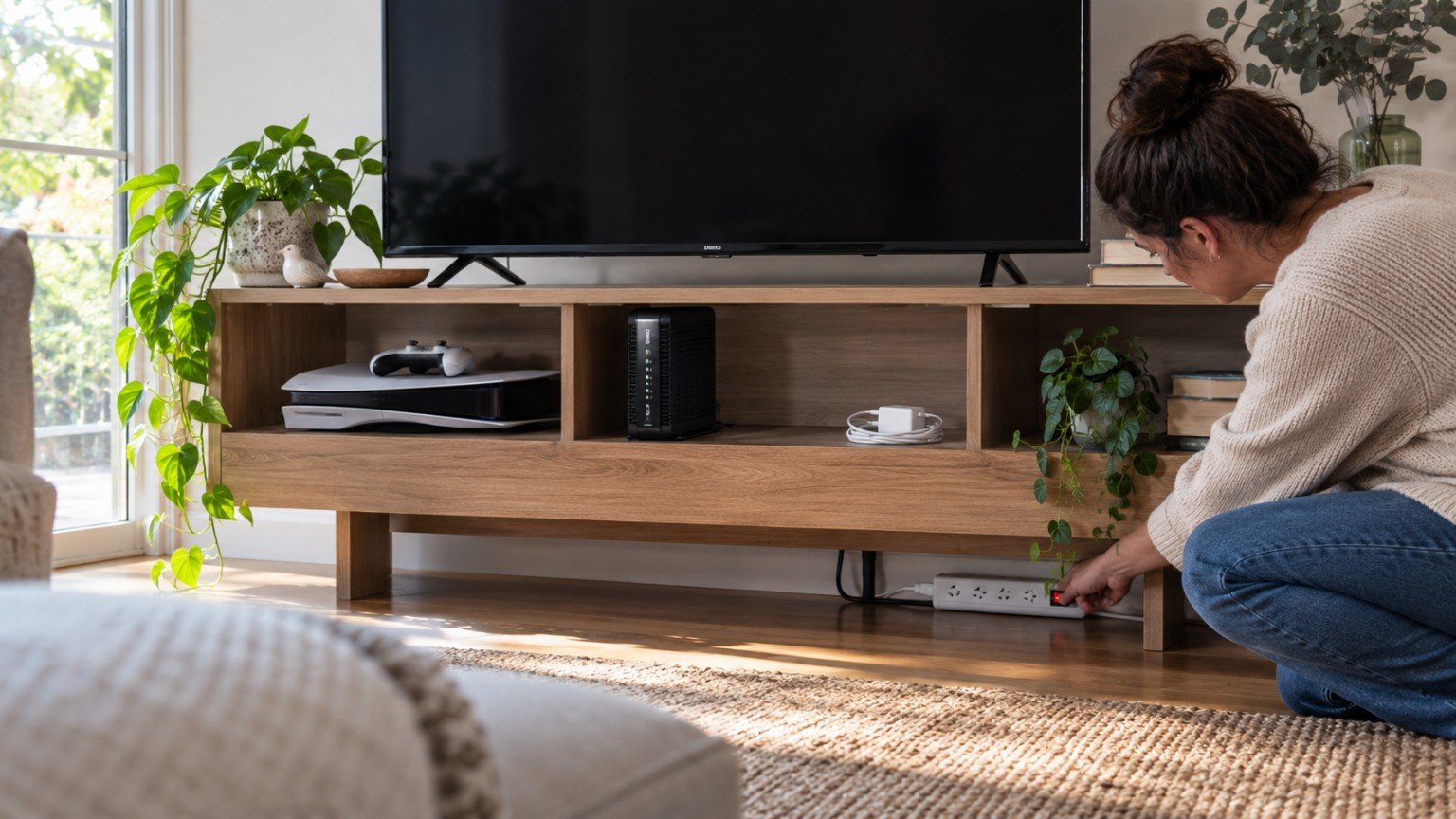
Standby power, sometimes called phantom or vampire power, is the electricity that appliances and electronics draw when they’re switched off but still plugged in and connected to power. Individually, each device draws very little. Added up across a typical household full of TVs, chargers, game consoles, set-top boxes and kitchen appliances, it can quietly become a meaningful slice of your electricity bill over a year.
Why devices use power when they’re “off”
Many modern appliances aren’t fully off in the way older devices used to be. They stay in a low-power standby state so they can respond instantly to a remote control, keep a clock or display running, maintain a network connection, or simply power up faster the next time you use them. This is convenient, but it means the device is drawing a small, continuous amount of electricity around the clock, whether you’re using it or not.
Which household devices typically draw the most standby power
Not every device is equal here. Some genuinely useful patterns show up in most Australian homes:
- Entertainment systems such as TVs, set-top boxes, game consoles and sound systems are among the most consistent standby draws, particularly older units or anything with an always-on network connection.
- Chargers left plugged in for phones, laptops and other devices still draw a small amount of power even with nothing connected to them.
- Kitchen appliances with digital clocks or displays, such as microwaves, ovens and coffee machines, draw power continuously to keep the display running.
- Routers and modems are usually left on deliberately for internet access, so they aren’t a good candidate for switching off, but it’s worth knowing they contribute to your baseline power draw.
- Printers, scanners and older desktop computer peripherals often have surprisingly high standby draw compared to their actual usage time.
Practical ways to cut it back
Switch off at the wall, not just the remote
The simplest fix is switching devices off at the power point rather than leaving them on standby via a remote or touch button. This fully disconnects the device from constant draw. It costs nothing and takes a moment as part of an evening or leaving-the-house routine.
Use a power board with an individual switch, or a smart power board
A power board that lets you switch off a whole cluster of devices (TV, console, set-top box) with one action makes this realistic to actually do every day, rather than something you mean to do but rarely follow through on. Smart power boards go a step further, letting you schedule devices to power down automatically overnight or when you leave the house.
Unplug chargers when they’re not in use
Phone and laptop chargers left plugged into the wall with nothing attached still draw a small amount of power. It’s a minor amount per charger, but multiplied across every charger in the house and every day of the year, it adds up.
Be selective about what actually needs to stay on
Not everything is worth the effort of switching off daily. Routers, for example, are usually best left running for convenience and to avoid a slow reconnection each time. The better approach is to target the devices with genuinely high standby draw and low reconnection cost, like TVs, consoles and set-top boxes, rather than trying to unplug everything in the house.
Check for a standby or eco mode setting
Many newer appliances and electronics have a genuine low-power standby mode you can enable in their settings, separate from their default standby draw. It’s worth checking the device’s settings menu or manual, particularly for TVs and set-top boxes, since this can reduce draw without needing to switch anything off at the wall at all.
How much difference this realistically makes
Standby power on its own is unlikely to transform a household’s electricity bill, since it’s a background draw rather than a major usage category like heating, cooling or hot water. Where it genuinely helps is as a low-effort, no-cost habit that stacks with other savings measures, like adjusting thermostat settings or switching to a better electricity plan. It’s the kind of change that costs nothing to start and keeps paying off every single day it’s in place.
A simple way to start
Rather than trying to overhaul every device in the house at once, start with the cluster around your TV and entertainment system, since that’s usually where standby draw is highest and a single power board switch makes it genuinely easy to maintain. From there, extend the habit to chargers and any kitchen appliances you don’t use daily.
Reducing standby draw works best as one part of a broader approach to household energy use rather than a standalone fix. Combined with reviewing your electricity plan and adjusting how you heat and cool your home, it’s one of the easiest habits to build and the easiest to sustain long term.



Join The Discussion