
 by
by 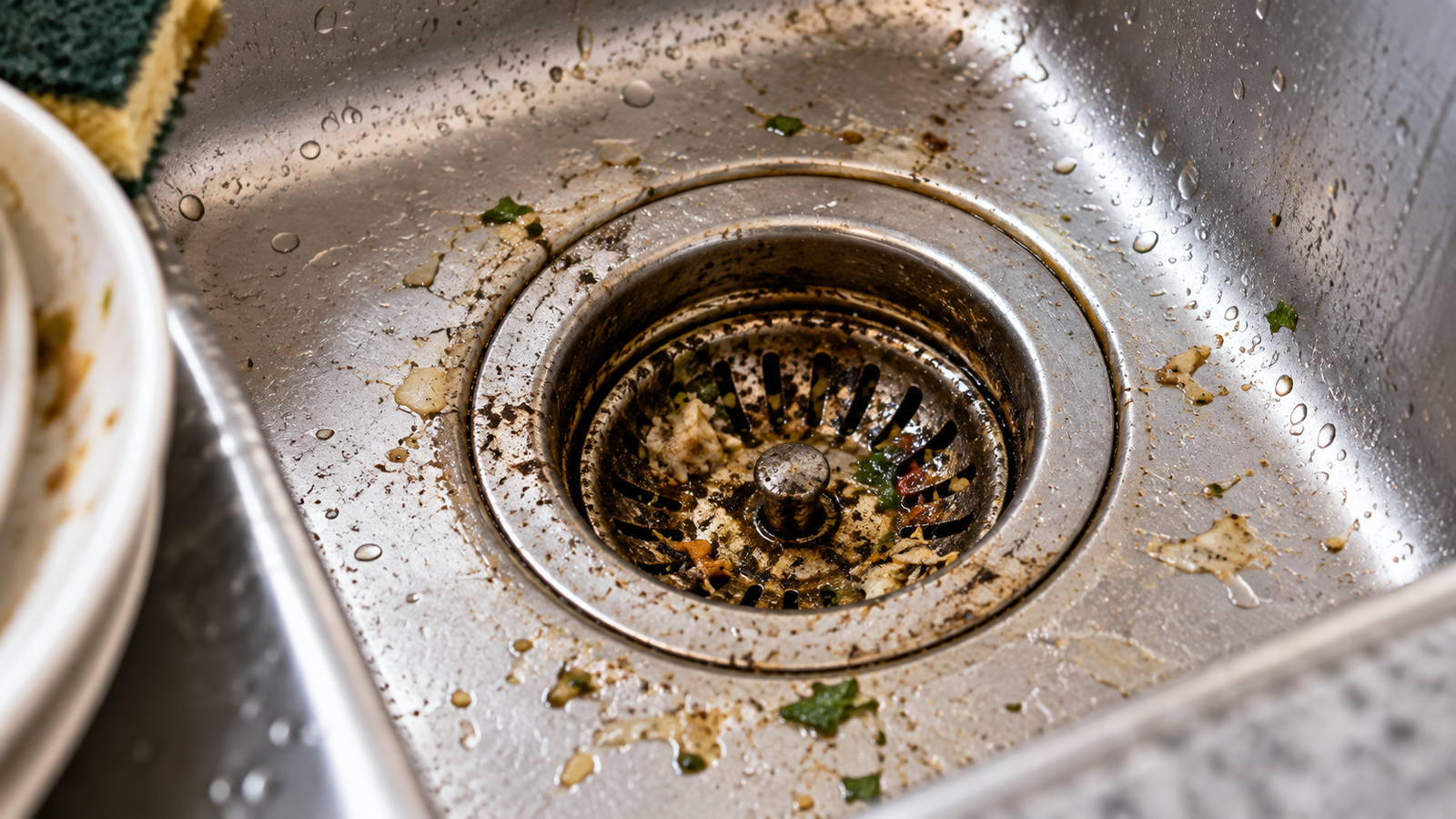
A persistent smell coming from the kitchen sink is a frequent household issue. Identifying the source of the odour is the first step toward resolving it safely. In Australian homes, understanding basic drain care helps maintain a fresh kitchen while ensuring compliance with state and national plumbing regulations.
Common Causes of Kitchen Sink Odours
Kitchen drain smells typically originate from a few distinct sources:
- Fats, oils, and grease (FOG): Pouring cooking fats or oily residue down the sink allows grease to collect along pipe walls, where it traps other waste.
- Decomposing organic food particles: Small pieces of food caught in the sink waste fitting or trap gradually decompose, producing foul odours.
- Bacterial slime: A layer of organic slime and bacteria can form inside drain pipes over time.
- Dry P-trap seal: The curved pipe under your sink (the P-trap or S-trap) holds a small amount of standing water. This water seal acts as a barrier to prevent sewer gas from escaping into the home. If a sink is unused for an extended period, this water seal can dry out, allowing sewer gas to rise into the kitchen.
Consumer-Safe Troubleshooting Steps
When dealing with minor drain smells, prioritise natural, non-corrosive cleaning methods before attempting any manual inspection or disassembly.
1. Perform a Hot Water Flush
Flushing the sink with hot water is an effective initial step. Hot water helps dissolve soft fats, oils, and grease (FOG) buildup and washes loose organic particles down the drainage system.
2. Use Bicarbonate of Soda and White Vinegar
For organic buildup and bacterial slime, bicarbonate of soda and white vinegar offer a gentle, non-corrosive cleaning option. Pouring bicarbonate of soda down the drain followed by white vinegar creates a mild effervescent reaction that helps loosen organic residue. Do not mix chemical products, as combining synthetic drain cleaners can release dangerous fumes or damage your plumbing components.
3. Manually Clean the Sink Strainer
Sink strainers and waste plugs accumulate food scraps over time. Remove the strainer basket and manually clean away trapped organic matter, grease, and residue using hot soapy water.
4. Clean the Removable P-Trap or S-Trap
If flushing and surface cleaning do not eliminate the smell, inspect and clean the removable P-trap or S-trap located beneath the sink.
Before opening any pipework, observe key safety precautions:
- Always isolate the water supply and relieve pressure before opening any pipe fittings or P-traps.
- Place a bucket beneath the trap to collect any trapped water and debris.
- Carefully unscrew the removable trap fittings, clear out accumulated food particles, grease, and bacterial slime, rinse the trap thoroughly, and reassemble the connections tightly.
Legal Requirements and Calling a Licensed Plumber
In Australia, the majority of plumbing work is legally required to be performed by a licensed plumber. It is critical to distinguish clearly between simple household maintenance and work requiring a licensed professional.
Homeowners can perform simple maintenance tasks, such as cleaning sink strainers, flushing drains with hot water or bicarbonate of soda and vinegar, and cleaning removable P-traps or S-traps.
However, you must stop work and refer to a licensed plumber if:
- The odour persists after completing basic cleaning and trap maintenance.
- The smell suggests an issue with the main sewer line.
- You suspect a structural issue or a concealed pipe leak behind walls or under flooring.
Safety Rules and Plumbing Prohibitions
To ensure safety and comply with Australian standards:
- Do not claim or assume that all plumbing maintenance can be performed by a homeowner.
- Do not attempt any work involving gas, water heaters, burst pipes, water mains, or backflow devices.
- Do not attempt to repair a fixture or valve if it will not shut off.
By using safe, non-corrosive cleaning methods for everyday maintenance and relying on a licensed plumber for complex or persistent issues, Australian households can manage kitchen sink odours safely and effectively.

Join The Discussion