
 by
by 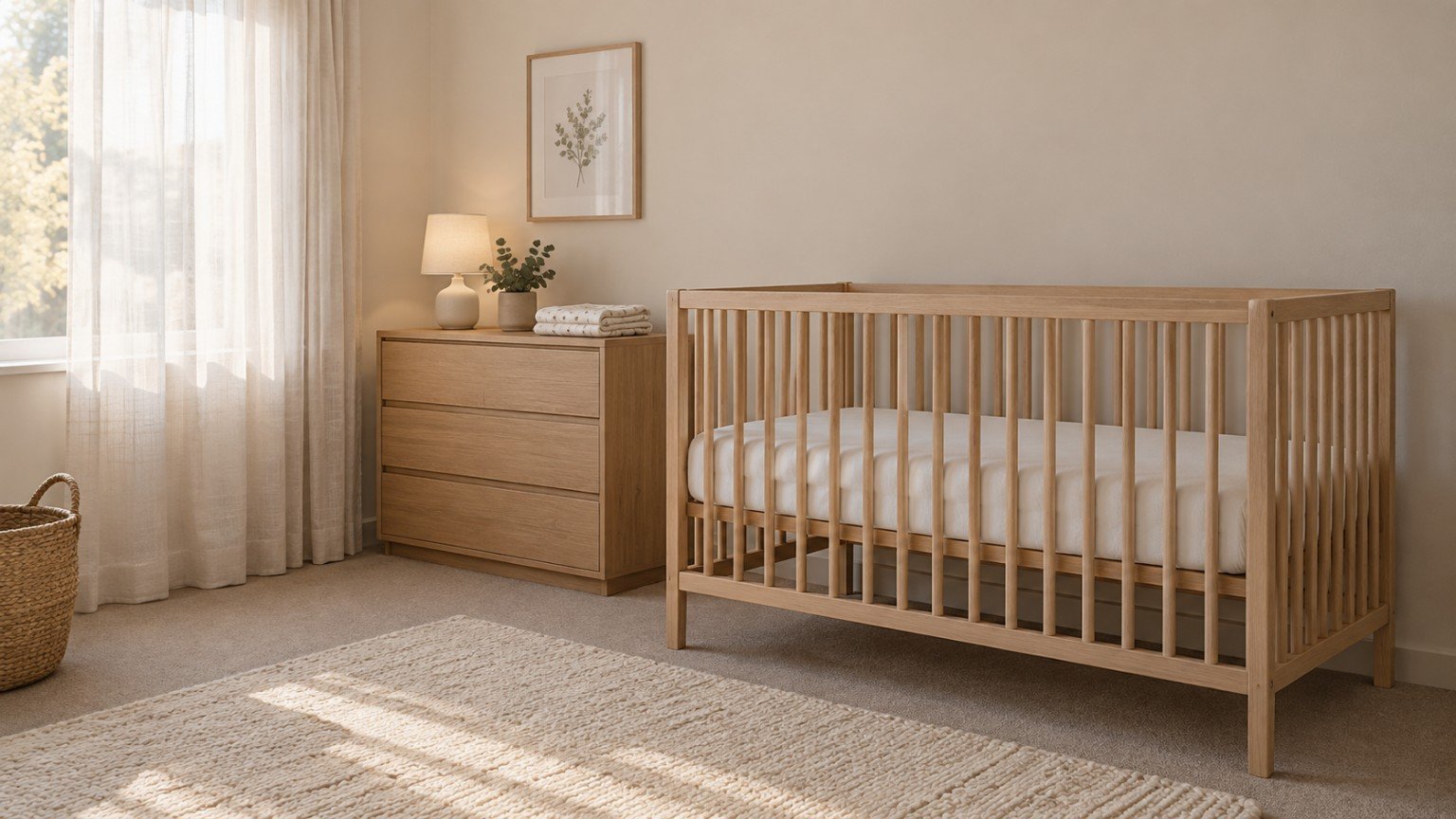
Creating a safe sleep environment for an infant involves applying national evidence-based guidelines developed by Australian safety and health authorities. By focusing on compliant nursery furniture, strategic room placement, and correct bedding practices, parents and caregivers can establish a clean, low-risk sleeping area.
Choosing a Cot and Mattress to Australian Standards
Every household cot sold in Australia must meet the mandatory Australian standard AS/NZS 2172. For parents utilizing portable or folding cots, the relevant standard is AS/NZS 2088. Verifying that furniture adheres to these standards helps ensure that structural gaps, drop-side mechanisms, and overall designs meet tested safety criteria.
When placing a mattress inside a cot, checking the fit is essential. When the mattress is pressed firmly to one side, the gap between the mattress and the cot sides or ends must be no more than 20mm (2cm). A gap wider than 2cm creates a risk where an infant could become trapped.
The ACCC recommends checking products regularly for damage to ensure they remain compliant with safety standards. Over time, hardware can loosen or components may suffer wear, making ongoing inspection an important habit.
Room Sharing and Cot Location
Room arrangement plays a major role in establishing a protective environment. Australian health recommendations state that babies should sleep in their own safe sleeping space in the same room as parents or caregivers for the first 6 to 12 months. Keeping the cot near the parents’ bed allows for close monitoring while ensuring the baby has a dedicated, individual sleep space.
The position of the cot relative to household features is equally critical. Keep cots positioned safely away from window blinds, blind cords, electrical cords, and lamp wires to prevent strangulation hazards. Additionally, ensure that the sleeping environment is entirely smoke-free.
Preparing a Clear, Firm Sleep Surface
The sleep surface itself must be firm, flat, level, and clean. Soft or uneven surfaces can impede breathing if a baby turns during sleep.
To keep the sleep surface safe, avoid adding soft or padded items inside the cot. Australian national authorities emphasize that the following items are not safe to keep in a cot:
- Pillows
- Cot bumpers
- Quilts and duvets
- Sheepskins
- Soft toys
- Weighted sleep products
Removing these items reduces hazards inside the cot and prevents loose fabric from covering the baby’s face.
Positioning Your Baby and Selecting Bedding
Routine sleep practices must be followed consistently whenever a baby is placed in their cot:
Back Sleeping: Babies must be placed on their back to sleep from birth. Back sleeping keeps airways open and clear.
Feet to Foot Position: Position the baby with their feet at the bottom of the cot. This ‘feet to foot’ placement stops the baby from sliding further down under any covers.
Uncovered Head and Face: Keep the baby’s head and face uncovered during sleep. Avoid beanies, hats, or headwear indoors, as these items can slip down or lead to overheating.
Bedding Options: Use a well-fitted baby sleep suit designed with fitted neck and armholes and no hood. If choosing traditional bedding instead, use light sheets or blankets and tuck them firmly up to the chest level only.
Guidance and Consultations
Following mandatory standards and authority guidelines creates a structured foundation for setting up a nursery space.
This information is for general guidance only. Readers should consult a medical professional or child health nurse for specific advice regarding their baby’s health or sleep needs.


Join The Discussion