
 by
by 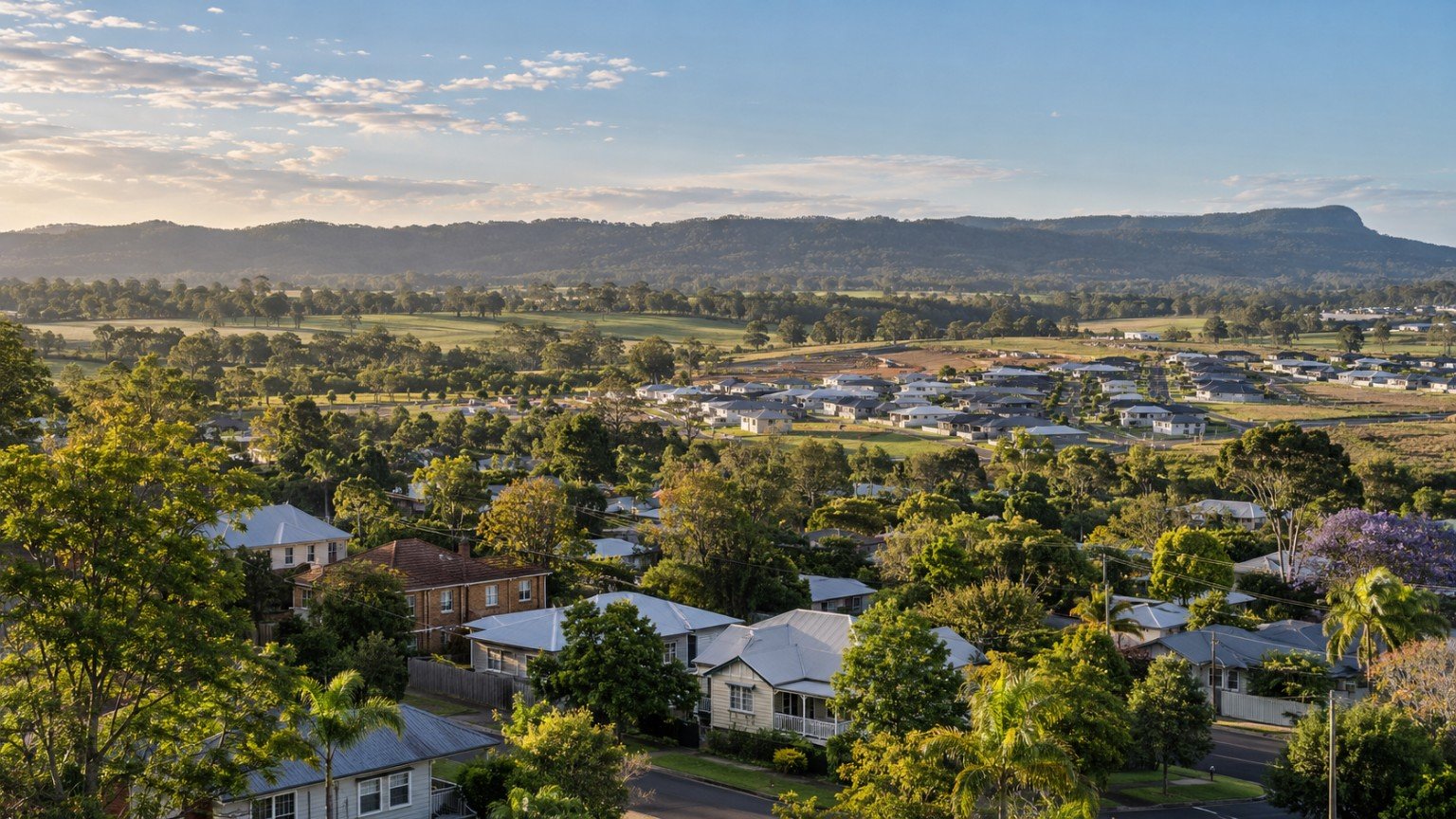
Ipswich sits west of Brisbane and, like much of South East Queensland, includes both long-established suburbs and large, still-developing growth areas. Two of its growth precincts, the Ripley Valley and Greater Springfield, are significant enough that the Queensland Government originally declared them Priority Development Areas, meaning development within these specific precincts can be assessed under a tailored planning framework rather than standard council zoning alone. Understanding this distinction is genuinely useful before you start looking at a specific Ipswich address.
Priority Development Areas: What This Means for Buyers
A Priority Development Area (PDA) declaration allows the state government to set its own development scheme for a precinct, separate from the usual local council planning scheme. In practice, this has supported large-scale, master-planned growth in areas like Ripley and Greater Springfield, with infrastructure, schools and town centres planned in a coordinated way as the population grows. If you are looking at a property in one of these precincts, it is worth understanding that the applicable planning framework may differ from a standard Ipswich City Council zoning check, so confirm which scheme actually applies to the specific address.
Established Ipswich vs Growth-Corridor Suburbs
Ipswich also includes long-established suburbs with a settled character, alongside these newer, large-scale growth precincts. As with any local government area that mixes both, research priorities differ: an established suburb generally means checking existing infrastructure and known zoning, while a growth-corridor suburb means also checking staged delivery, what infrastructure is planned but not yet built, and any precinct-specific development conditions.
Transport and Commute Considerations
Ipswich sits on the Ipswich rail line into Brisbane’s CBD, with additional stations serving some of the newer growth precincts, though not every suburb within a large precinct like Greater Springfield has equal rail access. Road access via the Ipswich Motorway and Centenary Highway is also a major factor for commuters. Check actual transport options for a specific address rather than assuming corridor-wide access.
Schools and Family Considerations
As with anywhere in Queensland, verify the school catchment for a specific address rather than relying on a suburb’s general reputation. See our guide to school catchments in Queensland for how to check using the Department of Education’s EdMap tool. In Ipswich’s growth precincts specifically, school infrastructure has been actively expanding, so it is worth checking whether a new school has been announced or is under construction near a specific address.
Where to Find Suburb-Level Detail
Narevella has a full suburb guide for Ripley, covering its location, planning and infrastructure in more depth than an Ipswich-wide overview can provide. As more of our Ipswich suburb guides are published, they will offer the same level of specific detail for other precincts.
Why You Should Compare Suburbs, Not Treat Ipswich as One Market
Given the range from established suburbs to large, still-developing PDA precincts, a general reputation for “Ipswich” tells you very little about a specific street. Shortlist a small number of suburbs based on your own priorities and research each one individually.
Where Narevella Can Help
Our free Compare Suburbs tool can help you compare specific Ipswich suburbs once you have a shortlist, and our Queensland Property Research Checklist offers a general due-diligence framework to apply to any address you are considering.
Disclaimer
This guide provides general research information only and does not recommend any particular suburb or area within Ipswich. Planning frameworks, transport and infrastructure information can change. Always verify current details for the specific address you are considering.



Join The Discussion