
 by
by 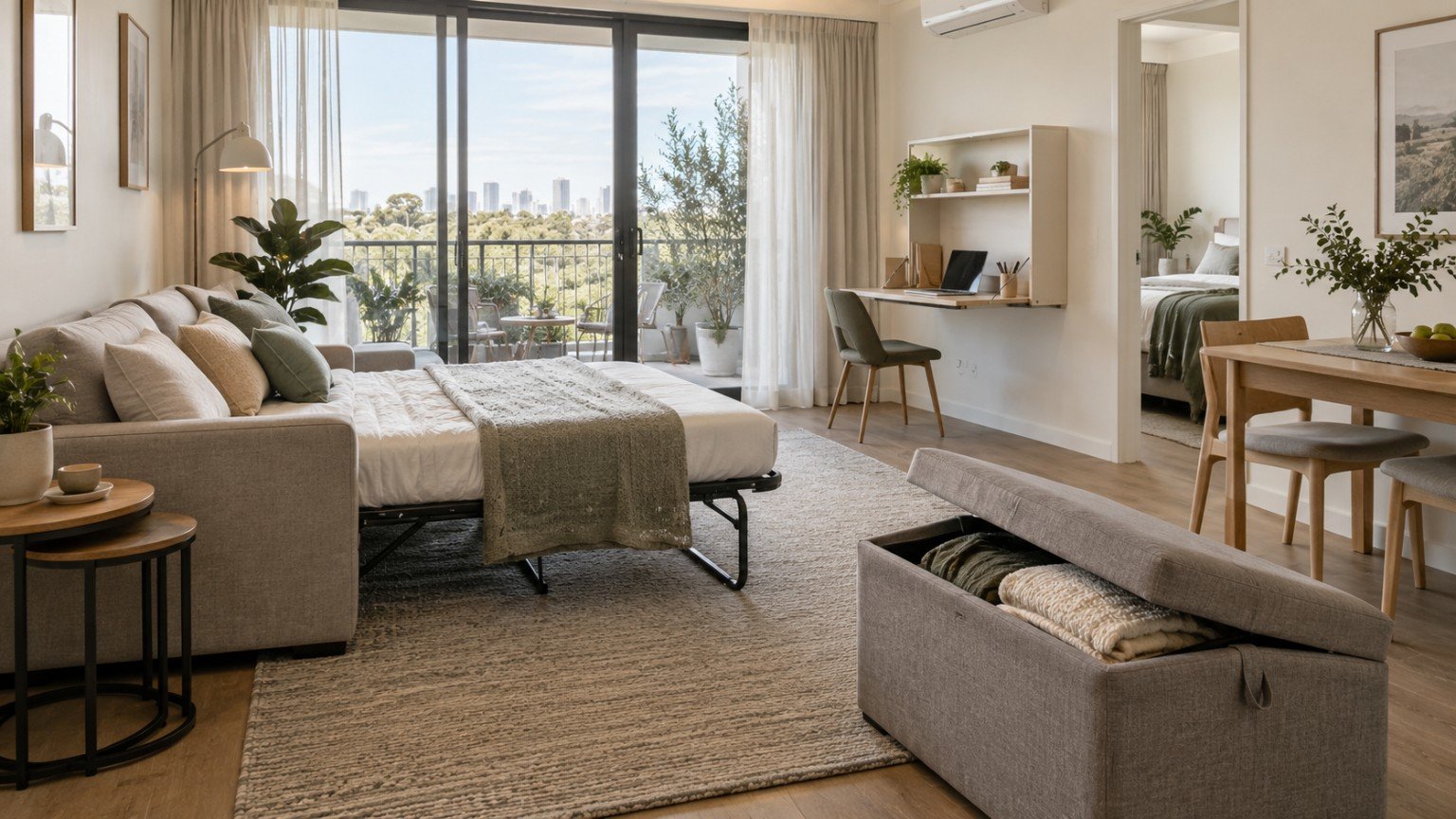
Anyone living in a small apartment knows the challenge isn’t just fitting furniture into a room, it’s making sure every piece earns its place. Multi-functional furniture, pieces that do two or three jobs instead of one, is one of the most effective ways to make a compact space feel liveable without constant compromise. The trick is choosing pieces that genuinely solve a problem rather than gadget furniture that looks clever in a showroom but is awkward to actually use.
What makes furniture genuinely multi-functional
The best dual-purpose furniture tends to combine two needs that naturally coexist in a small space: seating and storage, a surface and a bed, or a work area and a dining spot. It should be easy to switch between functions without wrestling with it, sized to fit through a standard doorway and hallway, and sturdy enough to handle daily use. A piece that technically “does two things” but is a hassle to convert usually ends up stuck in one mode anyway, which defeats the purpose.
Ideas by room
Living room
A storage ottoman is one of the simplest wins: extra seating, a footrest, and a place for blankets, remotes or board games out of sight. Sofa beds have improved considerably in comfort in recent years and are worth considering if the living room occasionally doubles as a guest space. A coffee table with a lifting top or hidden storage underneath adds a workspace or extra storage without adding another piece of furniture to the room.
Bedroom
A bed base with built-in drawers is one of the highest-value swaps in a small apartment, since it turns otherwise wasted under-bed space into genuine storage for linen, out-of-season clothing or spare items. A slim console or narrow desk that doubles as a bedside table can free up floor space that a separate desk would otherwise take. Wall-mounted or floating shelving above a bed head also adds storage without eating into the floor plan.
Home office or study nook
A fold-down wall desk is worth considering for anyone who only needs a work surface part of the day, since it disappears against the wall when not in use. A desk with a drawer or shelf underneath keeps a laptop, cables and paperwork contained rather than spread across a dining table. Stackable or nesting stools are useful here too, doubling as extra seating for visitors and tucking away neatly the rest of the time.
Dining and kitchen
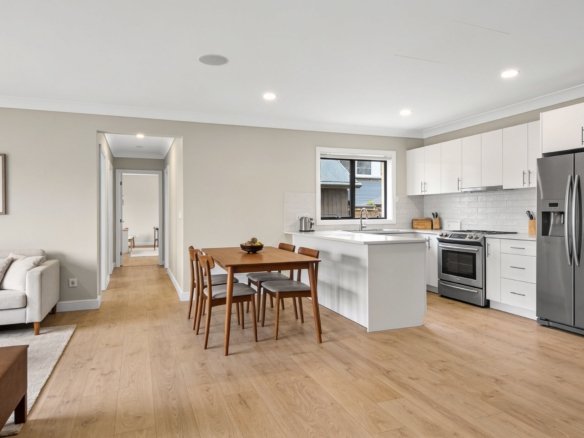
An extendable or drop-leaf dining table is genuinely useful in an apartment, staying compact for everyday meals and expanding when guests come over. A kitchen cart or bar cart on wheels can add bench space and storage in a small kitchen and be moved out of the way when it isn’t needed. Stools that slide fully under a bench or table, rather than sitting out permanently, also help keep walking space clear.
What to check before buying, especially as a renter
A few practical checks before committing to a piece will save headaches later. Measure doorways, hallways and stairwells, not just the room itself, since getting furniture in and out is often the real constraint in an apartment. Favour pieces that don’t require drilling into walls if you’re renting, since most rental agreements limit permanent fixtures, and look for freestanding or leaning shelving instead of wall-mounted units where that’s a concern. Weight matters too: furniture that’s easy for one or two people to lift is far more practical for anyone likely to move again within a year or two, which describes most renters. Finally, check genuine load capacity for anything doing double duty as both storage and a surface, since a coffee table advertised as storage isn’t much use if the lid can’t safely take a laptop or a cup of tea.
Furnishing for how you actually live
Multi-functional furniture works best when it’s chosen around real daily habits rather than an idealised version of how a room might be used. A fold-down desk is only useful if it’s actually easy enough to set up and pack away that you’ll bother doing it. The most successful small-apartment setups tend to combine a small number of genuinely flexible pieces rather than trying to make every single item do multiple jobs, which quickly gets impractical. Done well, it means a small footprint doesn’t have to mean a cramped or compromised home.
Join The Discussion