
 by
by 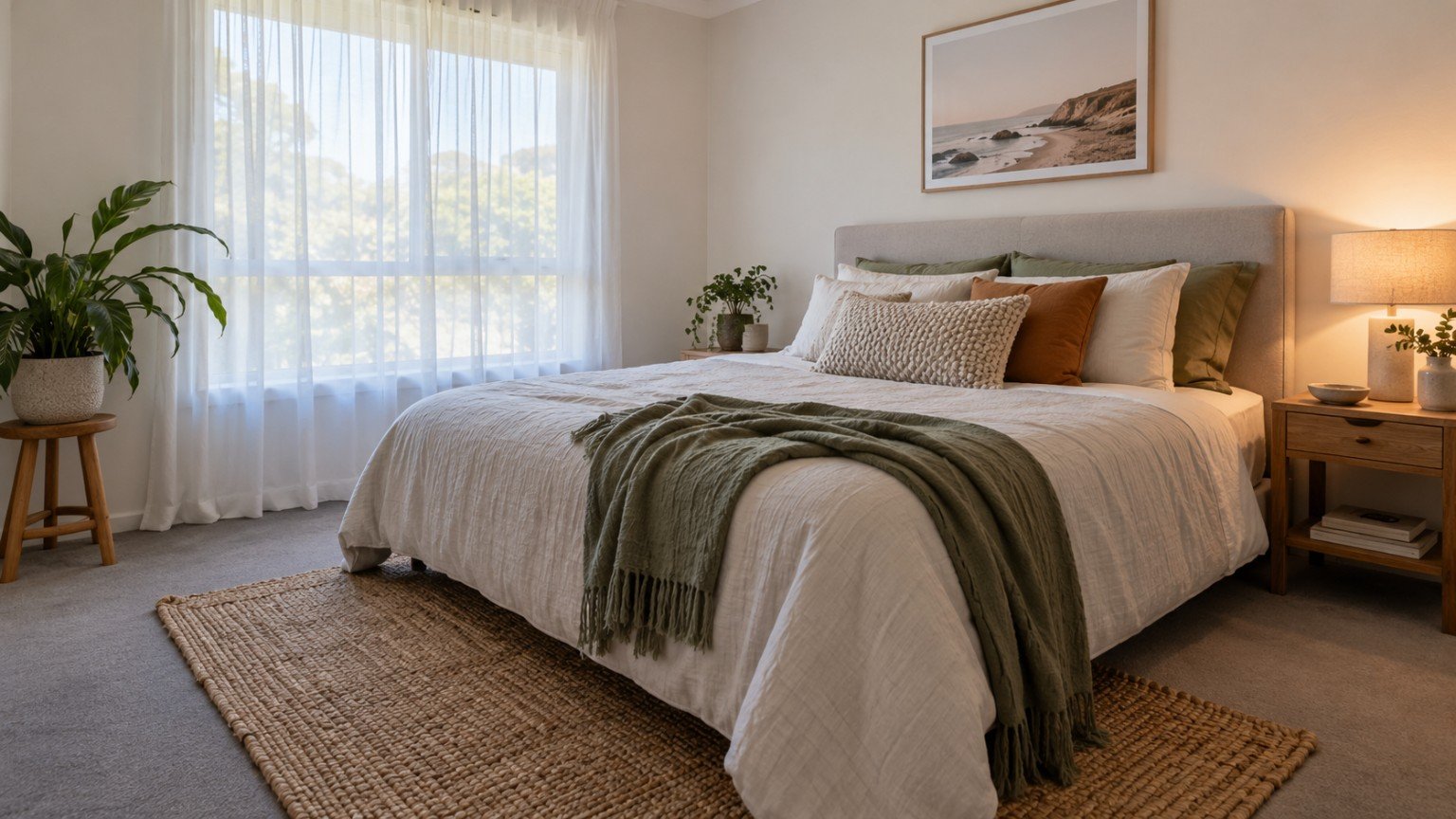
A full room refresh sounds like it should cost a lot more than it actually needs to. With a clear plan and a firm budget, it is genuinely possible to make a room feel noticeably different, tidier, more cohesive and more like a space you enjoy being in, for under $200. The trick is being deliberate about where the money goes, and getting the most out of what you already have before you buy anything new.
Set a simple budget breakdown
Before buying anything, decide roughly how the $200 will be split. A workable starting point for most rooms looks something like this:
- $0 to $20: cleaning supplies and small fixes (see below)
- $40 to $80: textiles (cushions, a throw, new bedding, or a rug if needed)
- $30 to $60: one or two decorative pieces (a mirror, artwork, a plant, or new lighting accents)
- $20 to $40: hardware swaps (cabinet handles, curtain tie-backs, a new lampshade)
- A small buffer left over for whatever the room genuinely turns out to need most
The exact split will vary depending on the room, but having a rough plan before you shop stops the budget disappearing on things that do not move the needle.
Start with what stays
Before spending a cent, go through the room and separate what is staying from what might go. A genuinely thorough clean, decluttering surfaces, and a fresh coat of care on existing furniture (a wood polish, a wipe-down, cushions plumped and rearranged) makes a bigger visual difference than most people expect, and it is free. A room that is simply clean, tidy and free of visual clutter often looks close to “refreshed” before you have spent anything at all.
Small paint and colour changes
A full repaint is rarely realistic within this budget, but small, targeted colour changes can be. A single feature wall in a small room, a can of paint for an old side table or bookshelf, or even just repainting a scuffed skirting board can shift how the whole room reads. If you are renting, check your lease before painting any surface, and consider renter-friendly alternatives like removable wall decals or a large piece of framed artwork instead.
Textiles that change the feel of a room
Soft furnishings are one of the most cost-effective ways to change a room’s mood. A few options that go a long way for the money:
- New cushion covers rather than entirely new cushions
- A throw blanket in a texture or colour that contrasts with the existing furniture
- Fresh bedding for a bedroom refresh
- A budget-friendly rug, even a smaller one layered over existing flooring, to define a seating or bed area
Styling and rearranging for free
Simply rearranging furniture and decor you already own can make a room feel new. Try moving furniture to open up the space differently, regrouping shelf items so they look more curated rather than scattered, or swapping decorative pieces between rooms so nothing has gone stale from being in the same spot for years. This costs nothing and often has the single biggest visual impact of anything on this list.
Where to spend the last of the budget
Once the free changes are done and the big-impact textiles are sorted, spend whatever is left on one or two considered pieces rather than several small, forgettable ones. A single well-placed mirror can make a room feel larger and brighter. A statement plant in a good pot adds life to a corner. A new lampshade or a set of cabinet and drawer handles can modernise furniture that is otherwise perfectly fine. Buying one thing you genuinely like tends to be more satisfying, and looks better, than five things bought just to fill the budget.
A realistic order of operations
- Declutter and deep clean the room first, for free
- Rearrange existing furniture and decor
- Add textiles for warmth and colour
- Make any small paint or hardware changes
- Spend what’s left on one or two standout pieces
Done in that order, a $200 budget goes noticeably further than spending it all upfront on new items before making the most of what is already in the room.
Join The Discussion