
 by
by 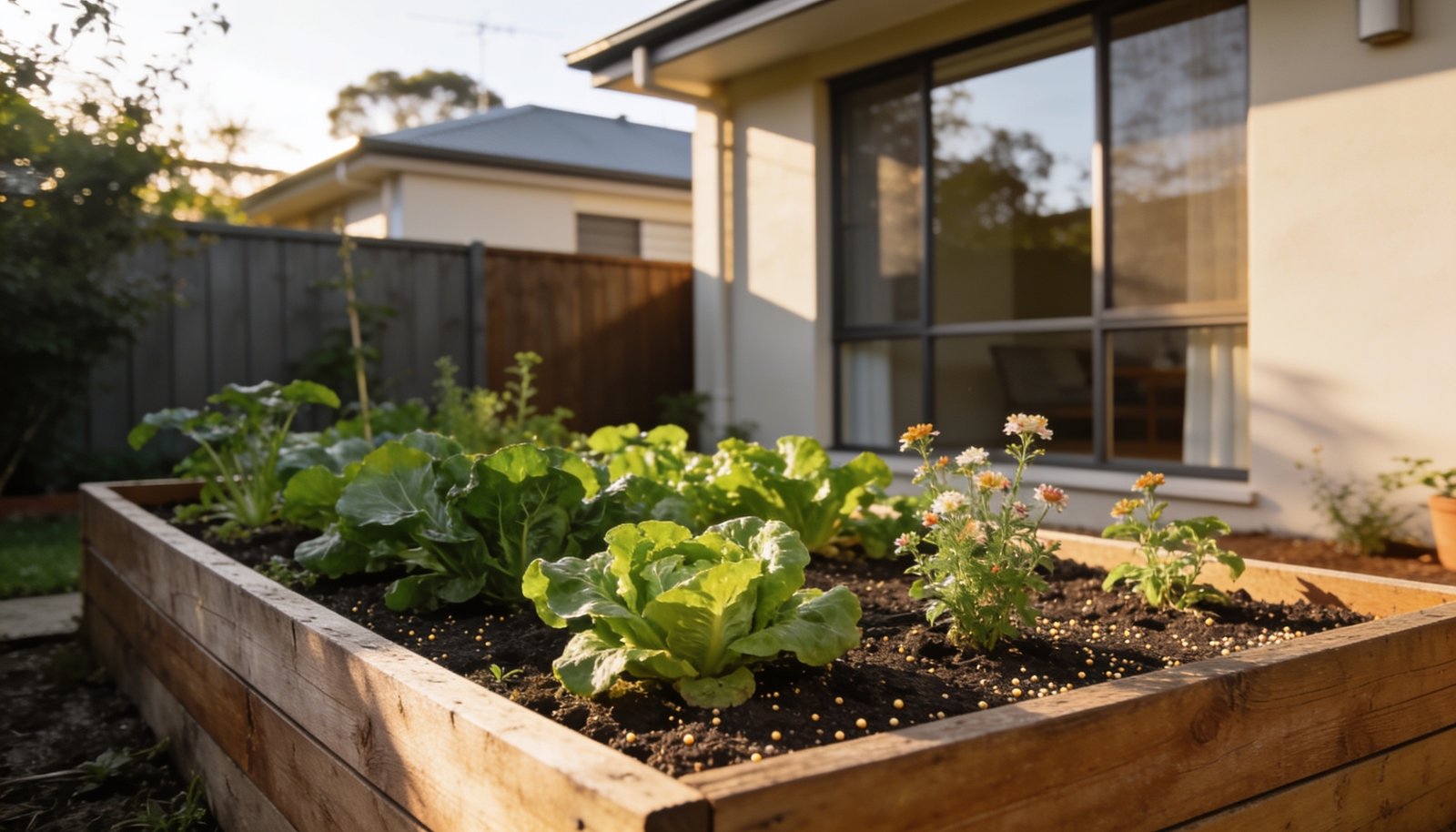
Managing snails in a home vegetable patch without chemical pellets requires an integrated strategy built around sanitation, cultural practices, and physical deterrents. Snails thrive in damp, dark environments, making targeted cultural adjustments one of the most reliable ways to limit their activity. Because no single method provides complete eradication, combining multiple non-pellet measures helps safeguard crops while keeping the garden ecosystem balanced.
Garden Sanitation and Cultural Practices
Garden sanitation serves as the foundation of effective snail management. Snails rely on sheltered refuges during the heat of the day, congregating under dense weeds, fallen leaves, timber scraps, and accumulated garden debris. Clearing these resting spots reduces the sheltered areas available near your vegetable beds. In addition, pruning lower foliage so that plant leaves do not touch the surrounding soil prevents snails from using leaves as bridges to crawl onto crops.
Adjusting your irrigation schedule also impacts snail movement. Watering your garden in the morning ensures that soil surfaces have sufficient time to dry out before nightfall. Because snails rely on surface moisture to move effectively, dry overnight topsoil significantly restricts their ability to travel across garden beds to feed on tender seedlings.
Physical Deterrents and Barriers
Physical barriers create continuous boundaries that discourage snails from entering growing areas. Copper tape or copper wire can be installed around raised bed edges or pot rims. When a snail attempts to cross copper, the metal reacts with the moisture in its slime to produce a mild electrostatic response that prompts the pest to turn back.
Abrasive barriers placed around seedling stems offer additional protection. Useful materials include crushed eggshells, coarse sand, biochar, and diatomaceous earth. These gritty substances create uncomfortable surfaces for soft-bodied pests to traverse. However, certain materials, such as diatomaceous earth and wood ash, lose their effectiveness once they become wet. Monitoring these barriers and reapplying them after rain or irrigation helps maintain their physical presence.
Trapping and Manual Removal
Active removal remains an effective approach for managing snail populations in targeted areas. Decoy hides can be created by placing cardboard, inverted garden pots, or hollowed-out citrus halves near vulnerable plants. Snails cluster beneath these dark, moist shelters during the morning, allowing for simple manual collection. Direct nocturnal hand-picking with a light source after dark is another targeted way to lower numbers. Beer traps can also be positioned around garden beds to lure and capture active snails.
Supporting Natural Predators
Encouraging local biodiversity provides ongoing natural assistance in the garden. Predators such as blue-tongue lizards, frogs, and insectivorous birds naturally consume snails and help control their population levels over time. Creating welcoming garden habitats, including shelter rocks, low native ground covers, and shallow water sources, helps attract and support these beneficial animals.
Food Safety and Regional Considerations
When harvesting homegrown produce, practicing basic food-safety hygiene is essential. Always wash all vegetables thoroughly before consumption and ensure correct identification of every harvested plant. Gardeners should also keep in mind that Australia spans tropical to cool temperate zones. Planting schedules, growing conditions, and suitable vegetable varieties vary by region.
Important Guidance and Disclosures
This information provides general DIY gardening guidance and is distinct from professional pest management. If any pesticide product is used on the property, it must be applied strictly per the Australian product label, kept away from food surfaces, and stored securely out of reach of children and pets. Do not mix garden chemicals or pesticides, and never use any product in a manner not explicitly allowed by its manufacturer. For significant or repeat infestations, consult a licensed pest controller, as DIY measures should not replace professional assessment.
Join The Discussion