
 by
by 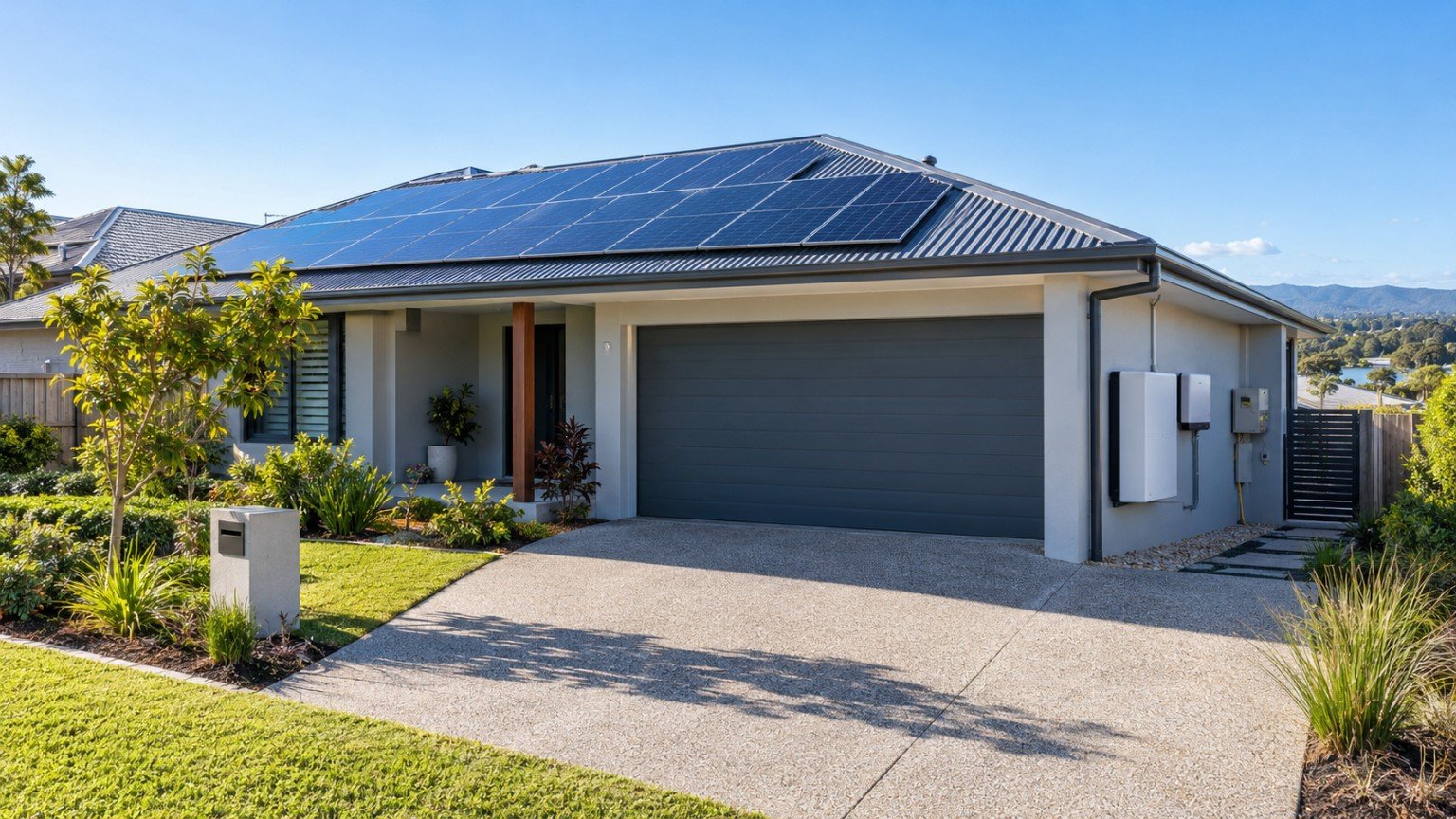
Queensland has among the highest residential rooftop solar penetration in the country, which means a very large share of Narevella’s audience is either buying a home that already has a system installed, or thinking about adding one. This article sets out the practical checklist for both situations — the questions that matter and are easy to overlook, without straying into rebates, pricing or payback claims that change too often to state reliably.
Buying a home that already has solar: the checklist nobody publishes
A solar system on the roof is easy to treat as a simple bonus. In practice it is a piece of equipment with its own age, warranty status and paperwork, and it is worth asking about specifically rather than assuming everything transfers cleanly with the sale:
- Installation date and installer details — when was the system put in, and by whom?
- Inverter make, model and age — inverters typically have a materially shorter working life than the panels themselves, so this is often the first component that needs attention.
- Warranty status — is the system still under warranty, and is that warranty transferable to a new owner?
- Export or feed-in arrangement — does the current export arrangement transfer automatically to a new owner, or does it need to be re-established with the retailer?
- Legacy schemes — was the system installed under any older scheme with a feed-in rate attached to the original owner? It is well established that legacy premium feed-in arrangements generally do not automatically transfer with the property, so this is worth asking about directly rather than assuming a rate carries over. This article will not state any current or historical feed-in tariff figure, as these vary and change.
- Battery details — if there is a battery, what is its age and warranty position?
- Roof inspection history — was the roof inspected or assessed before the system was installed?
The hidden issue: roof condition
Panels are typically installed for a working life of around 20 to 25 years, which can easily outlast the roof they sit on. It is worth specifically asking a building inspector to comment on the condition of the roof beneath and around the array, and on the condition of the penetration flashings where mounting brackets pass through the roof sheeting, since this is a common water ingress point. Narevella’s building and pest inspections guide covers what a standard inspection includes — raise the roof-and-solar question directly with your inspector, as it is easy for it to be missed in a general inspection.
Strata and body corporate properties
If you are buying into a community titles scheme, a lot owner generally cannot install solar panels on a common-property roof without body corporate approval. Rather than explain strata mechanics here, see Narevella’s guide to body corporate checks for unit and townhouse buyers. If you are considering adding solar to a strata property, that approval step comes before any technical planning.
Adding solar as an owner
If you are an existing owner considering installing solar, the practical sequence runs in this order:
- Assess roof suitability and orientation
- Assess shading from trees or neighbouring structures
- Check switchboard capacity
- Obtain network connection approval from your electricity distributor — in South East Queensland this is Energex, a well-established fact that does not change
- Engage an accredited installer
- Only then move to system sizing
Connection approval is a distributor process, and export limits can apply to a given connection. The specific export limits, application timeframes and approval conditions vary and are best confirmed directly with the distributor rather than assumed from general information.
What this article deliberately does not cover
This article does not state any rebate, incentive, subsidy, STC value, payback period or system price. These figures change frequently, and getting one wrong is the fastest way for an article like this to go stale. If cost is part of your decision, check current incentives and pricing at the time you are actually purchasing.
Storm season and insurance
Panels and their mounting systems are a wind and hail exposure, and insurers may treat them differently from the base building when assessing a claim. Narevella’s storm and cyclone season preparation guide covers the broader seasonal picture, and it is worth reading alongside the pre-purchase insurability research covered in Narevella’s guide to home and contents insurance in Queensland. Confirm with your insurer that any solar system, and any battery, is specifically declared and covered — do not assume it is automatically included in a standard policy.
The overall research task
Solar is a genuine asset when it is well documented, under warranty and sitting on a sound roof. The research task, whether buying or adding a system, is the same: convert assumptions about age, warranty and transferability into confirmed facts before you rely on them, and treat the roof and the panels as one combined question rather than two separate ones.
This article is general research information only and does not consider your personal circumstances. It is not electrical, building, financial or insurance advice. Confirm current requirements, warranties and connection conditions directly with the relevant installer, distributor or insurer.
Useful Narevella Reading
- Compare Suburbs
- Find Property For Me
- Queensland Property Research Checklist
- Check My Property — get a structured research report on a specific address



Join The Discussion