
 by
by 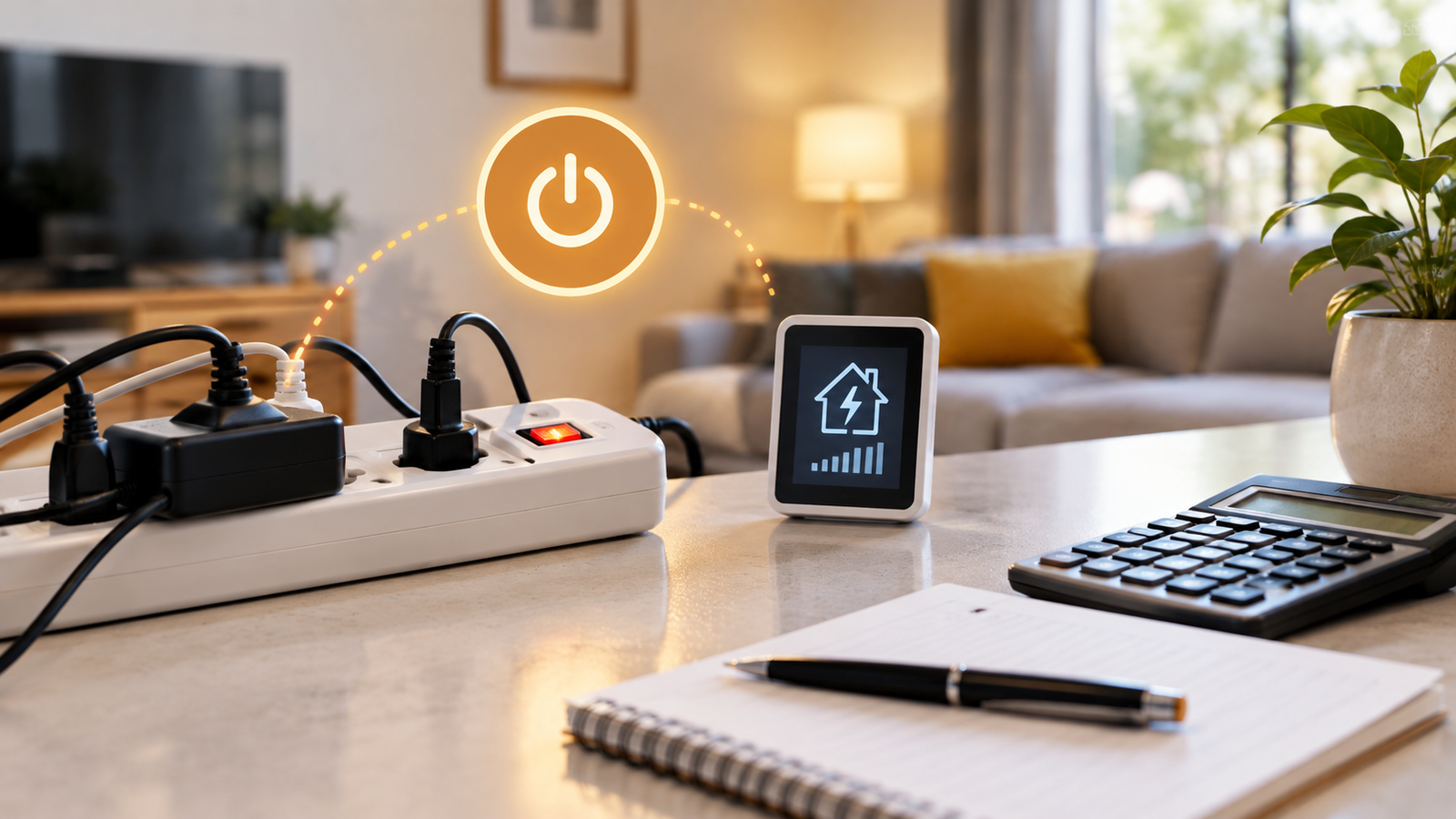
Standby power is the electricity that devices use even when they appear switched off. It can add up over time, creating an unseen drain on a household budget. Understanding how it works helps you cut waste and save energy.
What Is Standby Power
Many appliances have a small control unit that remains powered to recognise when the main switch is turned on. This unit keeps the device ready to respond, but it still draws electricity. The draw is tiny for each item but can accumulate across a home.
Examples include televisions, gaming consoles, and kitchen appliances. Even a simple charger or a wall-mounted light dimmer can stay active. The cumulative effect is noticeable when measured over months.
The power used is often called phantom or vampire power. It is not a new concept, but it is often overlooked when people think about energy use. Recognising it is the first step in reducing waste.
The amount of energy used depends on the device’s design and how often it is switched on. Some devices have a very low standby draw, while others consume more. Choosing efficient models can reduce this hidden consumption.
The standby state is not the same as a device being unplugged. Unplugging removes the source of power entirely. It is the most effective way to stop standby consumption.
However, unplugging can be inconvenient for devices that need to stay connected for updates or remote control.
Balancing convenience and energy savings requires a practical approach.
A simple method is to use a power strip and switch it off when the devices are not needed.
This keeps the devices ready for use but eliminates the constant draw.
It is a small change that can make a noticeable difference over time.
- Unplug devices when not in use.
- Use power strips with switches.
- Choose low-standby appliances.
- Check for devices that need constant connection.
Common Household Items
Televisions, especially older models, can draw a modest amount of power while in standby. Modern units are often more efficient, but many households still use older equipment.
Gaming consoles and set-top boxes also remain powered to recognise remote control signals.
Kitchen appliances such as microwaves and coffee makers often have small control panels that stay active.
Small chargers for phones and tablets can remain plugged in, drawing power even when the device is fully charged.
Lighting controls, including dimmers and motion sensors, often use a tiny amount of electricity to monitor status.
These items together form a significant portion of standby consumption in a typical home.
Replacing older models with newer, low-standby versions can reduce the overall draw.
If replacement is not feasible, consider using a power strip to switch them off when not needed.
This approach is straightforward and does not require professional intervention.
It is a practical way to manage standby power without sacrificing convenience.
The Role of Power Strips
Power strips with a switch provide a convenient way to cut power to multiple devices at once.
By turning the strip off, all connected appliances are disconnected from the mains.
This eliminates standby consumption for each device on the strip.
The switch is easy to use and can be placed near the main switchboard for quick access.
When the strip is off, the devices remain ready to start when the switch is turned back on.
This method is simple and does not require any technical knowledge.
It also reduces the risk of overheating, as devices are not constantly powered.
Using a strip is a low-cost solution that can be implemented immediately.
It is especially useful for devices that are used infrequently but need to stay connected.
The strip can be placed in a hallway cupboard or near the switchboard for convenience.
- Power strip with switch.
- Place near main switchboard.
- Use for infrequently used devices.
Unplugging Strategy
Unplugging devices entirely removes the source of standby power.
It is the most effective way to stop phantom consumption.
This approach works best for devices that do not need to remain connected for updates or remote control.
For devices that require constant connection, a power strip can provide a middle ground.
Unplugging can be organised by keeping a small basket or box for chargers and other accessories.
This keeps them tidy and ensures they are not left plugged in inadvertently.
Regularly checking the basket helps maintain a habit of unplugging when not needed.
It is a simple routine that can be incorporated into weekly chores.
The habit of unplugging can gradually reduce the overall energy drain.
It is a practical, low-effort method that does not involve any professional work.
- Keep a basket for chargers.
- Unplug non-essential devices.
- Incorporate into weekly chores.
When to Call a Professional
If a household has complex electrical wiring or multiple switchboards, a professional can assess the setup.
A licensed electrician can advise on the best placement of power strips and switches.
They can also inspect any devices that may have safety concerns when unplugged.
Professional advice is useful if the home has specialised equipment that requires constant power.
In such cases, a professional can recommend safe solutions that comply with local safety standards.
If a device is part of a larger system, such as a security network, a specialist should be consulted.
The electrician can ensure that any changes do not compromise safety or functionality.
Professional involvement is recommended only when the household has complex or specialised electrical needs.
For most ordinary households, the practical steps outlined above are sufficient.
The goal is to maintain safety while reducing standby consumption.
Daily Habits for Energy Savings
Turning off the main switchboard when the house is unoccupied can reduce overall consumption.
This includes devices that may still be on standby.
Using a timer for lights or appliances can help manage usage without constant monitoring.
Setting a routine for switching off devices at night can create a habit that lasts.
Checking for devices that have been left on for long periods helps maintain awareness.
Incorporating these habits into daily life ensures a steady reduction in energy use.
The changes are small and do not require any new equipment.
They rely on consistency and awareness of the household’s electrical use.
Over time, these habits can lead to a noticeable decrease in standby power.
They are practical and maintain the safety of the home.
- Turn off main switchboard when away.
- Use timers for lights.
- Set nightly routine.
- Check for long-on devices.
- Incorporate into daily life.
By understanding how standby power operates, you can take simple steps to reduce its impact. These practical changes help keep your home efficient and safe.



Join The Discussion