
 by
by 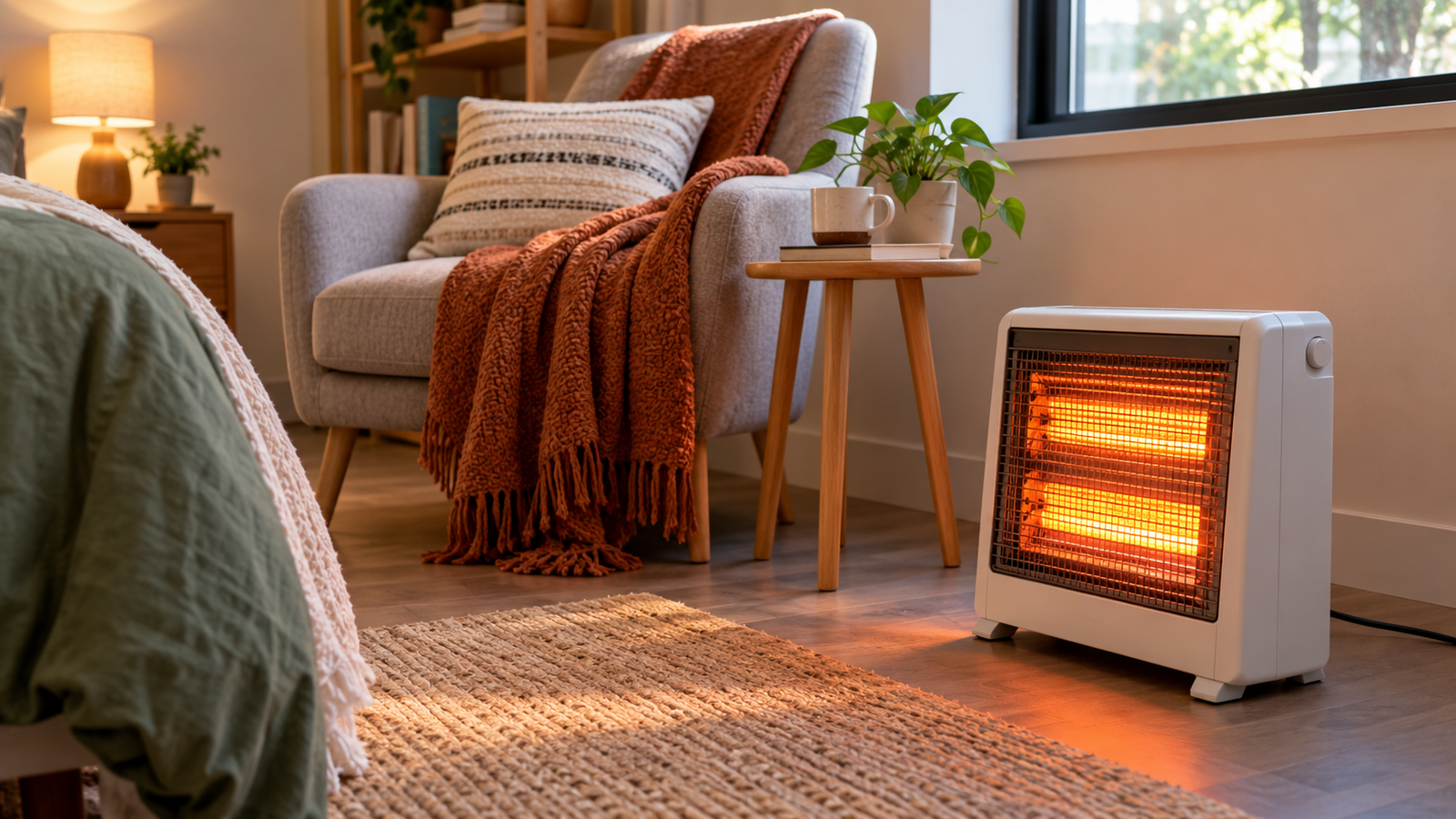
Heating a single room can be tackled with a range of simple, cost-effective methods that suit most Australian homes. Choosing the right approach depends on the room’s size, insulation and how often it is used. This guide outlines practical steps that can be carried out without specialist equipment or expertise.
Assess the Room
Begin by noting how much of the room is exposed to the outside, such as windows or doors. Check for drafts and consider how often the room is occupied. A clear picture of the room’s exposure helps decide which heating method is best.
Look at the walls and floor for gaps where cold air can enter. Use a simple candle test to spot leaks; a flickering flame indicates airflow. Sealing these gaps improves efficiency and reduces the need for extra heat.
Consider the room’s purpose, a study, a nursery or a spare bedroom, as this influences heat requirements.
If the room is rarely used, a temporary solution may be preferable to a permanent installation.
Document your observations so you can compare options later.
This assessment sets the foundation for choosing a cost-effective heating strategy.
It also highlights any simple fixes that could save energy before adding new equipment.
- Check for drafts.
- Use a candle test.
- Note room usage.
Insulate the Space
Improving insulation is often the cheapest way to keep heat inside. Replace worn curtains with thicker, thermal-blocking fabrics. This simple change reduces heat loss through windows.
Add a foam or bubble-wrap layer to the back of the door frame to block drafts. Ensure the material is flat against the jamb to maximise contact. This helps maintain a stable temperature without extra power.
If the floor is exposed, lay a thick rug or carpet to retain warmth. Choose a material that feels cosy and is easy to clean. It also adds a layer of sound insulation.
Check the ceiling for gaps where air can escape, especially near vents or ducts. Patch these with a suitable filler that dries quickly. This keeps the room’s heat from leaking upwards.
Regularly inspect insulation for wear and replace as needed to keep efficiency high.
These steps require minimal tools and can be completed in a single afternoon.
The cumulative effect of good insulation is a noticeable drop in heating demand.
- Use thermal curtains.
- Add foam to door frame.
- Lay a thick rug.
- Patch ceiling gaps.
Portable Electric Heaters
A small, portable electric heater can provide quick warmth to a single room. Choose a unit that fits comfortably on a shelf or desk, keeping it away from flammable items. Place it near the centre of the room to distribute heat evenly.
Use a heater with a thermostat to maintain a steady temperature. Adjust the setting to the lowest level that feels comfortable. This prevents overheating and saves energy.
Keep the heater’s cord out of high-traffic areas to avoid tripping hazards. Use a power strip with a built-in switch to turn it off when not needed. This adds convenience and safety.
Check the heater regularly for signs of wear or damage to the cord or body. Replace any faulty unit immediately to avoid risk of fire. Safety first when using electrical appliances.
If the room is used frequently, consider a heater that can be left on for extended periods with a reliable thermostat.
Portable heaters are easy to move if the heating need shifts to another space.
They offer a quick, low-cost solution without permanent installation.
- Select a small unit.
- Use a thermostat.
- Keep cord clear.
Ventilation-Based Heating
If the room shares a wall with a larger living area, heat can be transferred through the wall itself. Use a flexible duct that runs along the wall to channel warm air into the room. Ensure the duct is sealed at both ends to maximise flow.
Position a small fan at the duct outlet to push air into the room. The fan should be set to a low speed to avoid excessive noise. It helps distribute heat without using extra power.
Check the duct for obstructions; a clear path improves efficiency. Replace any damaged sections with a flexible material that is easy to work with.
This method uses existing warmth from other rooms, making it a low-cost option.
It is best suited to rooms that are adjacent to a main living area that is already heated.
If the adjacent room is rarely used, this method will be less effective.
Regular maintenance of the duct and fan keeps the system running smoothly.
- Run duct along wall.
- Seal both ends.
- Use low-speed fan.
- Check for obstructions.
- Replace damaged sections.
Solar-Powered Options
A small solar panel can drive a fan or a low-power heater for a single room. Mount the panel on a south-facing roof or balcony to capture maximum sunlight. Ensure the mounting is secure and the panel is angled correctly.
Connect the panel to a battery that stores excess energy for use during cloudy periods. Use a simple controller to regulate the power supplied to the fan or heater.
This setup requires minimal maintenance once installed. Check the panel and battery connections periodically for corrosion.
Solar solutions are ideal for rooms that are used during daylight hours. They can reduce reliance on mains electricity and lower running costs.
If the room is rarely used, a solar-powered fan may be sufficient to keep it warm.
Solar options are environmentally friendly and can be expanded if more rooms need heating.
They provide a self-contained heating source that does not rely on the main power supply.
- Mount panel southward.
- Use battery storage.
- Use during daylight.
Heat-Retaining Curtains
Thermal curtains act as a barrier against cold air passing through windows. Hang them close to the window frame to create a seal. Choose a heavy fabric that retains heat well.
When the room is occupied, open the curtains to allow light while keeping warmth inside.
At night, close the curtains to trap heat generated by occupants and appliances.
Replace any worn or torn curtains to maintain effectiveness.
This simple addition works well with other heating methods to keep the room cosy.
Curtains are inexpensive and can be swapped out for seasonal changes.
They also add a decorative element to the room while providing practical benefits.
- Hang close to frame.
- Use heavy fabric.
- Open during day.
- Close at night.
- Replace worn curtains.
Final Checks and Maintenance
After installing any heating solution, monitor the room for comfort and safety. Ensure that all cords, panels and vents are free from damage. Check that no flammable material is too close to heat sources.
Regularly clean vents and filters if the heating system uses them. Replace filters when they appear dirty to maintain airflow.
If any part of the system feels unsafe, seek professional advice promptly.
Maintain a tidy room to avoid clutter that could interfere with heat distribution.
By keeping the system in good condition, you extend its life and keep costs low.
A well-maintained heating setup provides reliable warmth without surprise expenses.
Routine checks are a small investment of time that pays off in comfort and safety.
By combining simple insulation, careful selection of portable heaters and thoughtful use of existing heat sources, a single room can be kept warm without significant expense. These practical steps are designed to fit within the everyday life of an Australian household, ensuring safety and comfort for years to come.



Join The Discussion