
 by
by 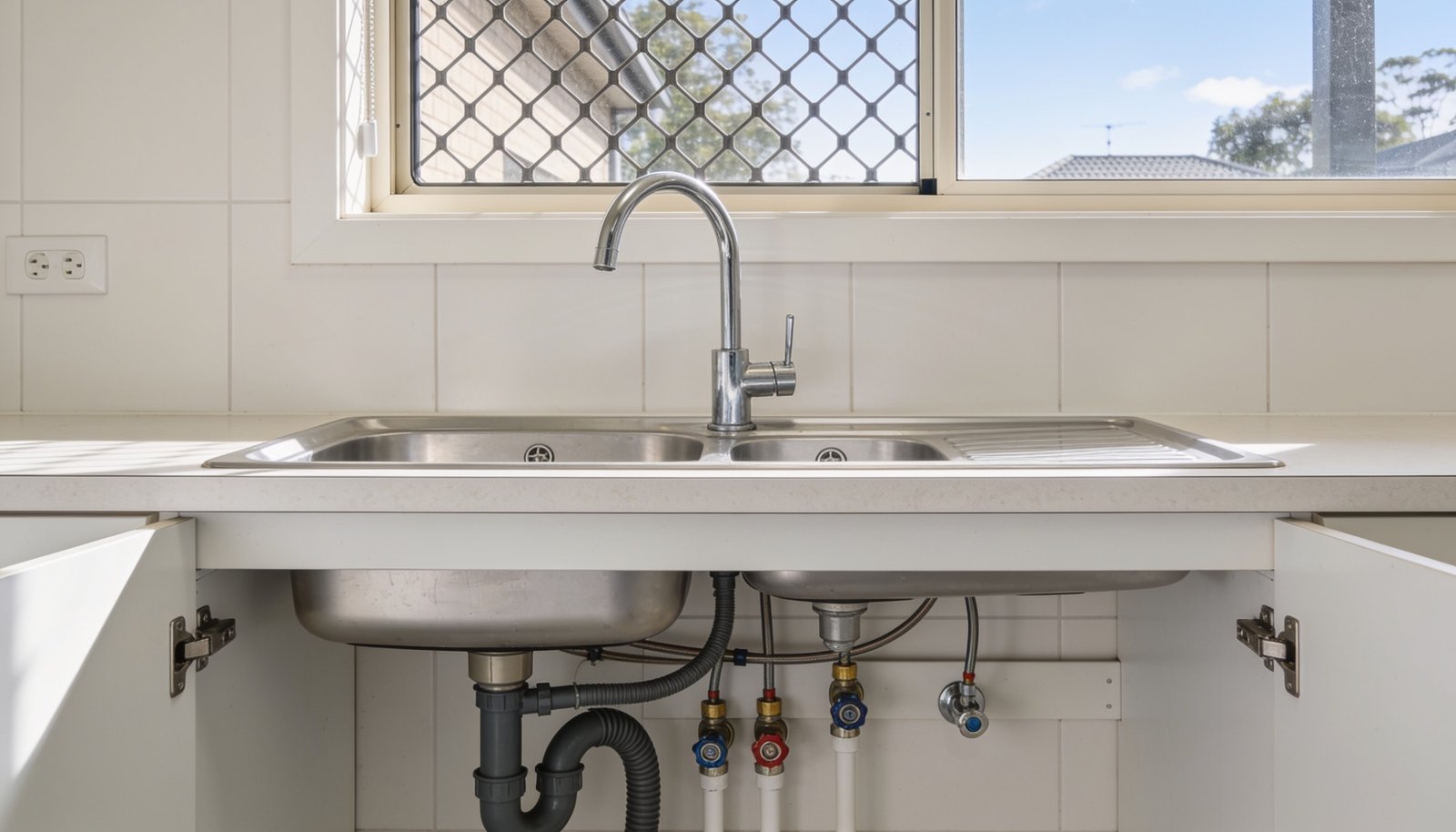
In Australia, most plumbing work must legally be carried out by a licensed plumber. However, tightening or replacing a toilet seat is an exception to this requirement. It is classified as minor hardware maintenance and does not require a licensed plumber in Australia. Homeowners can safely complete this minor bathroom adjustment themselves without breaching regulations.
Before carrying out maintenance around bathroom fixtures, ensure you follow standard safety protocols. You should isolate the water supply and relieve pressure before opening any plumbing fixture or valve. Remember to stop and refer to a licensed plumber if a fixture or valve will not shut off or if the job exceeds minor maintenance.
Identify the Fixing Type
Identification of fixing type is the first step in the repair process. Toilet seats generally rely on one of two main fixing types:
- Bottom-fixing: This hardware type is secured from underneath the toilet pan. Bolts pass through the mounting holes in the ceramic pan and are secured tightly from below using wing nuts or standard metal or plastic nuts.
- Top-fixing: Also known as blind-fixing, this setup is secured from above into expanding plugs. The fixing screws enter rawl plugs or well nuts inserted directly into the top holes of the pan. Top-fixing hardware is standard for toilet suites where accessing the underside of the pan is not possible.
Common Causes of Loose Toilet Seats
Understanding why a seat shifts helps determine the right repair step. Loose toilet seats are commonly caused by worn washers, loose wing nuts or bolts, damaged rawl plugs or well nuts, or incorrect alignment of the hinges on the pan.
Repairing and Tightening the Hardware
Aligning the seat correctly on the pan is essential before securing the fittings.
For a bottom-fixing seat, locate the wing nuts or bolts underneath the back of the pan. Hold the wing nut in place from below while tightening the bolt from above, or tighten the nut directly underneath. Over-tightening must be avoided to prevent damage to plastic threads or porcelain.
For a top-fixing or blind-fixing seat, unclip or unscrew the hinge covers on top of the seat. Tighten the mounting bolts directly into the rawl plugs or well nuts using a screwdriver. As with bottom-fixing seats, over-tightening must be avoided to prevent damage to plastic threads or porcelain.
Solutions for Recurring Looseness
When a toilet seat keeps coming loose even after being tightened, specific hardware upgrades or replacements can solve the problem. Solutions for recurring looseness include:
- Installing rubber anti-slip washers between the hinge base and the ceramic pan surface to prevent slipping.
- Using thread-locking fluid on metal bolts to stop hardware from backing off under movement.
- Replacing worn rubber expanding sleeves on top-fixing models so the rawl plugs or well nuts expand properly and hold firm inside the pan holes.
Knowing Your Plumbing Limits
It is important to understand what is permitted under Australian rules. DIY plumbing beyond minor hardware adjustments is not permitted without a license. Never attempt instructions on water heaters, gas, burst pipes, concealed leaks, or mains/backflow devices. Always stop and refer to a licensed plumber if a fixture or valve will not shut off or if the job exceeds minor maintenance.
Join The Discussion