
 by
by 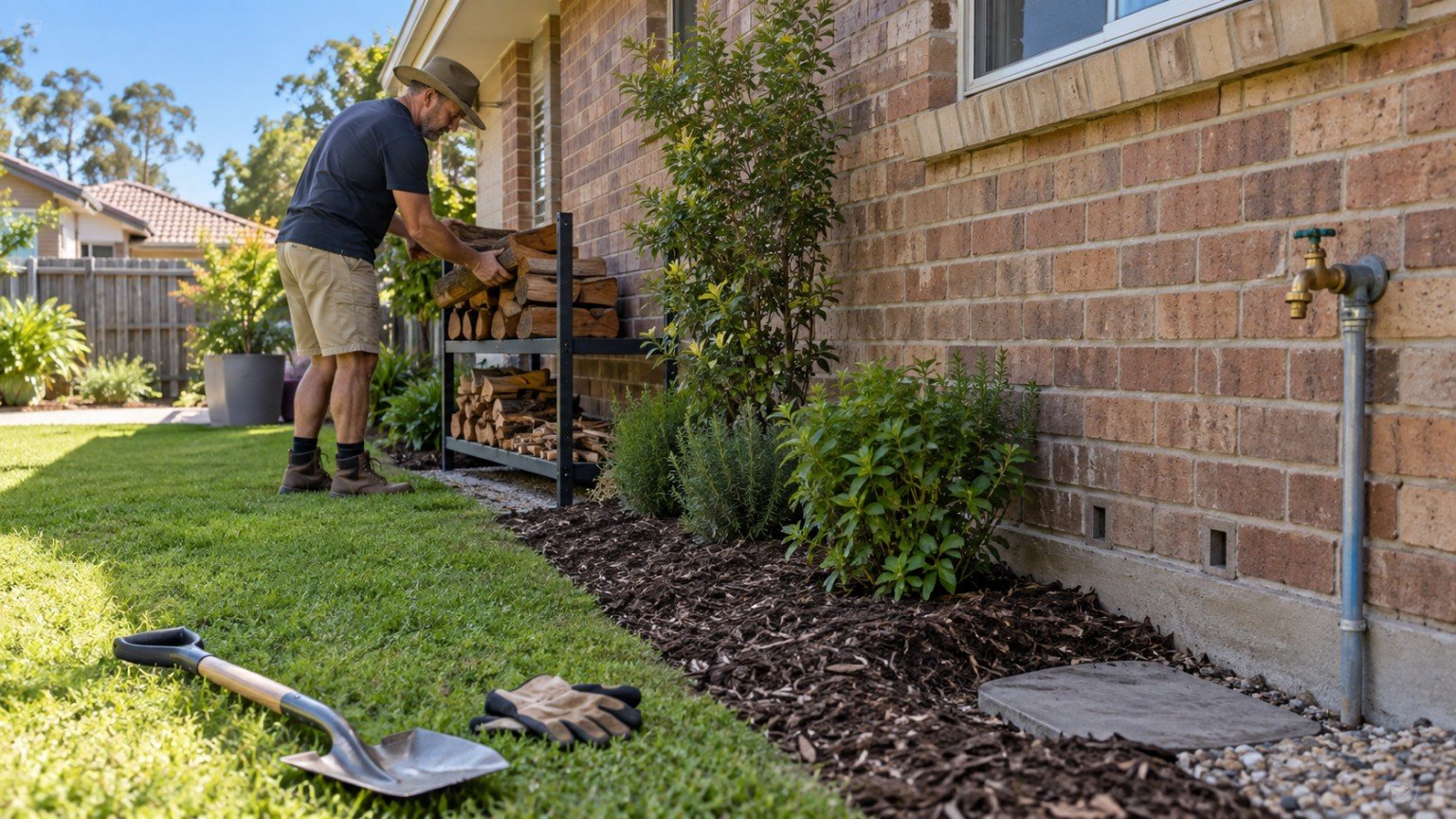
Termites don’t choose a property at random. They’re drawn by a fairly predictable set of conditions: moisture, timber they can reach without much effort, and shelter from light and disturbance. Understanding what actually attracts them is the difference between generic worry and a practical maintenance routine that genuinely lowers your risk.
This isn’t a substitute for professional inspection or treatment. It’s a plain-English look at the conditions termites favour around an Australian home, and the everyday changes that make a property less appealing to them.
Why termites target a property in the first place
Termites need three things to thrive: a reliable source of moisture, a source of cellulose (timber, paper, cardboard) and a way to move between the two while staying hidden from light and predators. A property that offers all three in close proximity is simply an easier place for a colony to establish and expand than one that doesn’t.
Moisture is the biggest single factor
Subterranean termites, the species responsible for most structural damage in Australian homes, rely on contact with damp soil to survive. Anything that keeps the ground around your foundations consistently wet makes that easier for them. Common culprits include:
- Leaking taps, hoses or irrigation lines left running near the house
- Blocked or poorly directed downpipes that concentrate water against a wall or slab edge
- Air conditioning units draining onto the same spot day after day
- Garden beds or mulch that hold moisture directly against timber cladding or stumps
- Poor site drainage that leaves water sitting after rain instead of running away from the house
Timber in contact with the ground
Termites travel through soil and generally avoid open air and light, which is why timber that touches the ground is a much easier entry point than timber that’s properly separated from it. Things worth checking around a property include stacked firewood against an external wall, old formwork or offcuts left under the house, timber garden edging touching stumps or cladding, and buried stumps or tree roots from past landscaping work.
Warmth, shelter and undisturbed spaces
Subfloor voids, wall cavities and garden beds that are rarely disturbed give termites the stable, hidden environment they need to build shelter tubes and move safely. A subfloor with poor airflow, or garden beds that back straight onto the house with no clear gap, both make a property more attractive to a colony looking for a way in.
How termites actually get into a structure
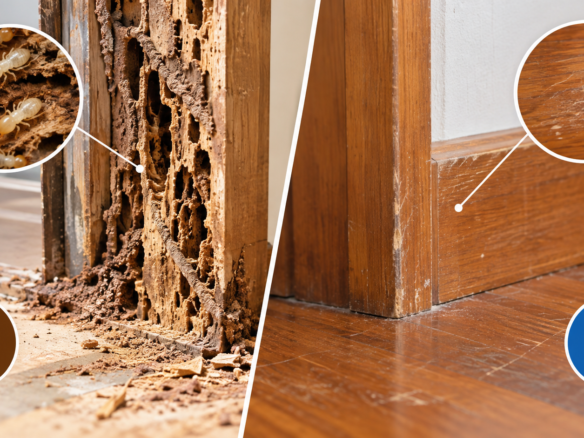
Termites build narrow mud shelter tubes across exposed surfaces such as piers, foundation walls or even brickwork, to protect themselves from light while they travel from the soil to a food source. They can also enter through cracks in concrete slabs, gaps around plumbing penetrations, or weep holes if conditions allow. None of this is usually visible until a colony is already established, which is part of why prevention matters more than spotting the problem early.
Practical ways to reduce the risk around your home
None of these steps guarantee a termite-free property. What they do is remove the easy conditions a colony relies on, which meaningfully lowers the odds and buys more warning time if a problem does start.
Manage moisture first
Fix dripping taps and leaking pipes promptly, direct downpipes and air conditioning drainage well away from the foundation line, and grade garden beds so water runs away from the house rather than pooling against it. This single category of fix addresses the biggest driver of termite activity around most homes.
Keep timber and cellulose debris away from the structure
Store firewood off the ground and away from external walls, clear old formwork, stumps and timber offcuts from under and around the house, and avoid piling mulch directly against timber cladding, stumps or door frames. A simple clear zone between garden beds and the building line removes an easy bridge for termites to exploit.
Keep subfloor and roof void areas ventilated and accessible
Good airflow under a timber floor makes the environment less appealing and makes any shelter tubes easier to spot if you or an inspector look underneath. Avoid stacking stored items against subfloor piers, and keep vents clear of plants, soil build-up or renovation debris.
Book regular professional inspections
Because termite activity is largely invisible until it’s well established, a periodic inspection by a licensed pest professional is the most reliable way to catch early activity before it causes structural damage. Most professionals recommend checking annually, or more often in known high-risk regions or older timber homes.
A national reality, not just a warm-climate issue
Termites are present across most of Australia, and while some regions carry a higher background risk than others, very few areas are genuinely termite-free. Rather than relying on your postcode as a guide, it’s worth treating consistent moisture control and clear ground-to-timber gaps as standard maintenance for any Australian home, regardless of where it sits.
For a deeper look at how termite risk interacts with a standard building and pest inspection, and what that inspection does and doesn’t cover, see our related article on termite and timber pest risk and the limits of a standard inspection.
Join The Discussion