
 by
by 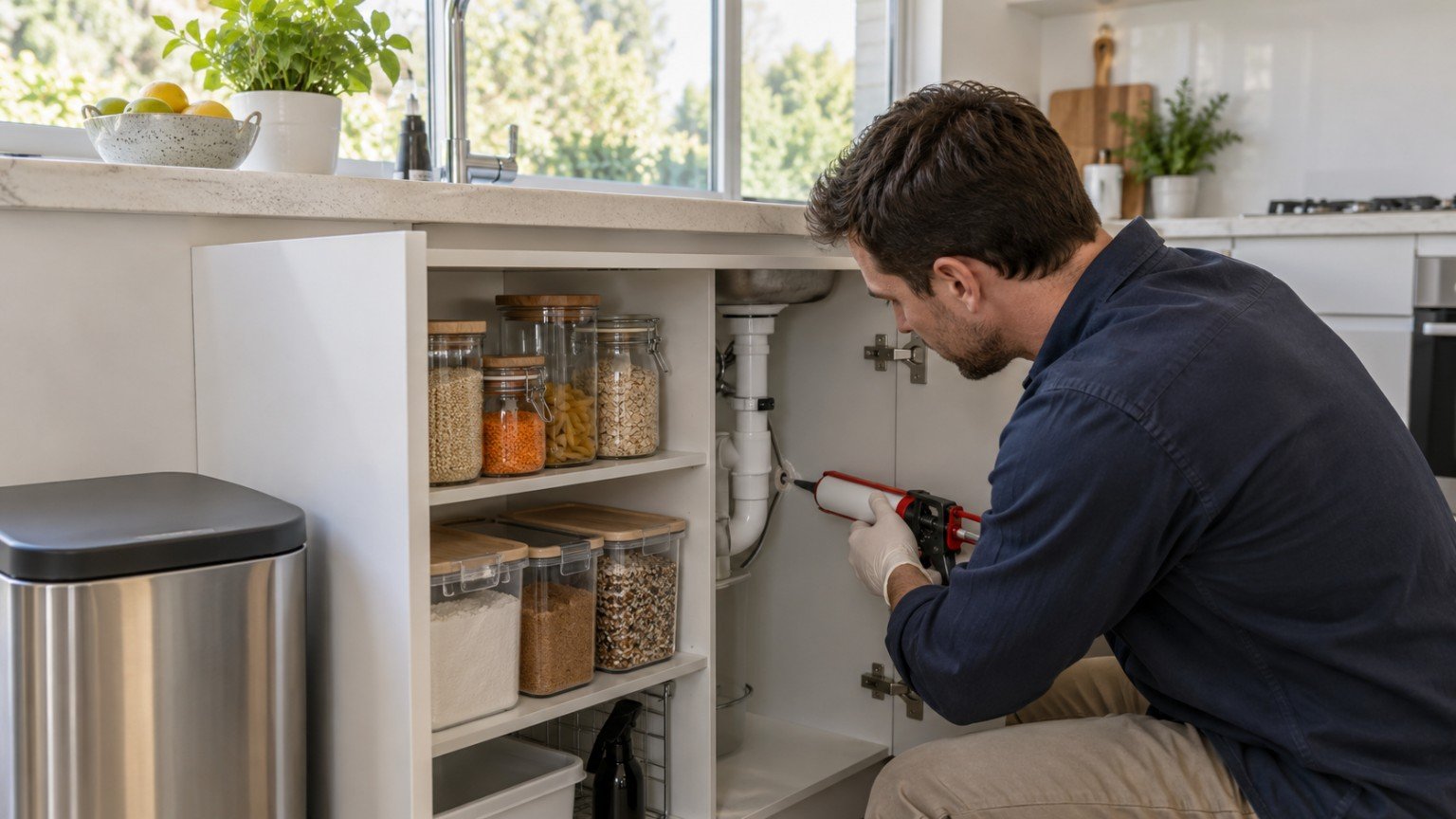
Cockroaches are one of the most common pest complaints in Australian homes, thriving in our warm climate and finding their way into kitchens, bathrooms and laundries in search of food, water and warmth. The good news is that a genuine cockroach problem can usually be brought under control with consistent, natural, low-intervention methods, without reaching for harsh chemical sprays as a first response.
Why cockroaches move in
Cockroaches are drawn to three things: food scraps and crumbs, moisture, and warm, dark hiding spots. Kitchens and bathrooms tend to offer all three, which is why these are the most common places to spot them. Understanding what is attracting them is the real starting point for getting rid of them for good, rather than just dealing with the individual roaches you happen to see.
Step one: remove what is attracting them
Cut off their food source
- Store dry food such as flour, cereal and pet food in sealed containers rather than bags or boxes
- Wipe down benches and stovetops after cooking
- Do not leave dishes soaking overnight
- Take rubbish and recycling out regularly rather than letting it build up
- Sweep or vacuum crumbs from under appliances and furniture
Reduce moisture
- Fix any dripping taps or leaking pipes promptly
- Wipe down sinks and shower areas after use
- Ensure good ventilation in bathrooms and laundries
- Avoid leaving standing water in sinks, pet bowls or drip trays overnight
Close off their hiding spots
Cockroaches favour tight, dark gaps. Seal cracks around skirting boards, pipe entry points and cupboard backs where possible, and keep clutter such as stacked cardboard boxes to a minimum, since roaches love the dark, undisturbed spaces these create.
Natural deterrents and traps
Diatomaceous earth
Food-grade diatomaceous earth is a natural powder that damages the exoskeleton of insects like cockroaches, effectively dehydrating them. Lightly dust it along skirting boards, under appliances and in cupboard corners, avoiding areas where it will get wet, since it loses effectiveness once damp.
Bicarbonate of soda and sugar
A mix of equal parts bicarbonate of soda and sugar, left in shallow dishes near known problem areas, is a commonly used home remedy. The sugar attracts the roaches while the bicarbonate soda reacts inside them when ingested. Results vary and this works best as one part of a broader approach rather than a stand-alone fix.
Essential oils
Peppermint, eucalyptus and tea tree oil are commonly cited as natural deterrents cockroaches tend to avoid. Diluted with water in a spray bottle and applied around entry points, skirting boards and bin areas, they can help as a preventative measure, though they are better suited to deterring roaches than eliminating an established infestation on their own.
Bay leaves
Placing dried bay leaves in cupboards and pantry corners is another traditional deterrent some households find useful, working on the same principle of a scent cockroaches prefer to avoid.
Using traps safely
Simple sticky traps placed along walls and behind appliances can help you gauge how bad an infestation actually is and where the roaches are concentrated, which is useful information before deciding on your next step. If you do use any commercial bait or gel product, always follow the label instructions exactly, keep them well out of reach of children and pets, and avoid placing them anywhere near food preparation surfaces. Products should always be used strictly for their labelled purpose and at the labelled dose, never adjusted or mixed with other chemicals.
A consistent routine matters more than any single product
Cockroaches breed quickly, so a one-off clean-up rarely solves an established problem. The households that get on top of an infestation are usually the ones that stick to a consistent routine of removing food and moisture sources, keeping an eye on likely hiding spots, and reapplying natural deterrents regularly rather than treating it as a single job.
When to call a licensed pest professional
Natural methods work well for occasional sightings and mild problems, but it is time to call a licensed pest control professional if you are seeing cockroaches regularly during the day, which often indicates a larger nest than the population is comfortable, you are finding them in multiple rooms rather than one contained area, you notice an increasingly strong, musty odour associated with a heavy infestation, or home remedies have not made a noticeable difference after several weeks of consistent effort. A professional can also identify and treat the source nest directly, which is something home remedies generally cannot reach.
Join The Discussion