
 by
by 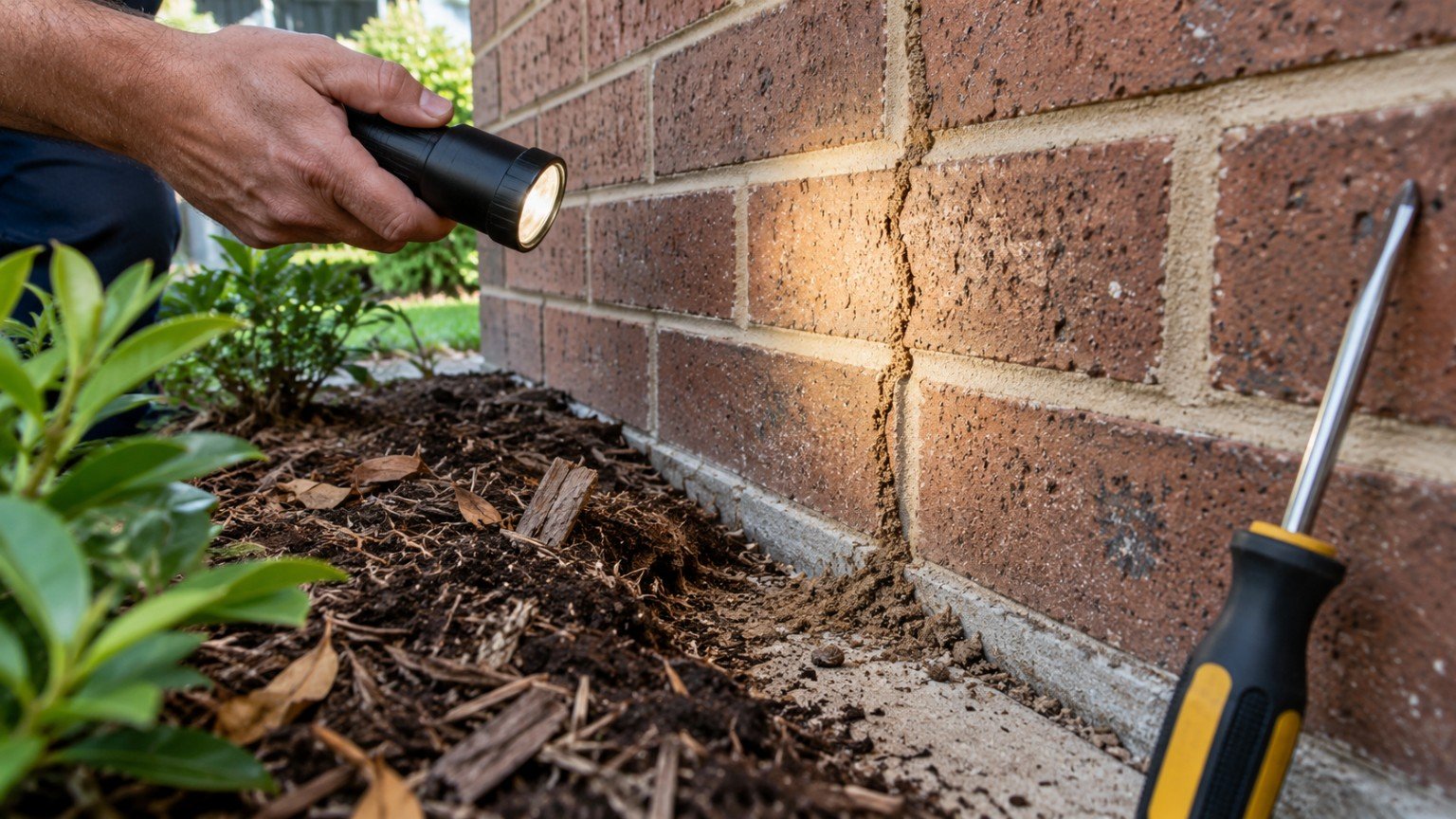
Termites can cause significant damage to a home well before the signs become obvious, which is exactly why early detection matters. Most homeowners will never see a live termite, since colonies generally work inside timber, wall cavities and subfloor spaces out of sight. Knowing the early warning signs, and understanding what you can safely check yourself versus what needs a professional, can make a real difference to how much damage is caught in time.
Why early detection matters
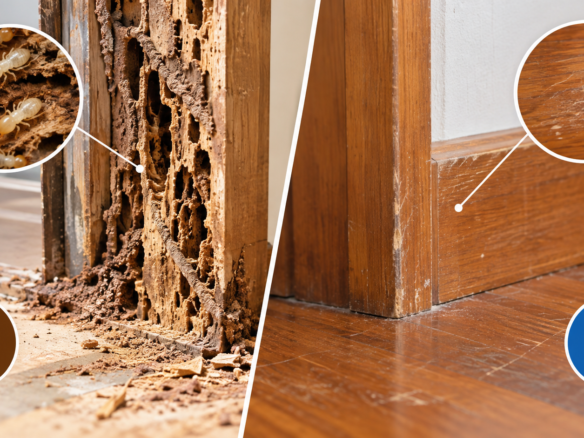
Termite damage tends to progress quietly. Timber can be extensively hollowed out from the inside while the surface still looks intact, which means by the time visible damage appears, the problem may already be well established. Regular, simple checks around the home can help you catch early indicators before they turn into a costly repair.
Early warning signs to look for
Mud tubes or leads
Termites often build narrow mud tubes, sometimes called leads, along foundations, brick piers, timber stumps or exterior walls. These pencil-width tracks protect them from light and predators as they travel between the soil and a food source. Finding one, even a small or partial one, is one of the clearer warning signs a homeowner can spot without any special equipment.
Timber that sounds hollow or feels soft
Gently tapping timber skirting boards, door frames or structural timber and hearing a hollow or papery sound, rather than a solid knock, can indicate the timber has been eaten out from the inside. Similarly, timber that feels unusually soft, spongy or crumbles slightly under light pressure is worth investigating further.
Doors and windows that stick unexpectedly
Termite activity can sometimes cause subtle warping or damage to timber frames, which shows up as a door or window that suddenly becomes difficult to open or close. This is not proof of termites on its own, since timber can also swell with humidity, but it is worth noting alongside other signs.
Small holes or blistering in timber or paint
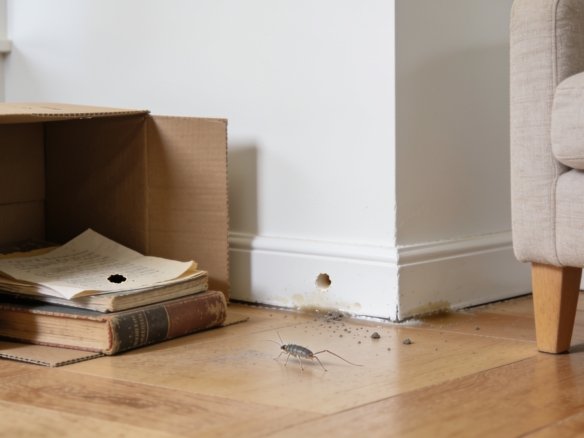
Tiny holes in timber, or paint and plaster that looks bubbled or blistered without an obvious moisture cause, can sometimes indicate termite activity just beneath the surface.
Discarded wings near doors or windowsills
During certain times of year, a mature termite colony may send out winged reproductive termites (sometimes called alates) to start new colonies. After a short flight, these termites shed their wings, so finding small discarded wings, particularly near light sources, doors or windowsills, can indicate a nearby colony.
Visible damage to garden timber or fencing
Termites do not limit themselves to the house structure. Damaged retaining walls, timber fencing, garden edging or old stumps in the yard can be an early sign of termite activity on the property, and can also indicate a colony that may eventually move toward the house.
What you can safely check yourself
Homeowners can reasonably do a visual walk-around of the property every few months, looking for the signs above around the external walls, subfloor area (if accessible and safe to view), garden timber and fencing. A torch and a bit of time are all that is needed. Avoid disturbing any suspected termite activity, since disturbing a mud tube or nest can cause the colony to relocate deeper into the structure, making it harder to treat.
When to stop and call a licensed pest professional
Termite inspection and treatment is specialist work, and this is a clear case where a homeowner should not attempt DIY treatment. If you notice any of the signs above, or simply want peace of mind, contact a licensed pest inspector rather than trying to treat the area yourself. Professional inspectors use tools such as moisture meters and termite detection devices that can identify activity well before it is visible to the eye, and they can advise on the right treatment and any structural implications.
A professional building and pest inspection is also standard practice when buying a property, precisely because termite damage can be difficult for an untrained eye to detect. If you are researching a home purchase, it is worth understanding what a formal building and pest inspection covers, including where a standard inspection may not fully resolve termite risk.
Staying ahead of the problem
Termites are one of the more costly risks to a timber-framed Australian home, but regular, simple checks combined with a professional inspection every year or two can catch problems early, long before they threaten the structure of the house. If in doubt, the safest and most cost-effective step is always to bring in a licensed professional rather than guess.
Join The Discussion