
 by
by 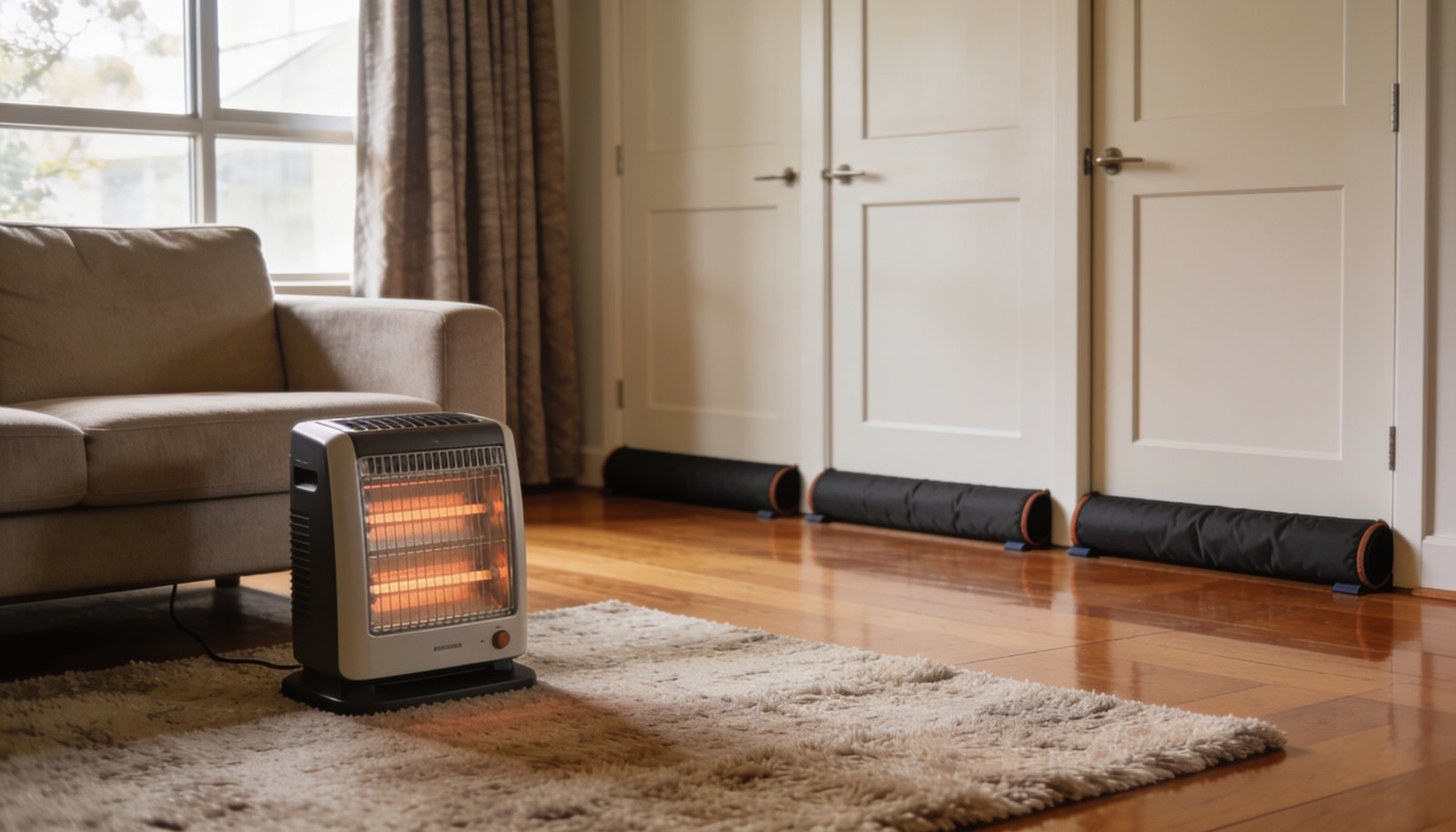
Maintaining a comfortable indoor climate in a rental property during winter can be challenging when structural modifications are prohibited by tenancy agreements. Renters cannot install double-glazed glass, insert wall insulation, or alter permanent fixtures. However, non-permanent and completely reversible tactics can significantly reduce thermal loss and increase energy efficiency throughout the home.
Managing Window Thermal Loss
Glass panes are major contributors to heat escape in uninsulated properties. Up to 40% of home heating energy can be lost through windows. Implementing temporary window insulation helps trap warmth inside living areas without altering the property structure.
Thermal management for windows includes hanging thermal drapes via tension rods. Tension rods hold heavy curtains in place using spring pressure, eliminating the need to drill holes into walls or window frames. Additionally, applying static-cling film or bubble wrap directly onto glass panes creates an insulating layer of air. Both static-cling film and bubble wrap adhere without permanent adhesives, making them easy to install and remove at the end of a tenancy while helping address the 40% heat loss associated with uninsulated windows.
Eliminating Draughts with Non-Permanent Solutions
Air gaps around doors, windows, and vents allow cold air to flow inside while letting generated heat escape. In fact, draughts can account for up to 25% of heat loss in a home. Non-permanent draught proofing offers a practical way to seal these pathways without causing damage to surfaces or paintwork.
Effective non-permanent draught proofing options include placing door snakes at the base of external doors and internal doorways to stop breeze penetration. Removable foam or rubber weather-stripping can be fitted along the inner edges of door frames and window sashes to close irregular gaps. For steel wall vents, removable magnetic vent covers can be placed directly over the grilles to prevent drafts. Note that safety around ventilation is critical: when covering wall vents, ensure adequate room ventilation remains for gas appliances.
Zoning and Efficient Heating Practices
Heating an entire rental property continuously requires significant energy. A practical strategy is to practice zoning by closing doors to unused rooms to concentrate heat in primary living spaces. Zoning restricts heat to occupied areas, making space heating faster and more efficient.
Choosing the correct heating appliance for specific needs also affects performance and energy consumption. Fan heaters are suited for short-term spot heating, such as rapidly warming a small personal area. In contrast, oil-column or convection heaters are better for sustained warmth over longer periods, distributing heat evenly across a room.
When operating reverse-cycle air conditioners, managing thermostat settings is essential for efficiency. Recommended winter thermostat settings for energy efficiency are 18°C to 20°C. For reverse-cycle air conditioners, every degree above 20°C increases heating energy consumption by approximately 10%. Keeping settings within the recommended range prevents unnecessary energy usage.
Improving Floor Insulation
Bare floorboards, tiles, and uninsulated flooring allow warmth to drain out of living spaces. Floor insulation can be improved by laying rugs with thermal underlays. Placing thermal underlays beneath large rugs creates an effective insulating barrier against cold floors. This temporary setup improves foot comfort, retains room heat, and can be packed up and transported whenever moving home.
Safety Regulations and Appliance Guidelines
While maximizing home comfort, appliance safety must be strictly maintained. Portable heaters must be kept at least 1 metre away from flammable items such as curtains, bedding, and clothing to prevent fire hazards. Outdoor heaters or camping gear must never be used indoors for home heating.
Gas appliances require specific health considerations. Unflued portable gas heaters present a risk to indoor air quality and carbon monoxide levels. Always follow manufacturer safety instructions for heating appliances. Finally, consult a professional if you are unsure about the safety or installation of heating or draught-proofing materials.



Join The Discussion