
 by
by 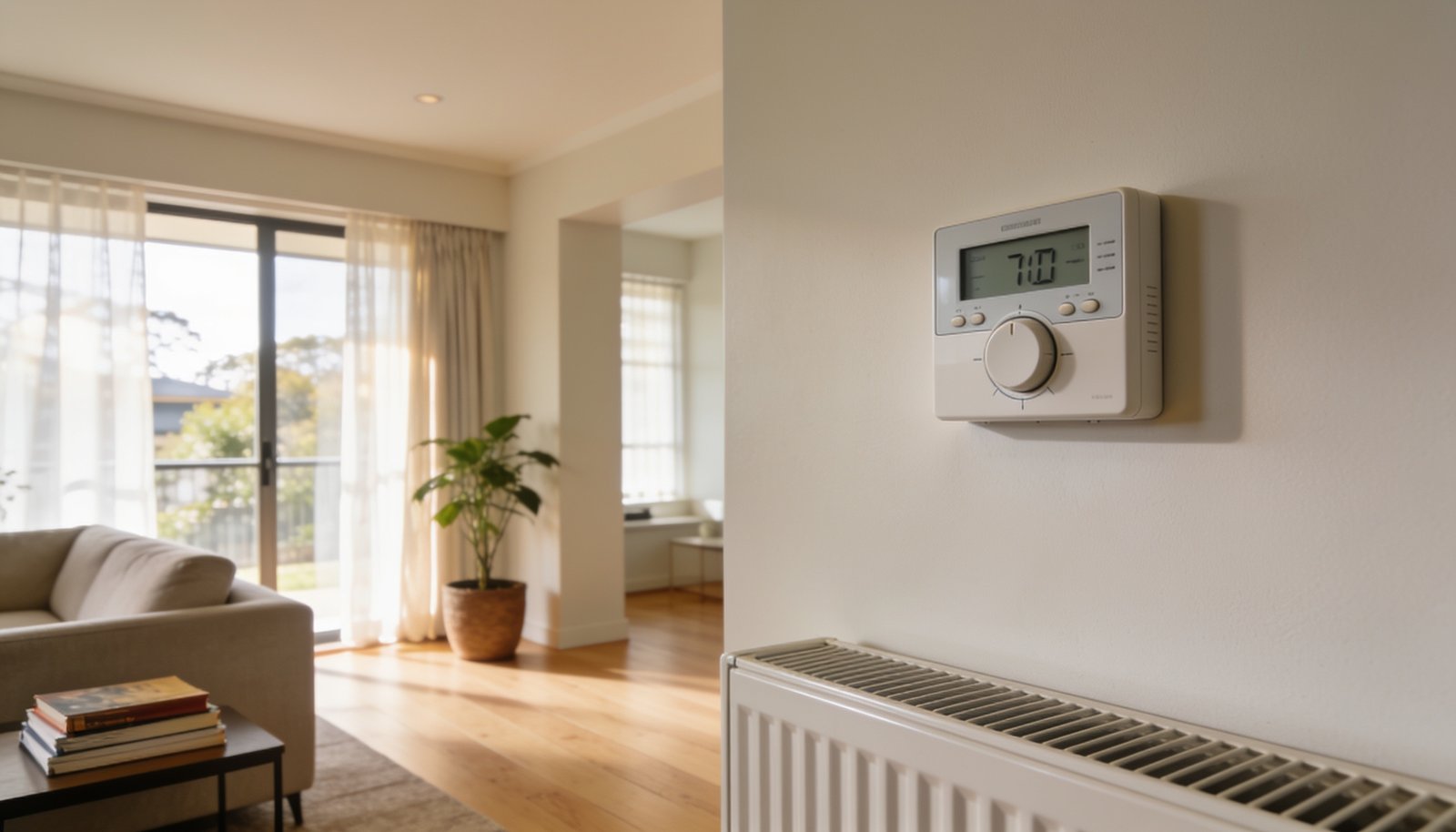
Managing household heating costs during cold weather requires balancing comfort, timer schedules, safety, and physical heat retention. Running a heater continuously throughout the night can lead to unnecessarily high energy bills. By combining programmed timing, proper thermostat settings, physical draught management, and safe appliance choices, you can maintain comfort while minimizing electricity use.
Setting the Ideal Target Temperature
Thermostat control is one of the most direct factors in controlling heating expenses. Setting your heater to an excessively high temperature forces the unit to run longer and draw more power. For living areas, setting the target temperature between 18°C and 20°C provides a balance between indoor warmth and energy conservation. In bedrooms, where blankets and bedding assist with warmth, maintaining a target temperature between 15°C and 18°C is recommended.
Small adjustments to your thermostat make a significant difference to running costs. Increasing your heating temperature by just 1°C can add up to 10% to your heating running costs. Lowering your thermostat to stay within the 18°C to 20°C range in daytime spaces and 15°C to 18°C in sleeping areas keeps running costs under control without sacrificing comfort.
Programming an Effective Timer Schedule
Leaving a heater running continuously overnight is an inefficient way to manage home heating. Utilizing an automatic timer ensures your space stays warm when needed while preventing unnecessary power consumption while you sleep.
The most cost-effective timer schedule involves turning the heater off or setting it to a low sleep setting 30 minutes after bedtime. Because a room retains heat for some time after the appliance turns off, switching it off shortly after going to bed keeps the room comfortable while you fall asleep. For the morning, program the heater to turn on 30 to 60 minutes before waking up. This allows the living space or bedroom to warm up gradually before you get out of bed without running the unit during the middle of the night.
If your electricity plan uses flexible pricing, early morning timing can be matched with off-peak or shoulder tariff windows. Aligning your heater’s early morning activation with these lower-cost pricing windows helps lower running expenses where such structures exist. Exact savings from pre-heating during off-peak windows vary significantly based on your specific electricity retailer’s tariff schedule. Check with your local electricity retailer to understand your specific tariff structure to determine when off-peak or shoulder windows occur.
Overnight Safety and Heater Types
Timer settings should only be used on appliances that are safe for unattended operation. Portable electric fan heaters, convector heaters, and uncovered radiant heaters present fire hazards if left running unattended overnight. These portable units should never be operated while occupants are sleeping or out of the room.
For timed overnight operation, fixed reverse-cycle air conditioners or built-in panel heaters with auto-shutoff features are the safest options. Built-in units designed with automatic shutoff mechanisms provide safer operation when paired with programmable timers. Consult with a qualified professional or refer to manufacturer manuals regarding the safety features and specific timed-operation capabilities of your heating unit.
Retaining Pre-Warmed Heat
A heater timer is most effective when paired with physical home heat retention. If warm air escapes through unsealed gaps or bare windows, your heating system must work harder when it switches back on in the morning.
Closing heavy curtains or blinds before sunset blocks window glass from radiating heat outward and helps hold pre-warmed heat inside the home overnight. Additionally, sealing draughts around doors, windows, and floor gaps prevents cold air from entering and warm air from escaping. Combining proper heat retention with timed activation and accurate thermostat control delivers a practical, safe, and energy-efficient approach to overnight home comfort.



Join The Discussion