
 by
by 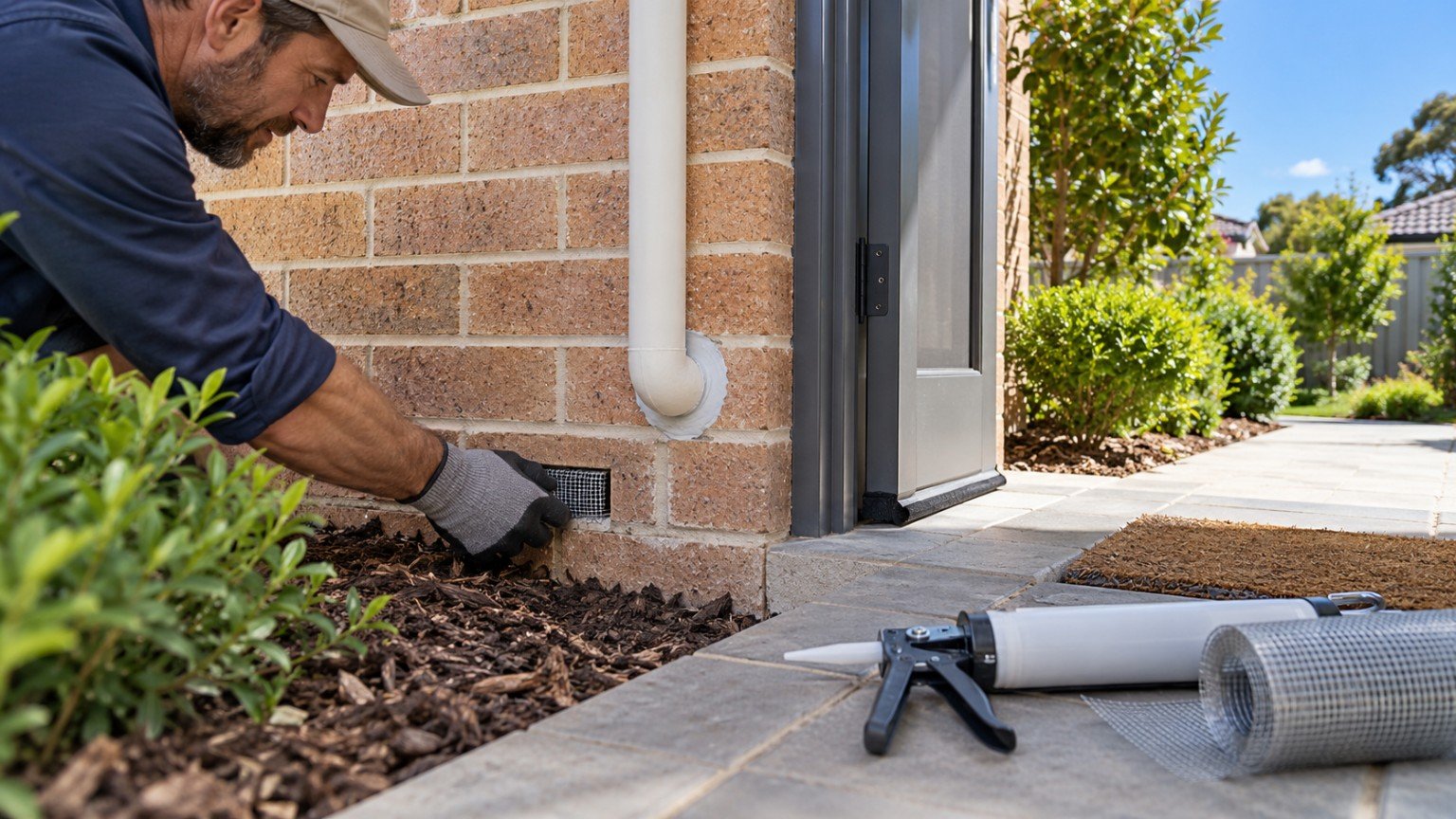
Warmer spring weather doesn’t just bring flowers and longer days, it also brings a noticeable rise in ants, cockroaches, spiders and rodent activity around Australian homes. A bit of preparation before the weather turns makes a real difference to how much pest activity you deal with over the following months, and most of it comes down to closing gaps and removing what pests are looking for in the first place.
Why spring triggers a pest surge
Insects and rodents that have been relatively dormant or sheltering through the cooler months become active again as temperatures rise, and many species also breed more actively in spring. At the same time, gardens are growing back, which brings more insects into yards close to the house, and increases the chance of them finding their way inside.
Start outside the home
Clear leaf litter, mulch and garden debris away from the base of external walls, since damp, sheltered spots like these are attractive to ants, slaters and cockroaches. Trim back plants and shrubs that touch the house, as overhanging or contacting vegetation is a common bridge pests use to reach the roofline or walls. Check for and clear any stagnant water in the garden, such as blocked drains, saucers under pot plants or old containers, since standing water is a mosquito breeding ground.
Check and seal entry points
Walk around the outside of the house looking for gaps around windows, door thresholds, weep holes, vents and where pipes or cables enter the wall. Fit or repair fly screens on windows and doors, and check weather seals under external doors. Weep holes in brick veneer walls need to stay clear for ventilation, but a purpose-made weep hole guard can help keep larger pests out without blocking airflow.
Inside the home
Check under sinks, in roof spaces if safely accessible, and in subfloor areas for early signs of activity, such as droppings, shed skins or nesting material. Store dry pantry goods in sealed containers, since spring is also when pantry pests tend to become more active. Reduce clutter in garages, sheds and storage areas, as piles of boxes and unused items are common hiding spots for spiders and rodents.
Garden and outdoor areas
Check gutters are clear, since blocked gutters holding water attract mosquitoes and provide shelter for other pests. If you have compost bins or chicken coops, make sure they’re well maintained and not attracting rodents. Firewood stacks are best kept off the ground and away from the house, as they’re a common shelter spot for spiders and other insects.
A simple spring pest-proofing checklist
- Clear leaf litter and debris from around external walls
- Trim vegetation back from touching the house
- Remove standing water from the garden and gutters
- Check and repair fly screens and door seals
- Seal unnecessary gaps around pipes, cables and vents
- Store dry pantry goods in airtight containers
- Reduce clutter in sheds, garages and storage areas
- Check subfloor and roof spaces for early signs of activity where safely accessible
Keeping it safe
None of these steps involve chemical treatments, and that’s deliberate. If you do want to use a pest control product as part of your spring routine, always follow the label instructions exactly, including where and how it can be used around children, pets and food preparation areas. For a more thorough treatment, particularly if you had pest problems last spring, a licensed pest control provider can apply a professional treatment safely and advise on what’s actually needed for your home rather than a blanket approach.
Most spring pest problems come down to easy access and easy food, so working through even a handful of these steps before the weather warms up gives pests far less reason to move in.
Join The Discussion