
 by
by 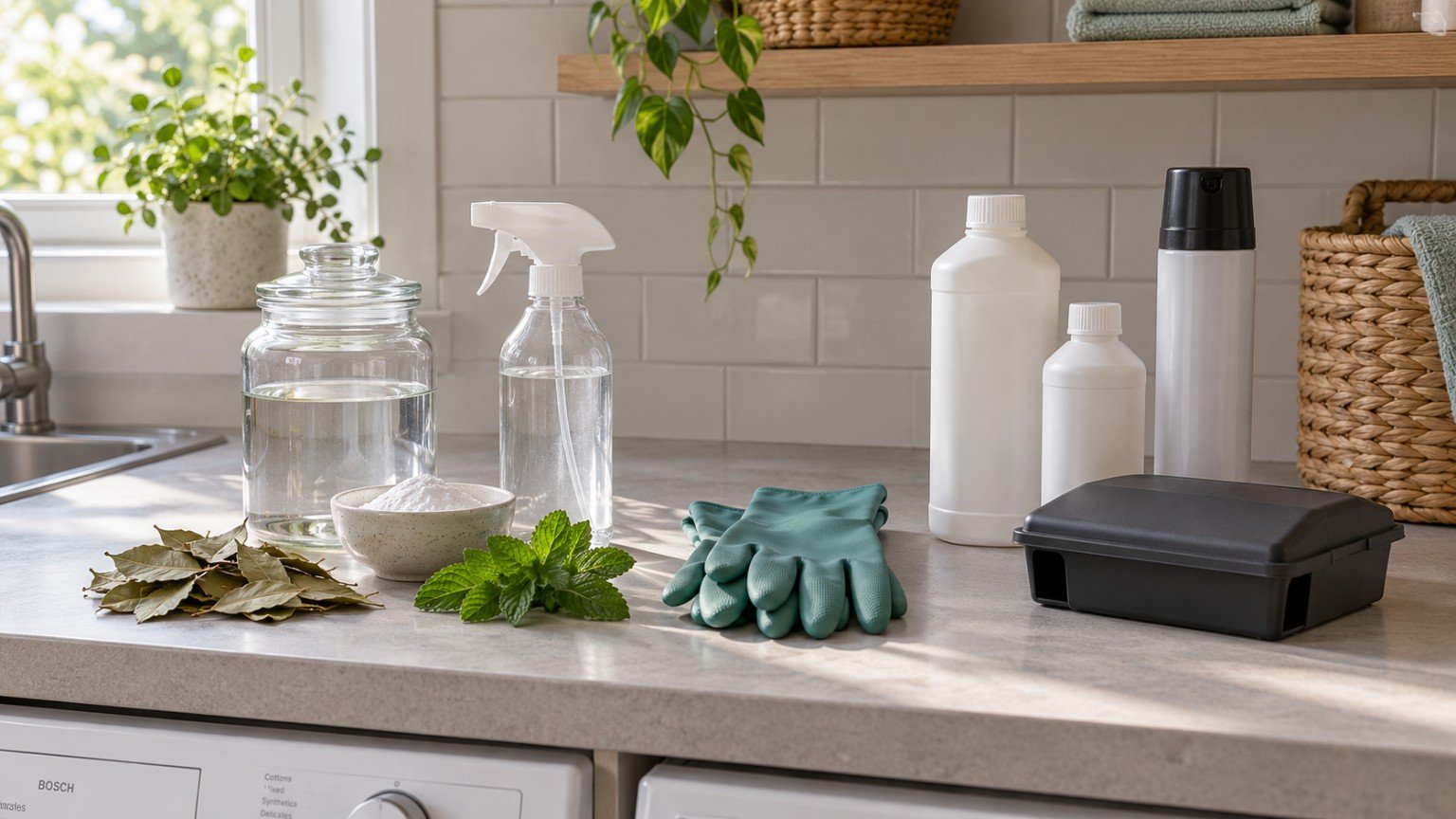
“Natural” and “chemical” get used as if they’re opposites when it comes to pest control, with natural often assumed to mean automatically safe and chemical assumed to mean automatically risky. In practice, the picture is more mixed. Some natural substances can irritate skin or be harmful if ingested, and many chemical products are specifically formulated and tested for safe household use when the label instructions are followed. This is a comparison, not a case for one side over the other, since the right choice usually depends on the pest, the situation and the household.
What “natural” and “chemical” actually mean here
Natural pest control generally refers to substances derived from plants or minerals, such as vinegar, essential oils, diatomaceous earth or bay leaves, used in their raw or lightly processed form. Chemical pest control refers to manufactured or synthetic products, including sprays, baits and powders sold specifically for pest control, which are regulated and must carry approved safety and usage information. It’s worth noting that many “natural” substances are chemicals too in the strict sense, and some chemical pest products are derived from naturally occurring compounds, so the natural-versus-chemical line is really about processing and regulation rather than a clean safety divide.
How natural methods work
Natural approaches generally work by disrupting scent trails, creating a smell or taste pests avoid, or physically drying out or irritating small insects, as diatomaceous earth does. They tend to be most effective for prevention and for managing light, early-stage pest activity, such as a few ants on a bench or spiders around a doorway. Natural methods are usually lower risk to use around food preparation areas and don’t leave chemical residue, which is part of why they’re popular for everyday household use.
Their main limitation is that they generally act more slowly, need to be reapplied more often, and are less effective against an established infestation, such as a large ant colony or a serious cockroach problem inside wall cavities.
How chemical methods work
Registered pest control products are designed to target a pest’s nervous system, growth cycle or ability to feed, and are tested and approved through Australia’s chemical regulation processes before they can be sold. Used correctly and in line with the label, they tend to be more effective against established or large-scale infestations, and some, like certain baits, are specifically designed to be low-risk around the home when placed as directed, since the pest carries the bait back to a nest rather than the product being sprayed openly.
The trade-off is that safety depends heavily on correct use. Using more than the labelled amount, applying a product somewhere it isn’t designed for, or mixing products together doesn’t make treatment more effective, it increases the risk of harm to people, pets or the home itself.
Safety considerations for both approaches
Around children and pets
Neither “natural” nor “chemical” automatically means safe around children and pets. Some essential oils are genuinely toxic to cats and dogs, and concentrated vinegar or citrus oil can irritate skin or eyes. Registered pest control products carry specific safety information for use around children and pets, and following that guidance, such as keeping baits out of reach or ventilating a room after use, is what actually determines the risk, not whether the product is labelled natural or synthetic.
Reading labels correctly
For any pest control product, natural or manufactured, the label is the safety reference. It states what the product is approved for, how much to use, where it can safely be applied, and any precautions for children, pets or food areas. A product used outside its labelled purpose, at a higher concentration than intended, or mixed with another product to “boost” it, is where most household pest control injuries and incidents actually happen.
When each approach tends to suit the situation better
Natural methods are generally well suited to prevention, light pest activity and situations where minimising chemical use around food or living areas matters most to the household. Registered chemical products tend to be better suited to established infestations, pests that pose a genuine risk if left untreated, or situations where a natural approach hasn’t worked after a reasonable trial. Many households end up using a mix of both, leaning on natural prevention day to day and a targeted, correctly used product when a problem gets ahead of that.
When to call a licensed pest professional
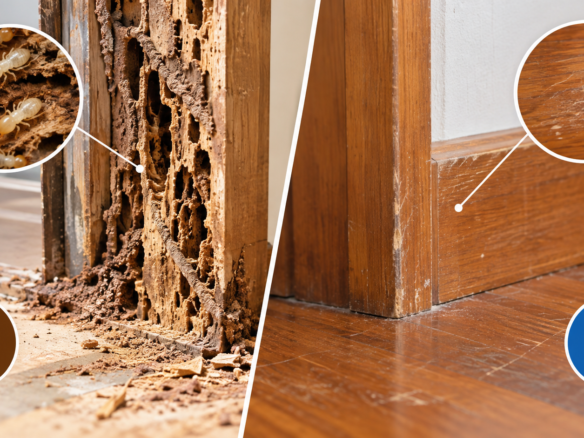
For a significant or recurring infestation, a licensed pest control provider brings two advantages a household product usually can’t: correct identification of the actual pest and its behaviour, and access to professional-grade treatments applied at the right concentration and location. This is generally the safer and more effective option once a problem has moved beyond what everyday natural or off-the-shelf chemical methods are managing.
Neither natural nor chemical pest control is inherently the safer choice in every situation. What matters most is understanding what you’re actually using, following the correct amount and method, and matching the approach to how serious the pest problem actually is.

Join The Discussion