
 by
by 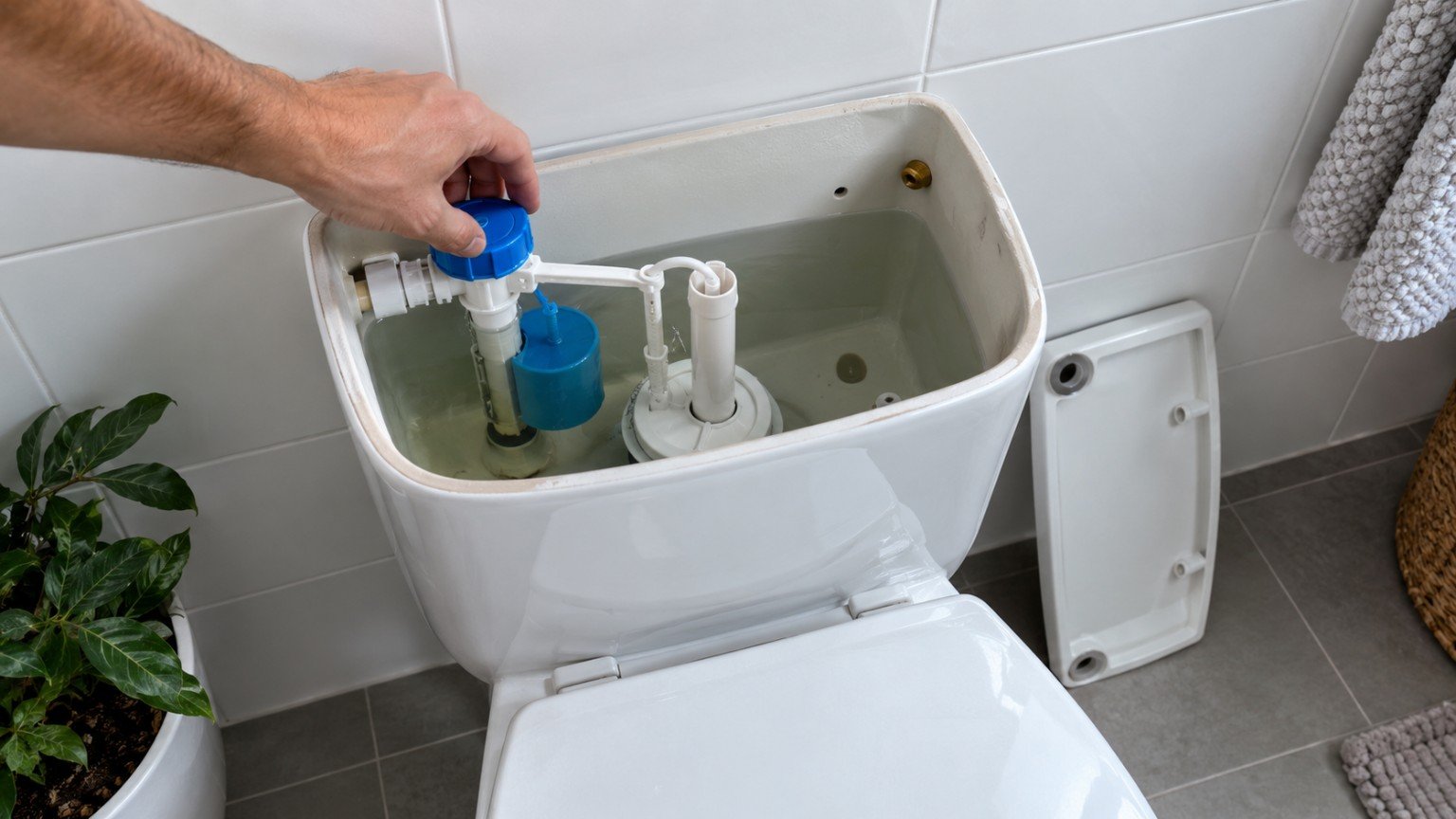
A toilet that keeps running long after you flush is one of the most common plumbing niggles in Australian homes. It is usually not an emergency, but it can waste a surprising amount of water and push up your bill if it is left unchecked. The good news is that most causes are simple, visible and safe for a homeowner or renter to check before deciding whether a licensed plumber is actually needed.
Why toilet cisterns keep running
Behind the toilet bowl, the cistern (the tank that holds water for flushing) relies on a small set of parts working together: a flapper or outlet valve that seals the water in until you flush, a fill valve that lets water back in afterwards, and a float that tells the fill valve when to stop. When one of these is worn, misaligned or set incorrectly, water keeps trickling through and the cistern never fully settles.
Safe checks you can do yourself
None of the checks below involve mains electrics, gas or structural work, so they are reasonable for most homeowners and renters to look at before calling anyone. Always turn off the water supply at the isolation tap (usually near the base of the toilet) before opening the cistern lid, and work gently, as cistern components can be brittle with age.
1. Lift the cistern lid and look
Take the lid off carefully and watch what happens as the cistern refills after a flush. If water is trickling into the overflow tube even once the tank looks full, that is a strong sign the fill valve is not shutting off properly.
2. Check the flapper or outlet valve seal
The flapper (or the seal on a button-flush outlet valve) sits at the bottom of the cistern and should sit flat and seal completely. Over time these can warp, crack or collect mineral build-up, which stops them sealing and lets water seep through into the bowl. If it looks worn, warped or does not sit flush, that is often the culprit.
3. Check the chain or lift mechanism
If your toilet uses a chain-and-flapper style mechanism, a chain that is too long can bunch up under the flapper and hold it slightly open. A chain that is too short can hold it up permanently. Adjusting the slack so there is a small amount of give, but not so much that it tangles, often solves the problem.
4. Check the float and water level
The float should stop the fill valve once the water reaches the marked level inside the cistern, usually a line moulded into the plastic or a mark just below the overflow tube. If the float is set too high, water keeps overflowing into the overflow tube and draining away, mimicking a constant run. Most floats can be adjusted with a small screw or by sliding an adjustment clip, which is generally safe to do yourself.
5. Listen for the sound
A soft hiss usually points to the fill valve not sealing. An intermittent trickle that stops and starts often points to a flapper seal issue. This is a useful clue even before you open the lid.
When to stop and call a licensed plumber
Some situations go beyond a simple homeowner check and are worth handing to a licensed plumber:
- You cannot find or operate the isolation tap safely, or it will not fully shut off the water.
- The cistern or bowl itself appears cracked, rather than just the internal parts.
- You have replaced the flapper or fill valve and the problem continues.
- There is water pooling on the floor around the base of the toilet, which can point to a seal or connection issue rather than a cistern part.
- You are in a rental property. Renters should always check their lease and contact the property manager or landlord before replacing fixtures, even for a straightforward part swap.
Replacement flappers and fill valves are inexpensive and widely available from hardware stores, and swapping a like-for-like part is generally considered safe general maintenance rather than licensed plumbing work. If you are ever unsure, it costs little to get a licensed plumber to take a quick look, especially compared with the cost of a slowly rising water bill or a part failing at the wrong moment.
Why it is worth fixing promptly
A constantly running toilet can waste a significant amount of water over weeks and months, and in many households it goes unnoticed because the sound fades into the background. Checking it early, whether you are an owner or a renter reporting the issue, is one of the simplest ways to avoid an unpleasant surprise on your next water bill.
For a broader look at the small problems that tend to crop up around the house, see our practical checklist of common household issues.
Join The Discussion