
 by
by 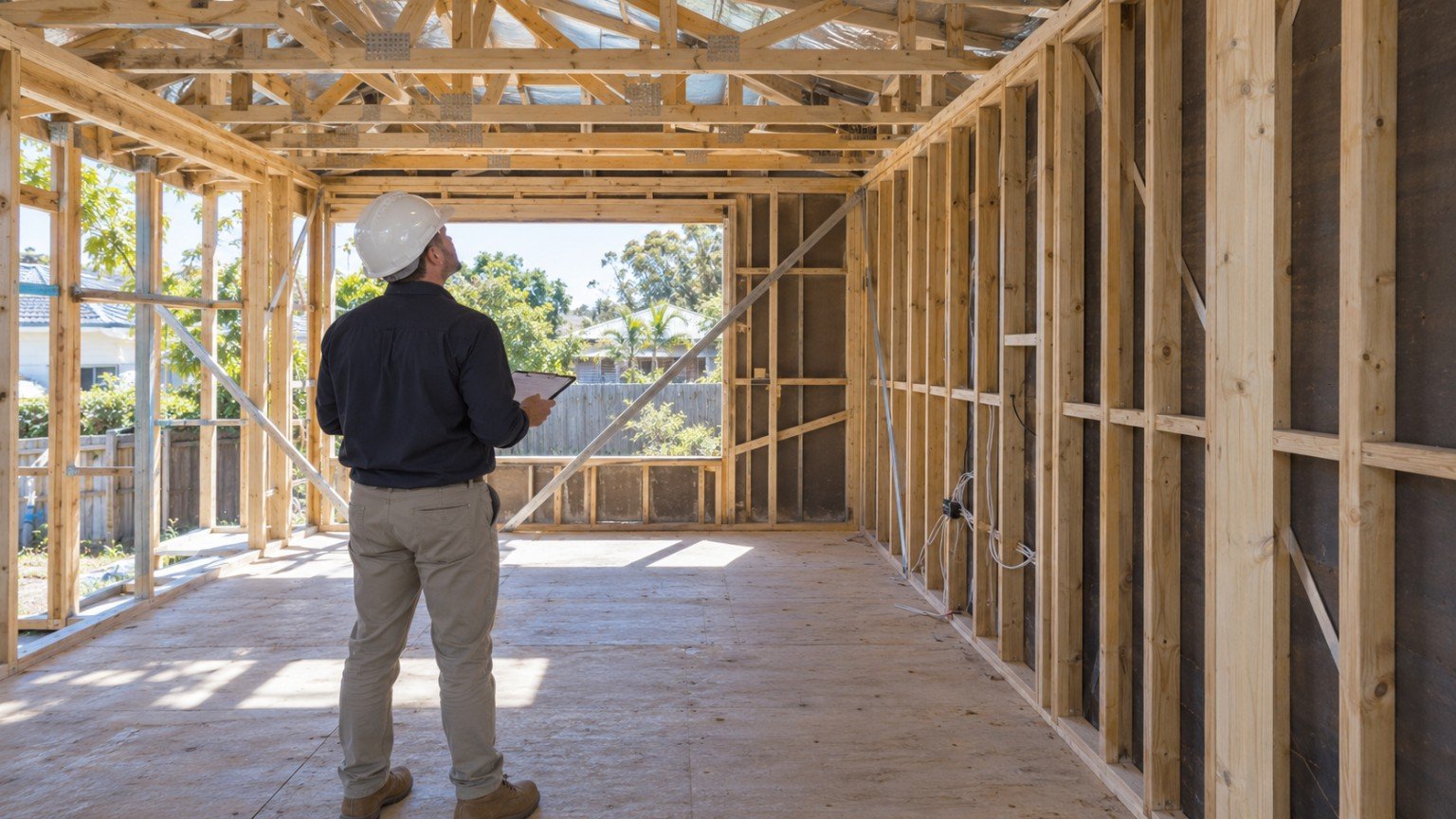
Getting renovation approval is usually treated as the finish line. In practice, it is the start of a second process – inspections during the work, and a final certificate at the end – and skipping that second process is exactly how a renovation that started out properly approved can quietly become an unapproved structure years later.
If you have not yet worked out whether your renovation needs approval in the first place, that earlier question is covered in Do You Need Council Approval for a Renovation in Queensland? This article picks up from the point where approval has already been granted.
Building Certifiers, at a Framework Level
Building approval in Queensland is typically issued and inspected by a building certifier, who may be a private certifier or the local council’s own certification service, depending on the job and the owner’s choice. Which jobs must use which type of certifier, and any comparison of fees, varies by council and by project and is not something this article attempts to state as a general rule. Confirm the correct pathway with your chosen certifier, or with council, at the approval stage.
Mandatory Inspection Stages, Described Generally
Most building work subject to approval requires the certifier to inspect at defined stages during construction – commonly things like footings or slab, frame, and a final stage, though the exact required stages depend on the specific work being carried out. This article does not state a fixed universal list, since it varies by the class and scope of the work. What matters practically is that the owner or builder is responsible for booking these inspections at the right time during construction, not waiting until the very end and hoping everything lines up.
The Final Inspection and Certificate
Once work is complete, a final inspection leads to a final certificate – sometimes referred to as a certificate of classification or occupation certificate depending on the type of work – confirming the work has been completed in accordance with the approval. This is the document that should exist in your records, not just the original approval. It is also the document a future buyer’s due diligence, or your own conveyancer at resale, will look for.
What Happens If a Stage Is Skipped or the Final Certificate Is Never Obtained
Work that was properly approved at the start but never finalised can be treated the same way as unapproved work when it comes to light later. This is precisely how many unapproved-structure problems originate – not from a renovation that skipped approval altogether, but from one that started the process and never closed it out. See Buying a Property With Unapproved Structures in Queensland: What Buyers Should Check for what this looks like from a buyer’s side of the transaction.
Practical Record-Keeping
Keep the original approval, any inspection certificates issued along the way, and the final certificate together, and treat them as important a set of documents as the title itself. These are exactly the records a future sale, an insurance claim, or a subsequent renovation will ask for. A standard building and pest inspection at a future sale will note visible defects, but it is not a substitute for these documents and will not confirm on its own whether work was properly finalised – see Building and Pest Inspections in Queensland: What Buyers Should Check for what that kind of inspection does and does not cover.
If You Are Not Sure Whether a Past Renovation Was Ever Finalised
If you own a property and are not sure whether a previous renovation was ever properly signed off, contact the certifier who issued the original approval if known, or the council, to check the record. The correct next step depends entirely on what was approved and when, so this article does not attempt to resolve that generically – it is genuinely a case-by-case question.
Staying Current With Standards
Building standards and codes are periodically updated, and recent changes are covered in Queensland’s New Housing Code and Modern Homes Standards: What Is Changing in August and September 2026, which is worth reviewing if your renovation is still in progress.
The Practical Close
Ask directly, in writing, whether the defects liability or approval process is still open on your own renovation, and whether any stage or the final certificate is still outstanding. A verbal “it’s fine” is not the same as a documented answer, and it is the documented answer that will matter the next time the property is sold, insured or renovated again.
This article is general research information only and does not constitute building certification, legal or planning advice. Inspection stages, certifier pathways and certification requirements vary by council, certifier and the specific scope of work, and should always be confirmed directly with your building certifier or local council.

Join The Discussion