
 by
by 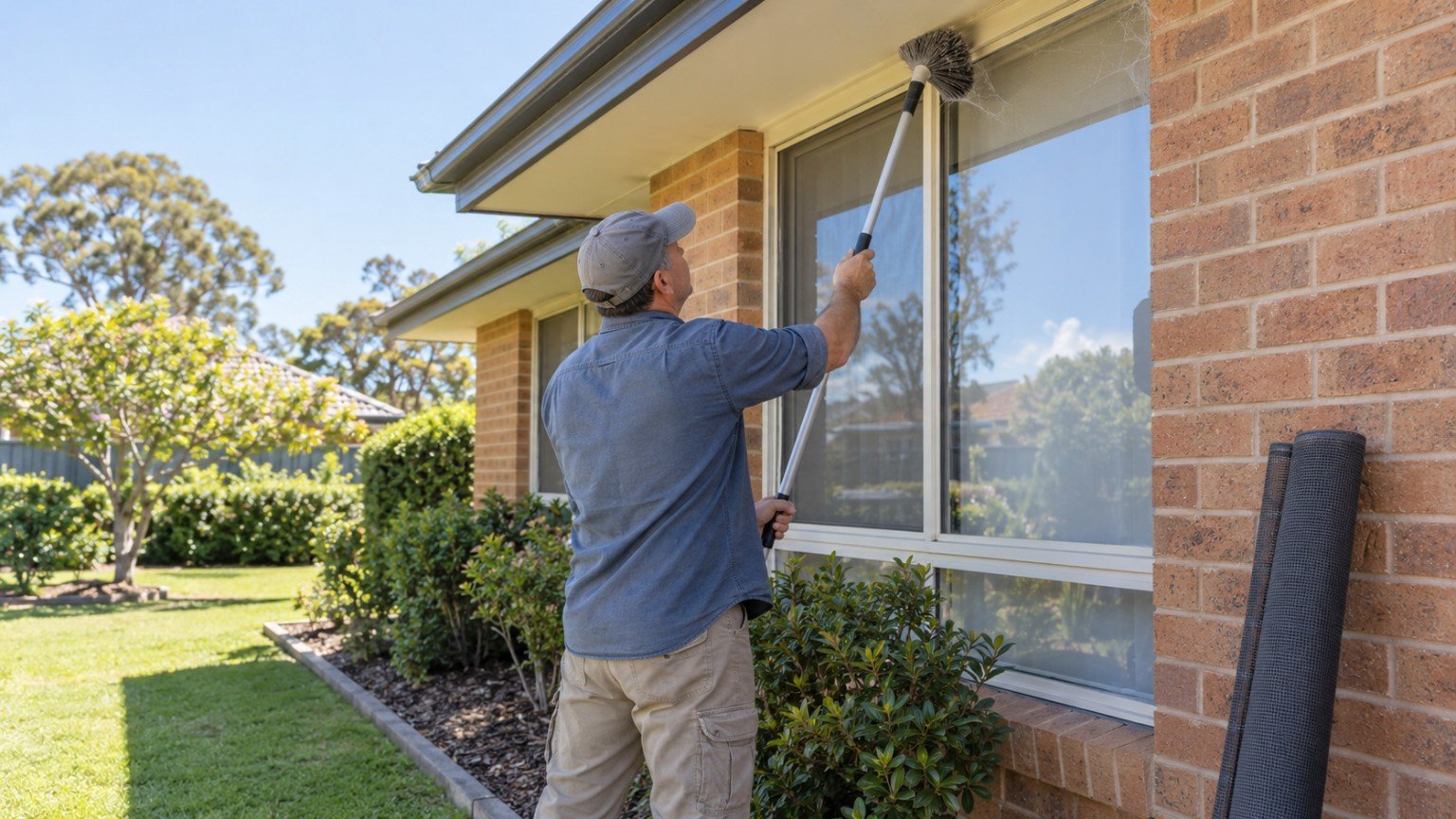
Spring is when most Australian households notice a jump in spider activity, both outside and indoors. Warmer temperatures wake spiders out of their slower winter routine, insect numbers rise as a food source, and spiders start moving to find shelter, mates and easier hunting grounds. A certain amount of spider activity around any home is normal and, for the most part, harmless. The goal isn’t to eliminate spiders entirely, which isn’t realistic outdoors, but to reduce how many find their way inside and to know when a spider is worth taking seriously.
Why spiders show up more in spring
Spiders are more visible in spring for a few straightforward reasons. Insect populations increase with warmer weather and more daylight, which means more food for spiders to hunt. Many species also become more active as they mature and start looking for mates, which means more movement, more web-building, and more spiders wandering into spaces they wouldn’t normally bother with, including garages, window frames, and gaps around doors. None of this means your home has a sudden infestation. It usually just means the season has changed.
Safe, simple ways to spider-proof your home
Seal obvious entry points
Spiders get inside the same way most insects do: through small gaps. Check weatherstripping around doors and windows, gaps under external doors, unscreened vents, and any cracks around pipes or cables entering the house. A simple door sweep or a bit of weatherstripping can make a noticeable difference without any specialist tools or trade work.
Reduce hiding spots close to the house
Spiders like clutter, dark corners, and undisturbed spaces. Stacked firewood, piles of building material, thick garden mulch pushed right up against the walls, and boxes left in garages or under eaves are all attractive shelter. Keeping a clear gap between garden beds and the external walls, and tidying storage areas periodically, removes a lot of the appeal.
Think about outdoor lighting
Bright outdoor lights attract flying insects, and flying insects attract spiders looking for an easy meal. Where practical, switching to warmer, less insect-attracting globes near entry points, or simply angling lights away from doorways, can reduce the number of spiders setting up webs right where people walk in and out.
Knock down webs regularly
A web left undisturbed under eaves, in doorframes or around window corners signals to other spiders that the spot is safe and productive. Regularly clearing webs, especially around entrances, discourages new ones from being rebuilt in the same place. A long-handled broom or a duster on an extension pole is usually enough for anything at a safe, reachable height.
Spiders worth treating with extra caution
Most spiders found around Australian homes are not dangerous and are best left alone or gently relocated outside. A small number of species, including redback spiders, are venomous and can deliver a medically significant bite. Redbacks tend to favour dry, sheltered spots such as under outdoor furniture, in sheds, letterboxes, and garden ornaments, and are recognisable by their glossy black body and the red stripe on the upper abdomen, though colouring can vary.
If you spot a spider you can’t confidently identify, or one in a spot where children or pets are likely to disturb it, the safest approach is simply to avoid the area rather than attempt to catch or kill it yourself. Wearing gloves when reaching into stored boxes, under outdoor furniture, or into garden sheds during spring is a sensible habit regardless of what you find.
When to call a pest professional
Home-level prevention deals with most everyday spider activity, but there are times it makes sense to bring in a licensed pest technician: if you’re finding venomous species regularly rather than the occasional one, if a property has a history of redback or other higher-risk spider activity, or if you simply want a professional treatment ahead of a season with young children or visitors in the house. A pest professional can also advise on safe, appropriately labelled treatments for the specific species involved, which is a better approach than reaching for a random product and hoping it works.
A seasonal habit, not a one-off job
Keeping spiders out of the house isn’t about a single big clean-up. It’s a handful of small, repeatable habits, sealing gaps, clearing clutter, managing lighting, and knocking down webs, that add up over the season. Treated as part of a normal spring routine rather than an emergency response, it’s a manageable job for most households.
Join The Discussion