
 by
by 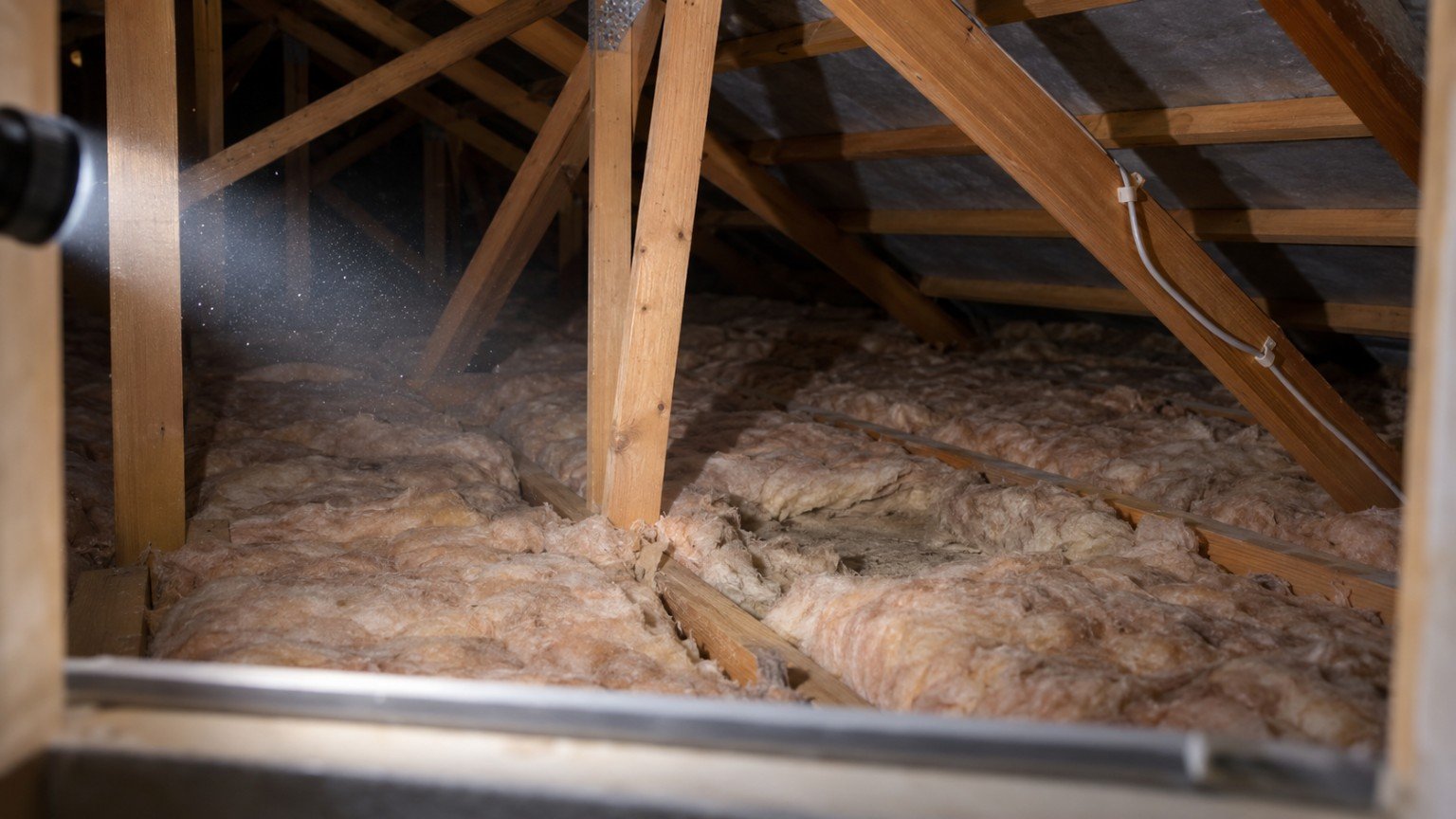
Scratching noises in the ceiling at night, a strange smell in the roof cavity, or gnaw marks on stored items in the subfloor are all common reasons Australian homeowners start suspecting rats or mice have moved in. Rodents are one of the most common pest issues in homes with roof cavities, subfloors or nearby vegetation, and catching the signs early makes the problem far easier and cheaper to resolve.
Common signs rodents have moved in
Rodents are mostly active at night and tend to stay out of sight, so it is usually the evidence they leave behind, rather than the animals themselves, that gives them away.
- Noises overhead or underfoot. Scratching, scurrying or gnawing sounds in the roof or subfloor, especially in the evening and overnight, are one of the most reliable early signs.
- Droppings. Small, dark, rice-grain-sized droppings near roof access points, in the subfloor, along skirting boards or inside cupboards.
- Gnaw marks. Chewed cardboard, timber, electrical cable insulation, or the corners of stored boxes.
- Grease marks and smudges. Dark, greasy rub marks along beams, pipes or entry points, left by rodents repeatedly using the same route.
- A persistent smell. A stale, musky odour in the roof space or subfloor can indicate an active nest or, in some cases, a dead rodent.
- Nesting material. Shredded insulation, fabric, paper or leaves gathered into a nest-like pile in a roof or subfloor cavity.
- Pet behaviour. Cats and dogs that suddenly become fixated on a particular wall, cupboard or ceiling area are sometimes reacting to movement or sound you cannot hear.
What you can safely check yourself
Before calling in a professional, there are a few simple checks most homeowners can do safely from ground level or with a torch, without climbing into tight roof or subfloor spaces:
- Walk the outside of the house at dusk with a torch and look for gaps around eaves, vents, pipe penetrations and where the roofline meets the walls, since these are common entry points.
- Check that roof vents, weep holes and subfloor vents have intact mesh guards, since damaged or missing mesh is a common way rodents get in.
- Look in accessible cupboards, garages and storage areas for droppings or gnawed packaging, particularly around pet food, pantry items or stored boxes.
- Trim back any tree branches or shrubs that touch or overhang the roofline, since overhanging vegetation is one of the most common ways rodents reach a roof cavity.
- Keep an eye on food storage: rodents are drawn to easy food sources, so pet food, birdseed and pantry items should be kept in sealed containers.
If you can see the entry point clearly from outside or from an accessible manhole without climbing into the roof space itself, sealing an obvious small gap with a suitable material can be a reasonable first step. Beyond that, roof cavities and subfloors are confined, often poorly lit spaces that can involve unstable surfaces, exposed insulation, wiring and, in older homes, materials that should not be disturbed without professional assessment.
When to stop and call a professional
It is time to call a licensed pest control professional rather than continuing on your own when:
- You need to physically enter the roof cavity or subfloor to inspect further, since this can involve safety risks around structural stability, wiring and insulation that are best assessed by someone experienced in doing it safely.
- The signs suggest an established colony rather than a single stray rodent (multiple droppings across several areas, ongoing noise over more than a night or two, or a persistent smell).
- You are considering using bait, traps or any pest control product, particularly in a roof cavity where a rodent could die in an inaccessible spot, or where children or pets could come into contact with bait. A licensed pest technician can place and monitor treatments safely and in a way that does not create a secondary problem.
- You have found gnawed electrical cabling, which can be a fire risk and generally warrants a proper inspection by a pest professional and, if cabling is damaged, an electrician.
A pest control professional can properly identify whether you are dealing with rats or mice (which affects the best treatment approach), locate entry points you might miss from ground level, and treat the issue in a way that reduces the risk of rodents dying in wall or roof cavities, which can cause a lingering smell if handled incorrectly.
Preventing rodents from coming back
Once an active issue has been dealt with, ongoing prevention is mostly about removing what attracts rodents in the first place: sealing obvious gaps, keeping vegetation clear of the roofline, storing food (including pet food) in sealed containers, keeping garden areas free of built-up rubbish or woodpiles close to the house, and doing a seasonal check of vents and eaves, particularly heading into the cooler months when rodents are more likely to seek shelter indoors. A quick look around the outside of the house every few months is a small habit that catches most problems long before they become an established infestation.
Join The Discussion