
 by
by 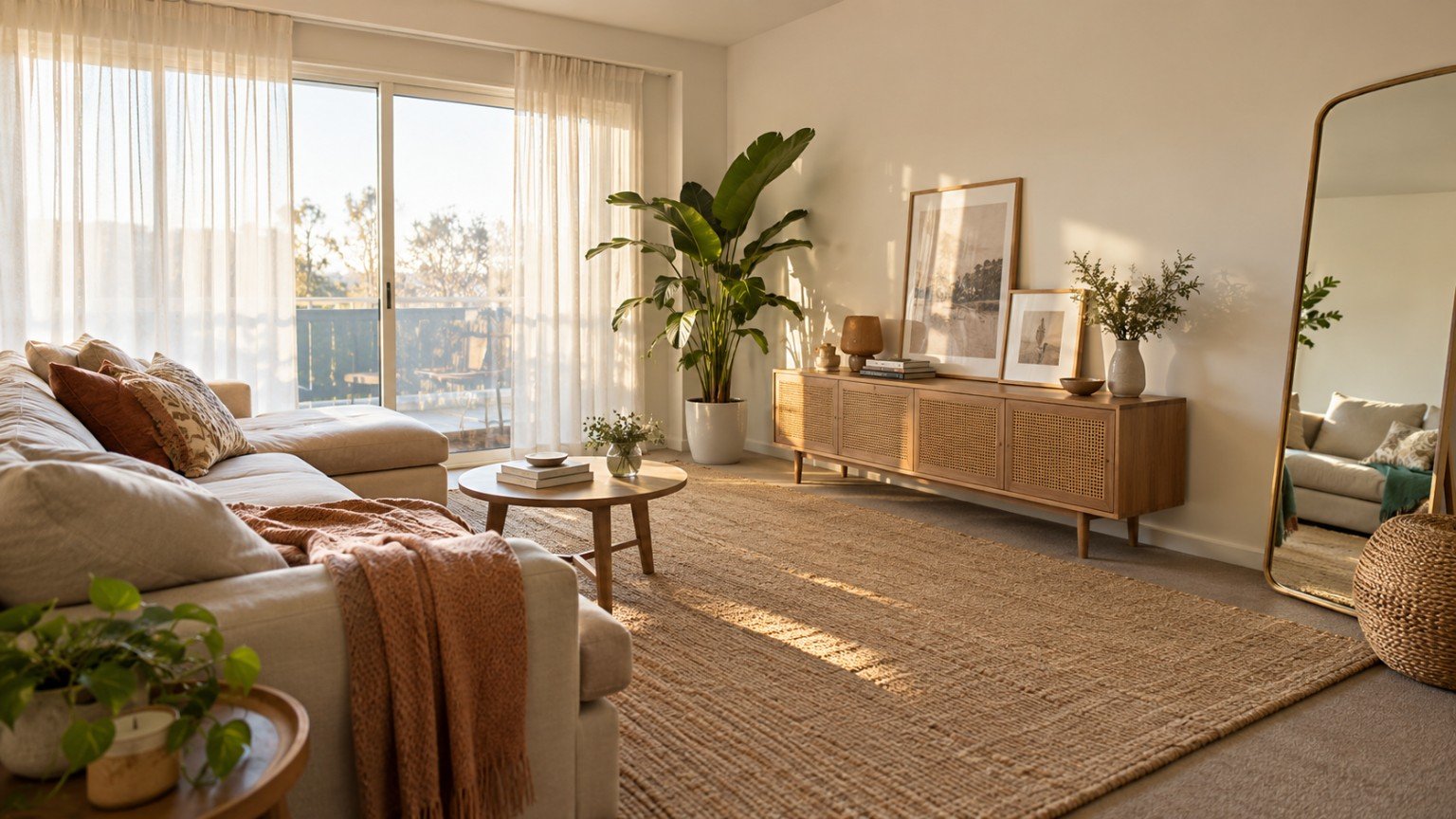
Renting does not have to mean living in a space that never quite feels like yours. The trick is knowing which changes are genuinely low-risk for your bond and which ones can leave marks, damage or alterations that a property manager will flag at the final inspection. With a bit of planning, it is entirely possible to make a rental feel warm, personal and comfortable while leaving the property in the same condition you found it.
Check your lease and condition report first
Before changing anything, it is worth re-reading your lease agreement and the entry condition report you signed (or should have received) at the start of the tenancy. Some leases include specific clauses about picture hooks, painting or fixtures, and rules can vary by state and by individual landlord, so what one property manager is happy to approve, another might not be. If you are ever unsure whether a change needs written permission, a quick message to your property manager before you start is far less stressful than a dispute at the final inspection. If you are still in the process of signing a lease, our guide on what to check before signing a lease covers what to look for upfront. Keep a copy of any approval you receive in writing.
Low-risk changes that make a big difference
Soft furnishings and textiles
Rugs, cushions, throws, curtains and bedding are some of the fastest ways to warm up a rental, and they carry essentially zero bond risk because nothing is attached to the walls or floors. A rug alone can change the entire feel of a room, especially over plain tile or carpet that came with the property.
Removable wall solutions
Command-style adhesive hooks and strips, designed to be removed cleanly without damaging paint, are widely used in rentals for hanging art, mirrors and light decor. Always follow the manufacturer’s removal instructions exactly (usually a slow, straight-down pull rather than pulling outward), and test on a small, less visible section of wall first if you are unsure how the paint will react. Avoid these on textured, freshly painted or unusual wall finishes, where even a “removable” product can occasionally lift paint.
Furniture layout and lighting
Rearranging existing furniture, adding your own furniture pieces, floor lamps or a large mirror to open up a small room, and swapping out light shades (keeping the original ones stored safely to reinstall before you leave) are all reversible changes that make a rental feel considerably more like your own space.
Plants and greenery
Indoor plants and, where you have access to one, a few pots on a balcony or courtyard are an easy way to soften a rental. Just take care with pot placement on flooring that could be affected by water marks, and use saucers underneath.
Changes to think carefully about, or get written approval for first
- Painting walls. Even a small feature wall can require the property to be repainted back to its original colour at your cost when you move out, unless your property manager has agreed otherwise in writing. If painting matters to you, ask first and get any agreement in writing, including who covers repainting at the end of the lease.
- Drilling or screwing into walls. Traditional picture hooks and shelving brackets leave holes that typically need to be filled and touched up before you vacate. If you want to drill, ask your property manager whether this is acceptable and who is responsible for patching the holes afterward.
- Changing fixtures, like door handles, tapware or light fittings. These are considered part of the property, and altering or replacing them without approval can be treated as unauthorised alteration.
- Adhesive products on floors. Peel-and-stick tiles, decorative floor coverings or heavy-duty tape can leave a residue or damage certain flooring types, particularly floating floorboards and vinyl. If you want to try one, check with your property manager and test a small, hidden section first.
Protecting your bond as you go
A few simple habits make the final inspection far less stressful:
- Take dated photos of any change you make, and of the original state before you made it, so you have a clear record either way.
- Keep any written approvals from your property manager in one place, such as a dedicated email folder.
- Before moving out, walk through the property against your original entry condition report and reverse anything that was meant to be temporary, including removing hooks, filling small holes if agreed, and reinstalling original light shades or fittings you stored.
- If you are unsure whether something counts as damage or fair wear and tear, most state tenancy authorities publish clear guidance on the difference, which is worth a quick check if a dispute ever comes up.
Making a rental feel like home is mostly about choosing changes that live on top of the property rather than into it. With a little care about what you attach, drill or paint, and a habit of asking first when you are not sure, you can end up with a space that genuinely feels like yours, and still walk away with your full bond at the end of the lease.
Join The Discussion